
Compare guides
Compare the options for gutter guard.
Micro-mesh vs Reverse-curve
The two options buyers compare most in this category solve the same problem at different price points and with different failure modes. The honest comparison is cost per year of service, not sticker price.
| Question | Micro-mesh | Reverse-curve |
|---|---|---|
| Installed cost | $1,800–$4,500 | $2,000–$5,000 |
| Expected life | See the method guide | See the method guide |
| Maintenance | Lower | Higher or lower by exposure |
| Best for | Most residential jobs | Where the first option does not fit |
What the comparison hides
Two traps. First, comparing a premium material installed without prep against a mid-range material installed properly — the cheap install fails first. Second, comparing a five-year cost for one option with an installed price for the other. Normalise both to cost per year before deciding.
The cost hub has the line items, the methods hub explains the failure modes, and the contractor hub covers how to read the quote.
Is the more expensive option worth it?
When the exposure is hard on the cheaper material, or when re-doing the job would cost more than the difference. Otherwise no.
Can the two be combined?
Sometimes — a premium surface over a repaired base is a common compromise. Ask what warranty covers the combination.
All compare guides
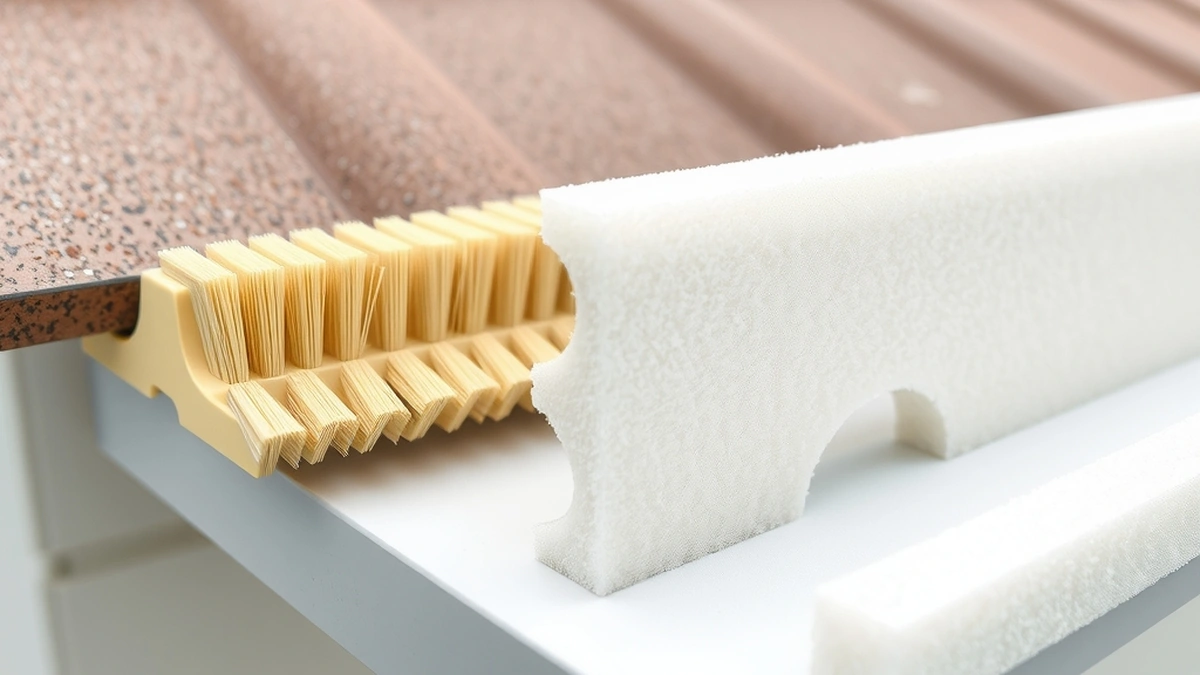
Brush insert vs foam insert: same price, different fit
Both cost $200 to $800, or $1 to $4 per foot at 200 feet. Brush inserts suit wide troughs and coarse debris; foam suits narrow runs and short-term cover.
Read the guide →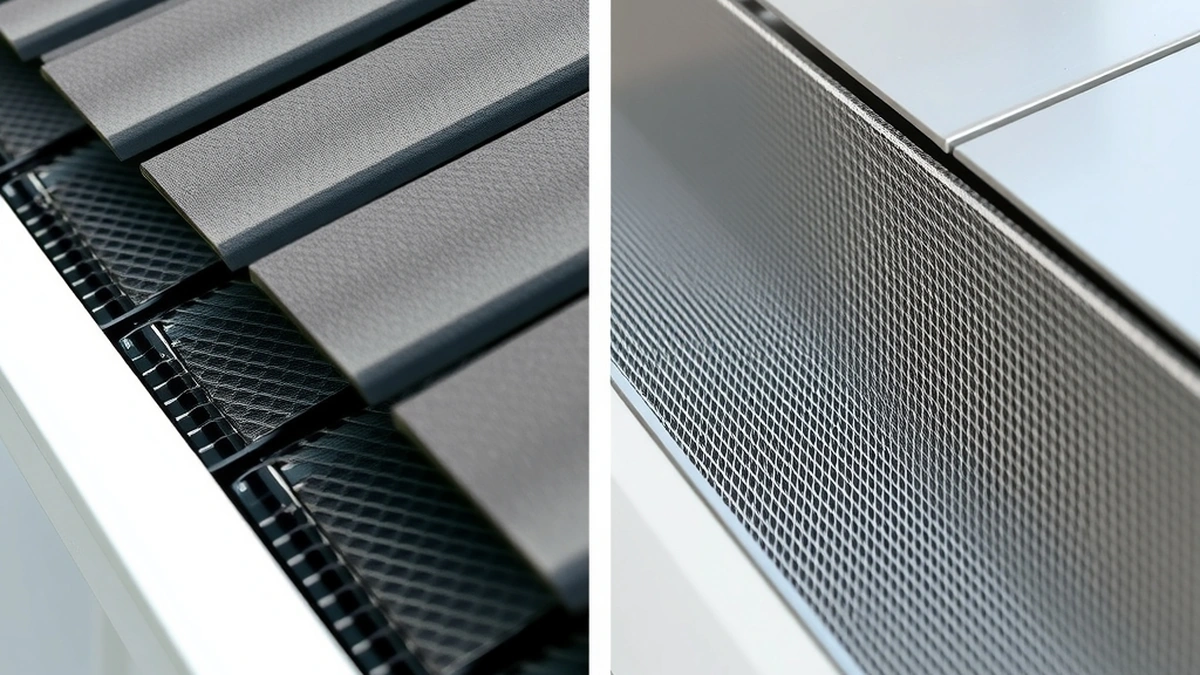
Brush insert vs Micro-mesh
Brush inserts cost $200 to $800 and micro-mesh $1,800 to $4,500. How the two compare on debris type, flow, maintenance and payback.
Read the guide →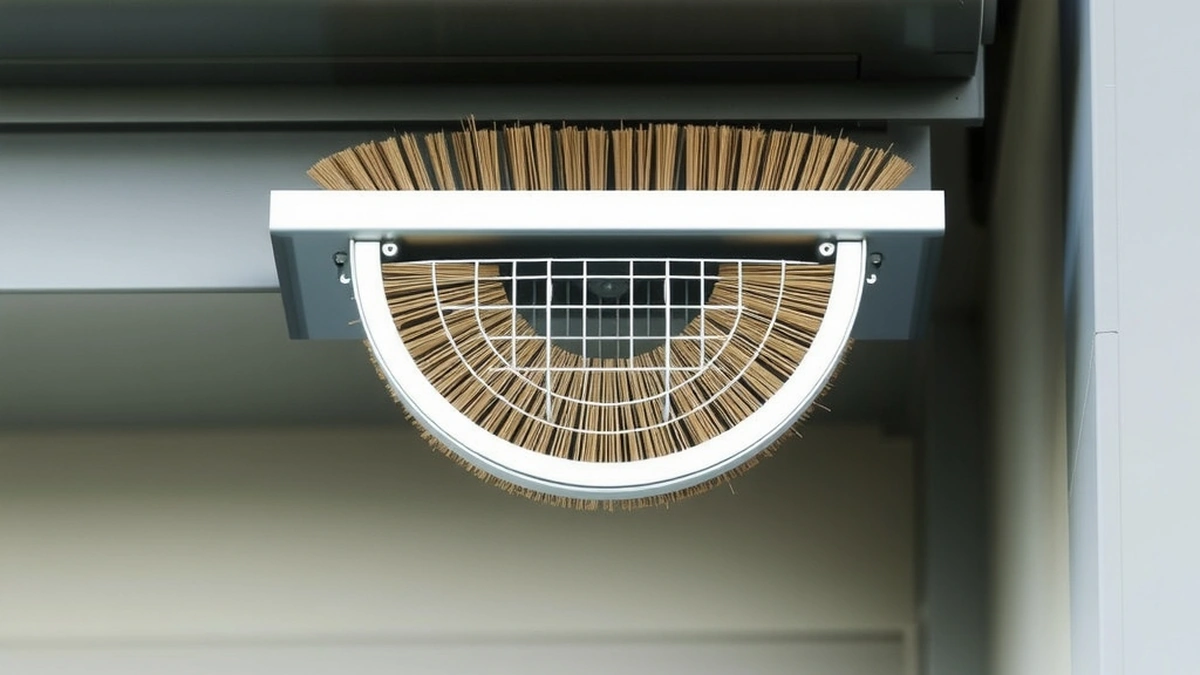
Brush insert vs screen: barrier or bristles
A brush insert costs $200 to $800; a screen costs $300 to $900. At nearly the same price one fills the trough and one covers it. Which handles your debris.
Read the guide →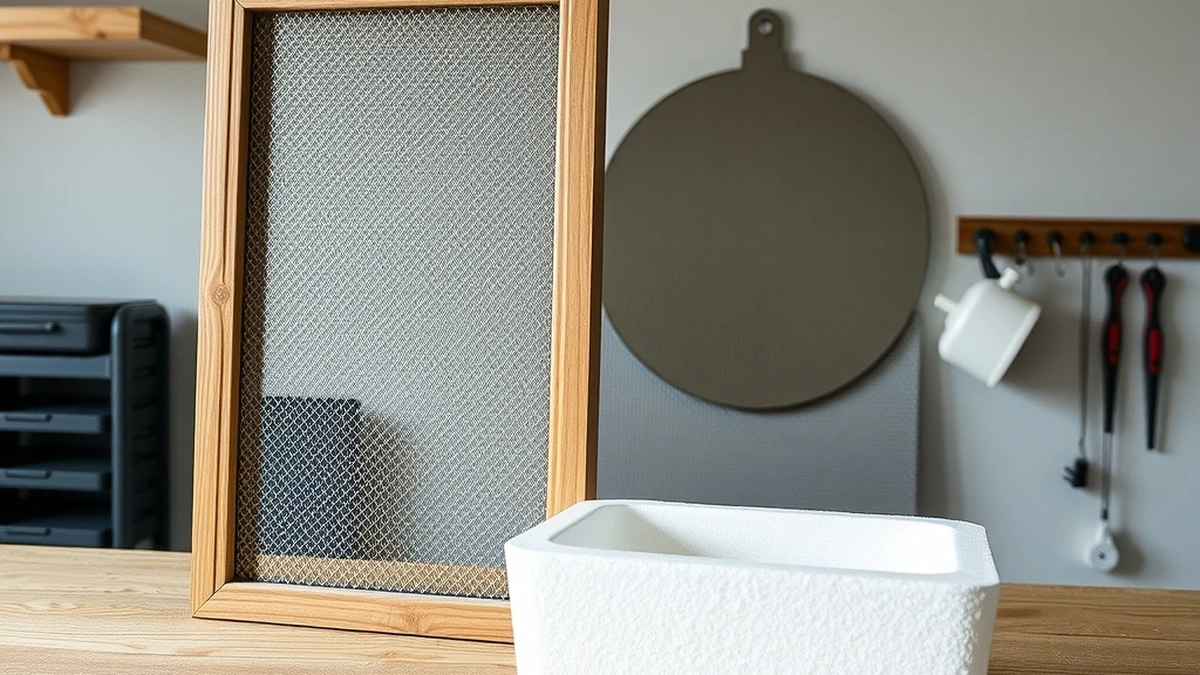
Foam insert vs micro-mesh: which is worth the money
Foam inserts cost $200 to $800; micro-mesh costs $1,800 to $4,500. Compare per-foot price, debris performance, lifespan, and payback before you buy.
Read the guide →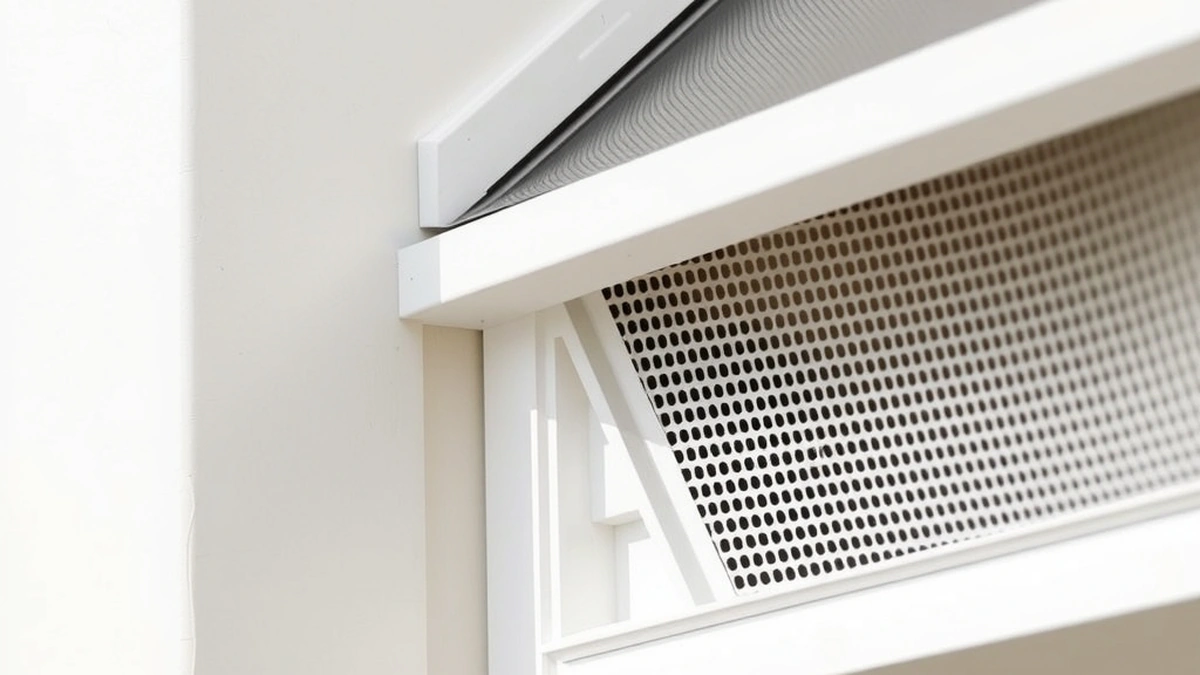
Foam insert vs screen: block the trough or cover it
Both cost under $900: foam at $200 to $800, screen at $300 to $900. One fills the gutter, one covers it. Compare flow, lifespan, moisture, and debris fit.
Read the guide →
Gutter Guard vs gutter cleaning
Gutter Guard vs gutter cleaning: practical numbers, costs, and trade-offs, written independently.
Read the guide →
Mesh Gutter Guards: What They Keep Out
Mesh gutter guards block leaves and debris while letting water through. See costs, coverage, and what mesh stops versus screens and inserts.
Read the guide →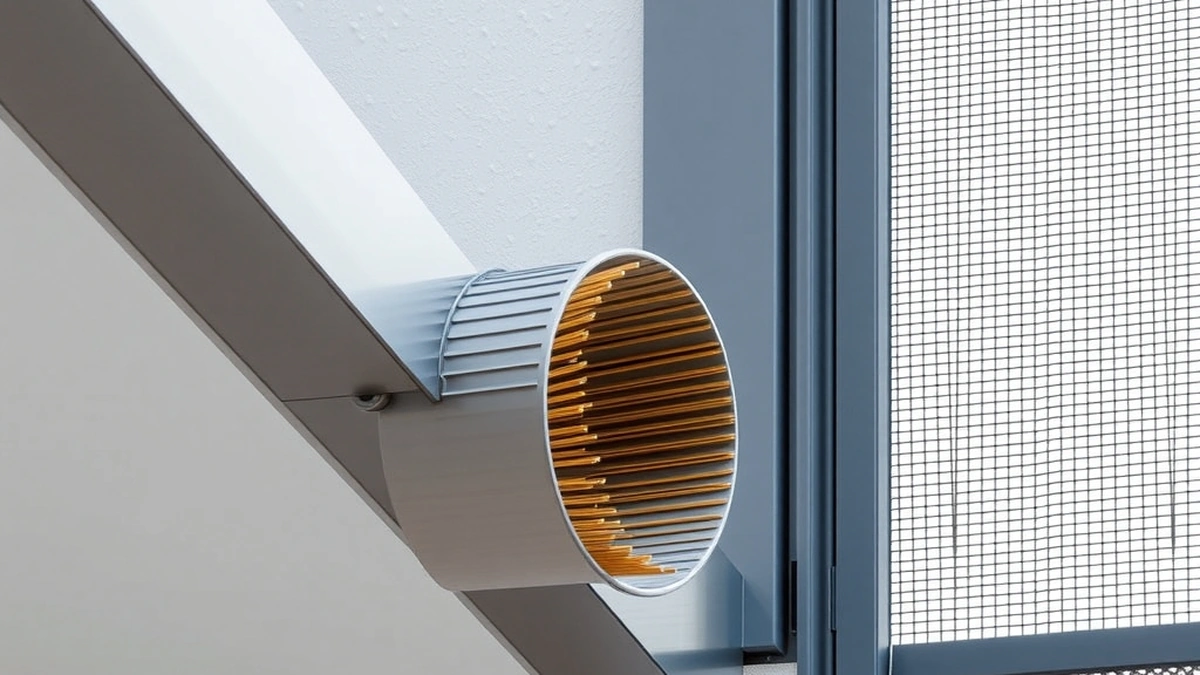
Micro-mesh vs brush insert: 10x the price, or 10x the work
Brush inserts cost $200 to $800 and need clearing often; micro-mesh costs $1,800 to $4,500 and lasts a decade. Compare cost per year, not sticker price.
Read the guide →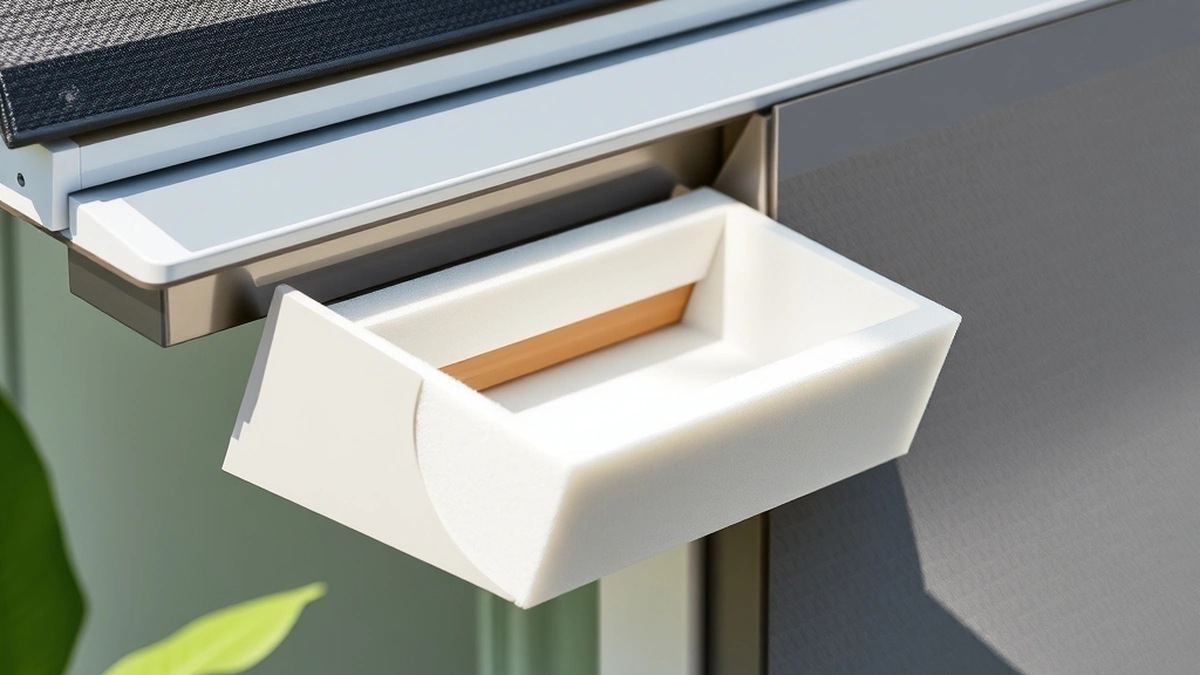
Micro-mesh vs foam insert: filtration or displacement
Foam inserts cost $200 to $800 and displace debris; micro-mesh costs $1,800 to $4,500 and filters it. Compare lifespan, moisture, and cost per year.
Read the guide →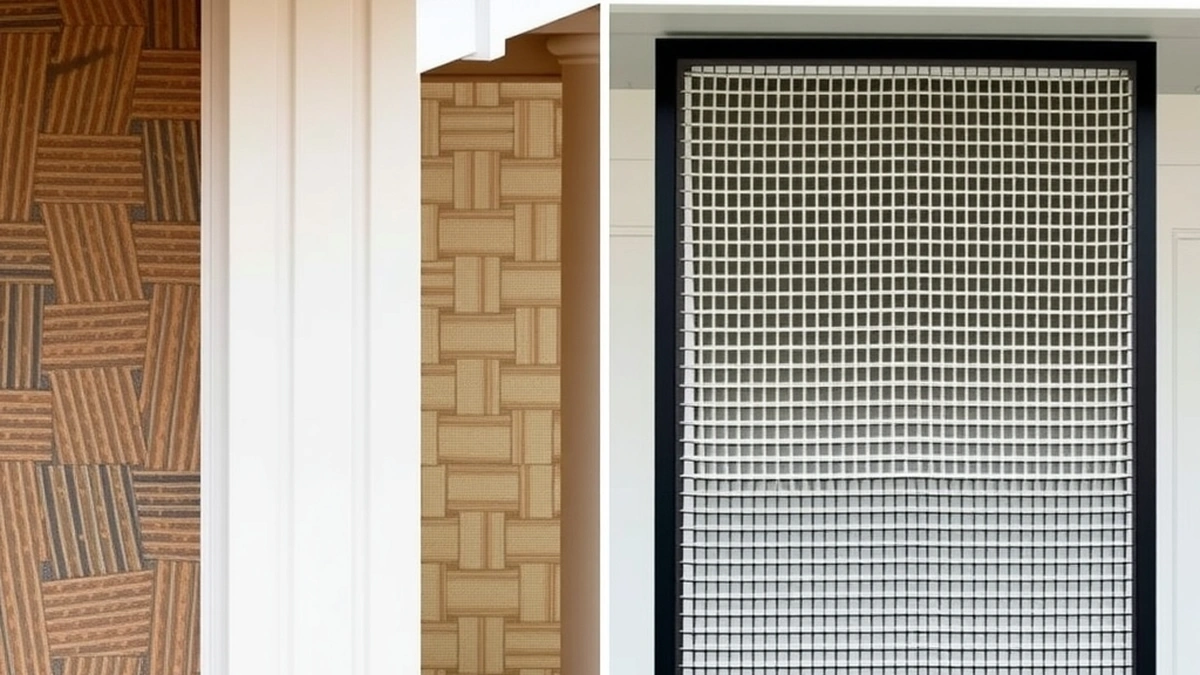
Micro-mesh vs Micro-mesh
Two products both called micro-mesh can differ in mesh alloy, aperture, frame, and fastening. How to compare the versions behind the same label and price.
Read the guide →
Micro-mesh vs reverse-curve: which system suits your roof
Micro-mesh costs $1,800 to $4,500 and filters fine debris; reverse-curve costs $2,000 to $5,000 and diverts water over a curved nose. Where each one fails.
Read the guide →
Micro-mesh vs screen: the aperture decides the job
Screen guards cost $1.50 to $4.50 per foot and hold leaves; micro-mesh costs $9 to $22.50 and holds needles. Compare aperture, flow, lifespan, and payback.
Read the guide →
Rain Gutter Cover vs Guard: What's the Difference
Compare rain gutter covers and gutter guards by cost, installation, and performance for US homes.
Read the guide →
Reverse-curve vs Brush insert
Reverse-curve vs Brush insert: practical numbers, costs, and trade-offs, written independently.
Read the guide →
Reverse-curve vs foam insert: diversion or block
Reverse-curve costs $2,000 to $5,000 and diverts water around a curved nose. Foam costs $200 to $800 and fills the trough. Compare life, pitch, and snow.
Read the guide →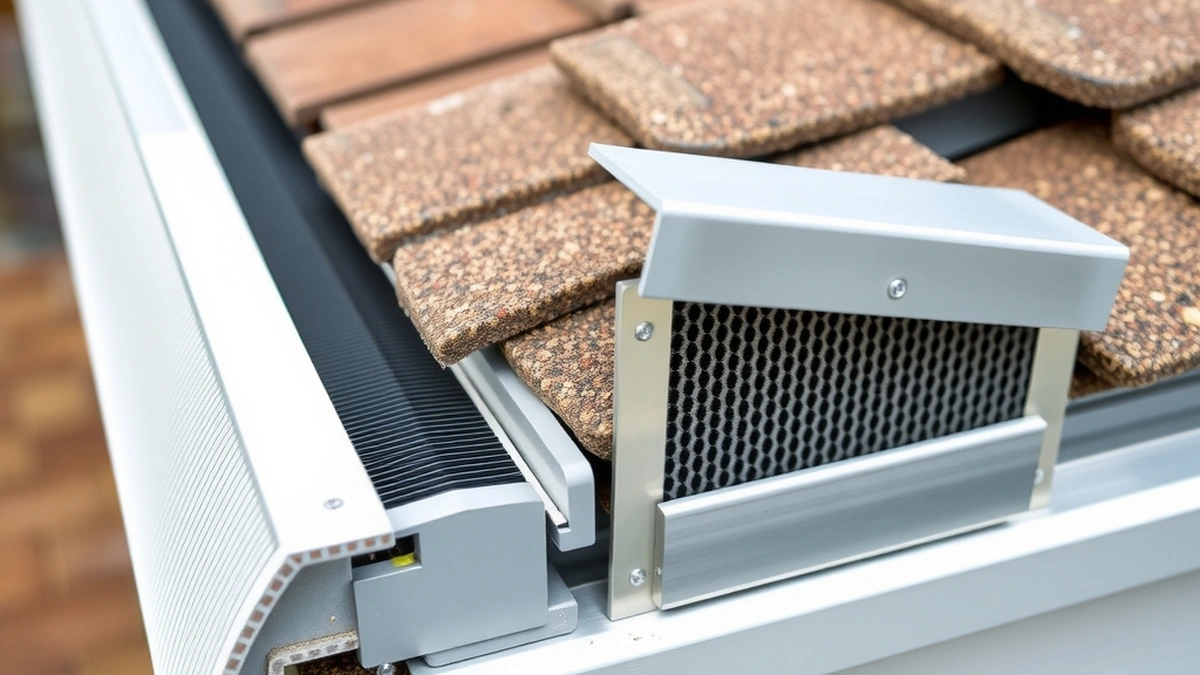
Reverse-curve vs Micro-mesh
How reverse-curve and micro-mesh guards differ in mechanism, debris handling and cost, with installed prices of $2,000 to $5,000 and $1,800 to $4,500.
Read the guide →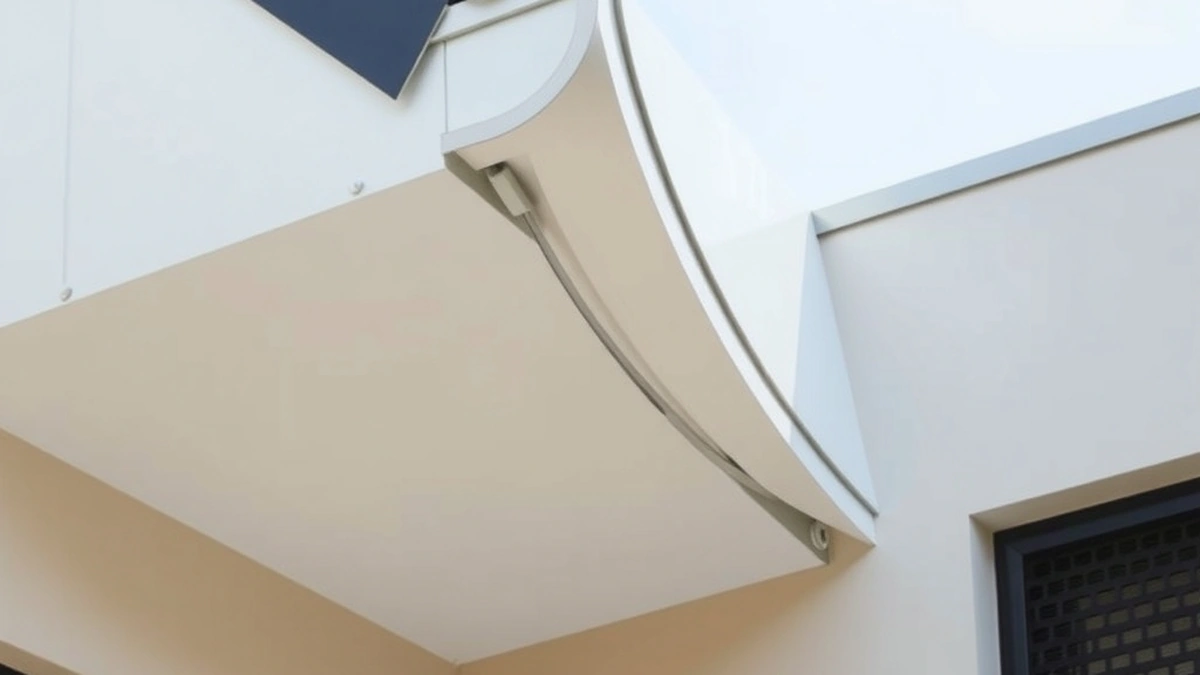
Reverse-curve vs screen: is the premium cover worth it
Reverse-curve costs $2,000 to $5,000 and needs a steep roof; a screen costs $300 to $900 and fits anything. Compare water handling, pitch limits, and life.
Read the guide →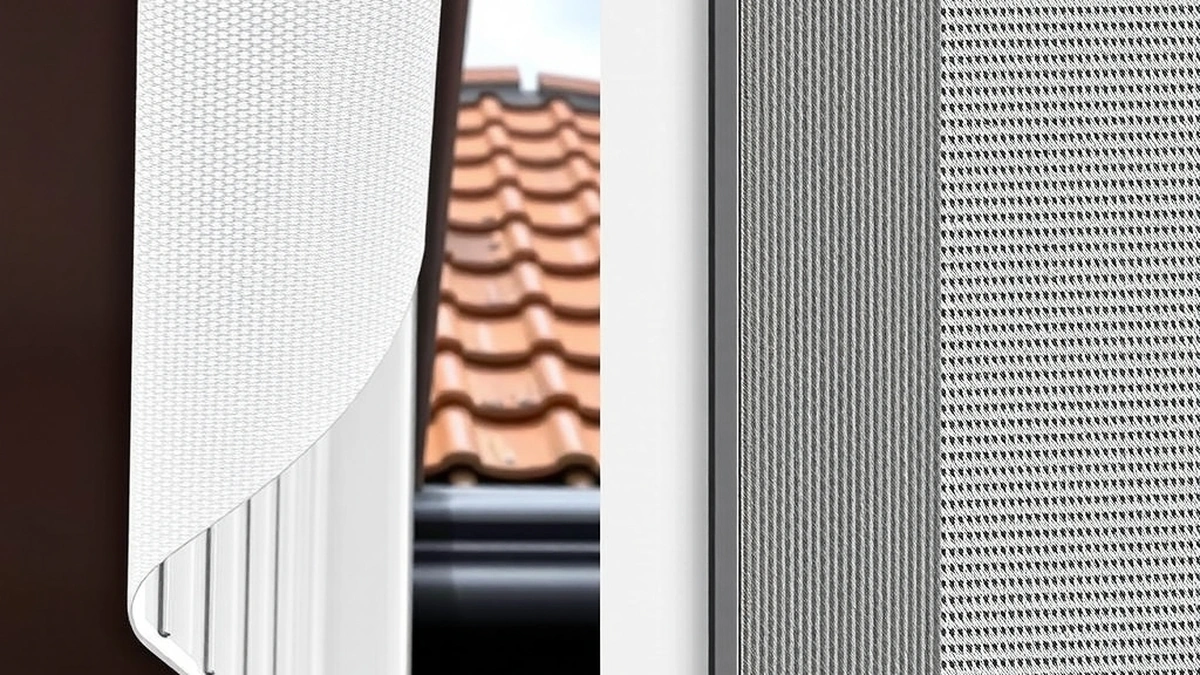
Screen vs micro-mesh: price, aperture, and debris type
Screen guards cost $1.50 to $4.50 per foot and stop leaves; micro-mesh costs $9 to $22.50 and stops needles. Compare aperture, lifespan, and payback.
Read the guide →