Mesh Gutter Guards: What They Keep Out
Mesh gutter guards block leaves and debris while letting water through. See costs, coverage, and what mesh stops versus screens and inserts.
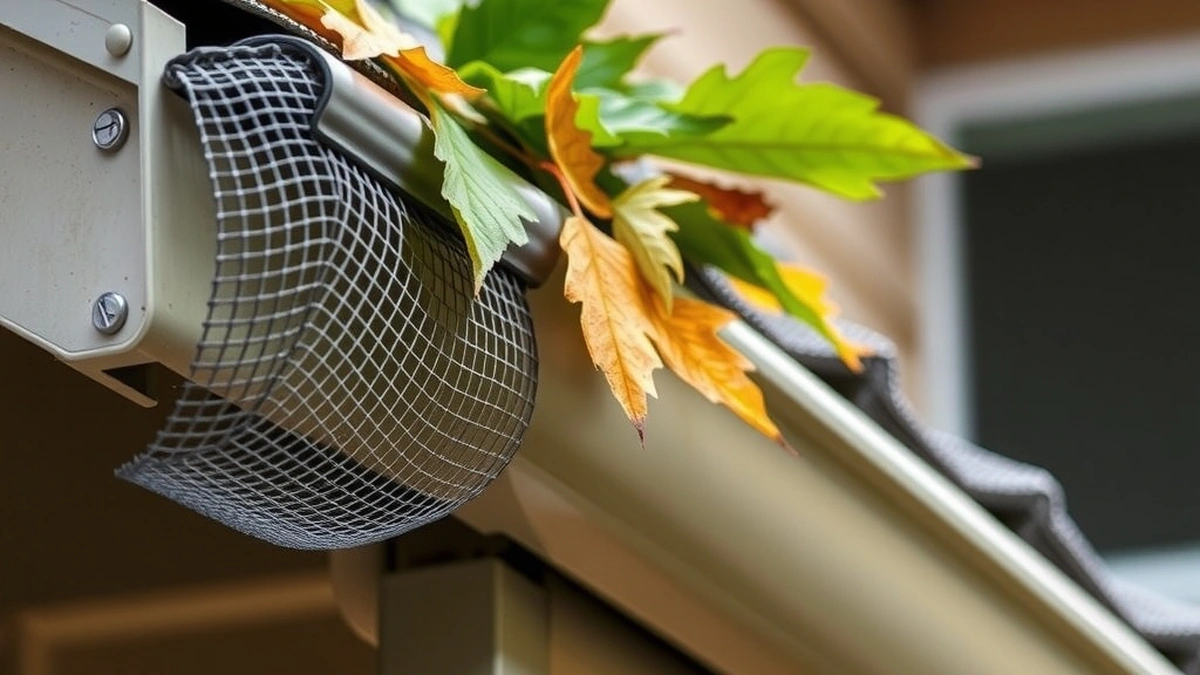
Mesh gutter guards keep out leaves, pine needles, and most roof grit while allowing rainwater to enter the gutter, typically costing $1,800–$4,500 installed.
- Typical installed cost
- $1,800–$4,500
- Best at blocking
- Leaves, pine needles, small debris
- DIY alternative cost
- $300–$900
- Professional cleaning baseline
- $150–$400
Some links on this page are affiliate links.If you buy through them we may earn a commission at no extra cost to you. We do not accept payment for rankings. Read the full disclosure.
Mesh gutter guards keep out leaves, pine needles, and most roof grit while allowing rainwater to enter the gutter. They sit on top of or inside the gutter as a permeable barrier, so water passes through while larger debris stays on the surface. For many homeowners, the trade-off is between the upfront cost of the guard and the recurring cost of professional gutter cleaning.
How Mesh Gutter Guards Work
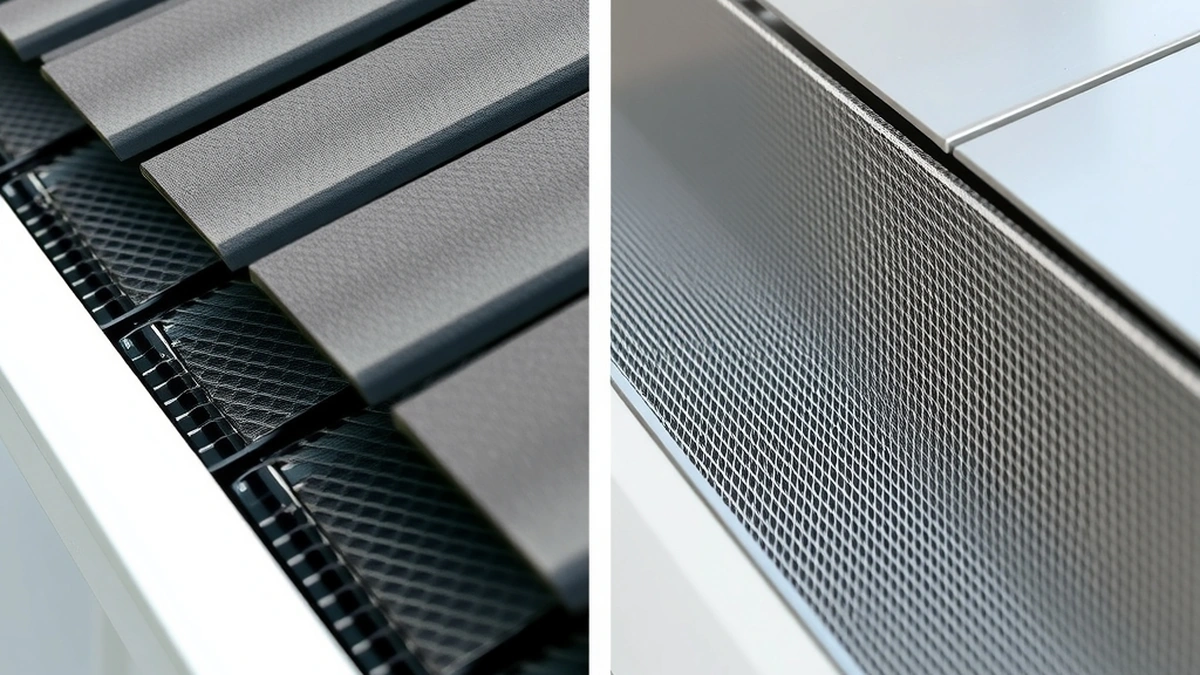
Mesh gutter guards use a sheet of perforated or woven material stretched across the gutter opening. The holes are sized to let water through while blocking solid debris. Micro-mesh versions use finer openings than standard mesh, which means they can stop smaller particles such as pine needles and roof grit.
Water lands on the mesh, drains through the openings, and enters the gutter. Debris that lands on top is meant to blow off or dry out, though some material can collect on the surface and block flow until it is removed.
What Mesh Gutter Guards Keep Out
Mesh gutter guards are designed to stop the following:
- Leaves from deciduous trees
- Pine needles (especially with micro-mesh)
- Twigs and small branches
- Roof grit and shingle granules
- Insects and small pests attempting to nest in the gutter
They do not keep out everything. Very fine sediment, pollen, and some roof grit can pass through smaller openings or accumulate along the mesh surface. Heavy debris loads can also sit on top and block water until the mesh is cleared.
Cost Comparison: Mesh Guards vs. Other Types
Cost per linear foot and per job matters more than marketing claims. The figures below are installed estimates for an average single-story home and should be treated as estimates, not quotes.
| Guard Type | Typical Installed Cost | Notes |
|---|---|---|
| Micro-mesh guard | $1,800–$4,500 | Finer mesh, professional installation common |
| Reverse-curve guard | $2,000–$5,000 | Surface-tension design, often dealer-installed |
| Brush or foam insert | $200–$800 | DIY-friendly, shorter lifespan |
| Screen guard DIY | $300–$900 | Coarser mesh, homeowner installation |
| LeafFilter-style dealer system | $3,000–$8,000 | Branded dealer system with warranty |
For comparison, a standard professional gutter cleaning typically costs $150–$400 per visit. If a homeowner pays $300 per cleaning twice per year, that is $600 annually. Over five years, that is $3,000 in cleaning costs alone, which overlaps with the installed cost range of many mesh guard systems.
Sample Arithmetic
Assume a home has 150 linear feet of gutters.
- Micro-mesh installed at $1,800–$4,500 equals roughly $12–$30 per linear foot.
- Screen guard DIY at $300–$900 equals roughly $2–$6 per linear foot.
- Two professional cleanings per year at $150–$400 each equals $300–$800 per year.
A mesh guard may reduce cleaning frequency, but it rarely eliminates maintenance entirely. Homeowners should still expect periodic inspection and clearing of surface debris.
Mesh vs. Screens and Inserts
Mesh guards sit between coarse screens and fully enclosed dealer systems. Standard screens use larger openings and are often sold as DIY products in the $300–$900 range. They stop large leaves well but can let pine needles and smaller debris through.
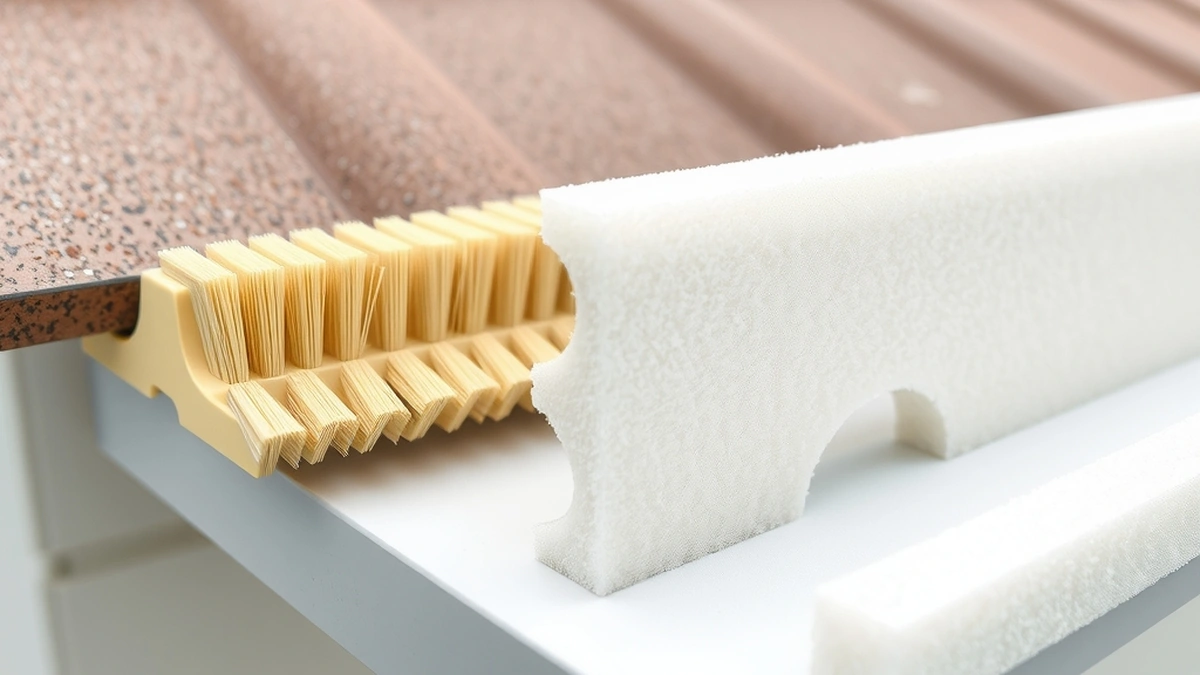
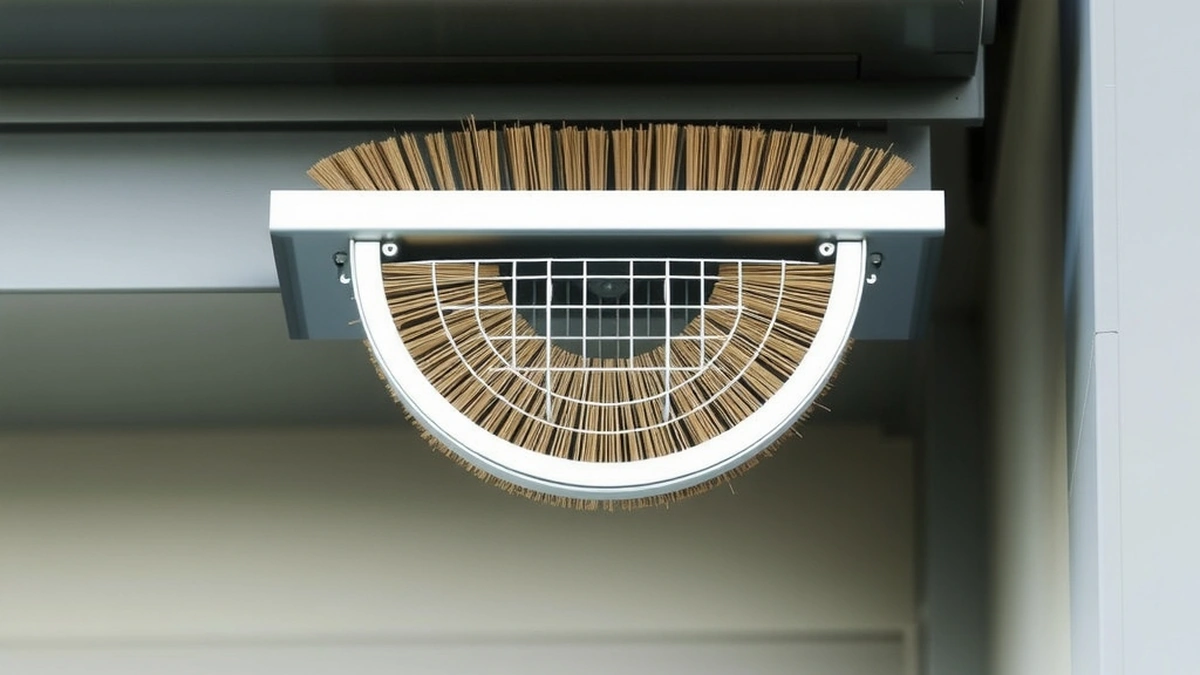
Brush and foam inserts sit inside the gutter and cost $200–$800. They block debris by filling the gutter volume, but they can hold moisture and may need replacement more often than mesh systems.
Reverse-curve guards use a solid cover that directs water around an edge into the gutter. They cost $2,000–$5,000 installed and can handle heavy debris loads, but they are more visible from the ground and sometimes struggle in heavy rain if not installed at the correct pitch.
Dealer-branded systems such as LeafFilter-style products cost $3,000–$8,000 installed. These often include micro-mesh technology but carry a premium for the dealer network, warranty, and installation service.
Installation and Maintenance Reality
Mesh gutter guards are not a one-time fix. Even micro-mesh systems require inspection at least once or twice per year. Debris that sits on top of the mesh can dam water and cause overflow during heavy rain. Fine material that passes through can collect in the gutter bottom and may need flushing.
Safety matters when working on gutters. The Occupational Safety and Health Administration provides guidance on fall protection and ladder safety, which applies to anyone inspecting or cleaning gutters. The National Association of Certified Home Inspectors also publishes resources on roof drainage and gutter condition that homeowners can use when evaluating whether a guard system is performing.
Homeowners should check that the mesh is secured tightly, that fasteners are not pulling loose, and that water is entering the gutter during a rainstorm rather than running over the edge. Repairs may involve re-securing sections or replacing damaged mesh. More information on upkeep is available in our gutter guard maintenance guide.
Where Mesh Fits in a Drainage Plan
Mesh gutter guards are one part of roof water management. Gutters and downspouts must still be sized correctly and sloped toward outlets. Guards do not fix poor pitch, undersized downspouts, or damaged fascia. If water is overflowing because of a drainage design problem, adding a mesh guard will not solve it.
For homes with heavy tree cover, micro-mesh can reduce the frequency of clogs compared with no protection or coarse screens. For homes with few trees, the cost of a $1,800–$4,500 installed system may not justify the benefit compared with occasional cleaning at $150–$400 per visit.
More context on whether guards are worthwhile for a specific home is available in our do gutter guards work overview. Readers comparing cover types can also review rain gutter covers and gutter guard screens. Pricing details across all guard types are summarized in how much does gutter guard cost.
Bottom Line
Mesh gutter guards keep out leaves, pine needles, twigs, and most roof grit while letting water through. Installed micro-mesh systems typically cost $1,800–$4,500, which is less than dealer-branded systems at $3,000–$8,000 but more than DIY screens at $300–$900 or brush and foam inserts at $200–$800. They reduce cleaning frequency but do not eliminate the need for inspection and occasional debris removal. Homeowners should weigh the installed cost against the baseline cost of professional cleaning, which runs $150–$400 per visit, before deciding if mesh is the right choice.
Frequently asked questions
What do mesh gutter guards keep out?
Mesh gutter guards block leaves, pine needles, twigs, and most roof grit while letting rainwater flow into the gutter.
How much do mesh gutter guards cost installed?
Professionally installed micro-mesh gutter guards typically run $1,800–$4,500 for an average home.
Are mesh gutter guards better than screens?
Mesh guards usually block smaller debris than standard screens, though both cost less than dealer-branded systems at $3,000–$8,000.
Can I install mesh gutter guards myself?
Some mesh products are DIY-friendly, but professional installation is common for micro-mesh systems priced at $1,800–$4,500.
Do mesh gutter guards eliminate cleaning?
No. They reduce cleaning frequency, but fine particles and small debris can still accumulate and require periodic removal.
How often should mesh gutter guards be checked?
Inspect them at least once or twice a year, especially after heavy storms or fall leaf drop.
Sources
Some links are affiliate links.If you buy through them we may earn a commission at no extra cost to you. We do not accept payment for rankings. Read the full disclosure.