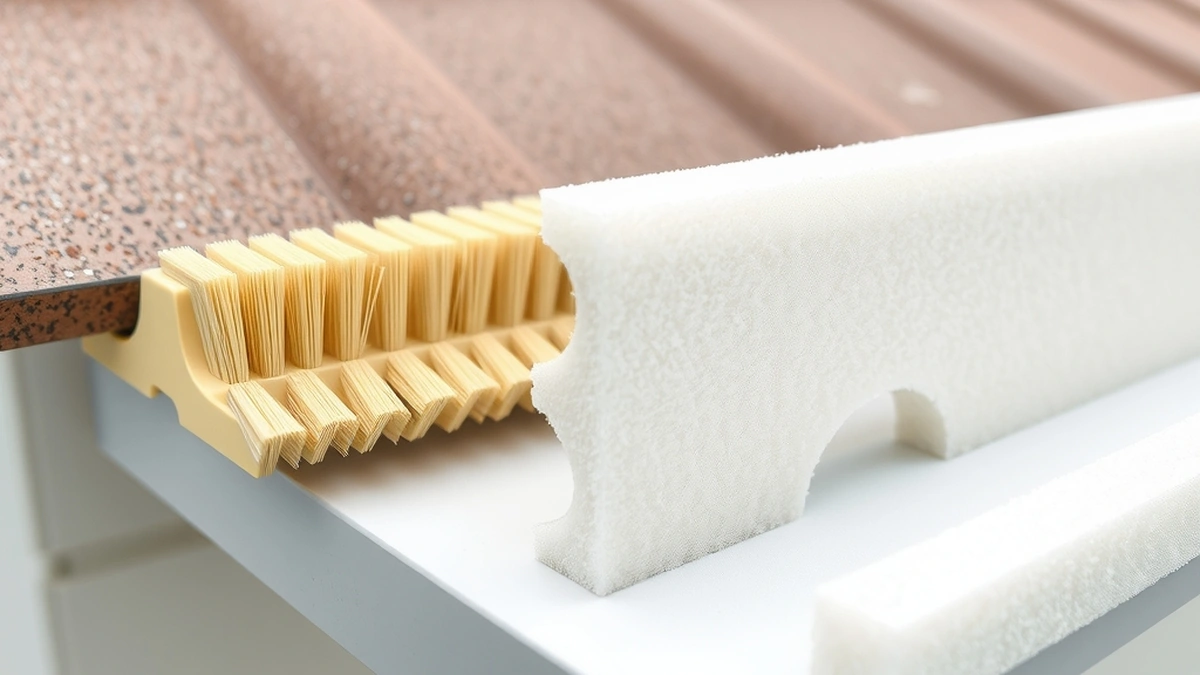
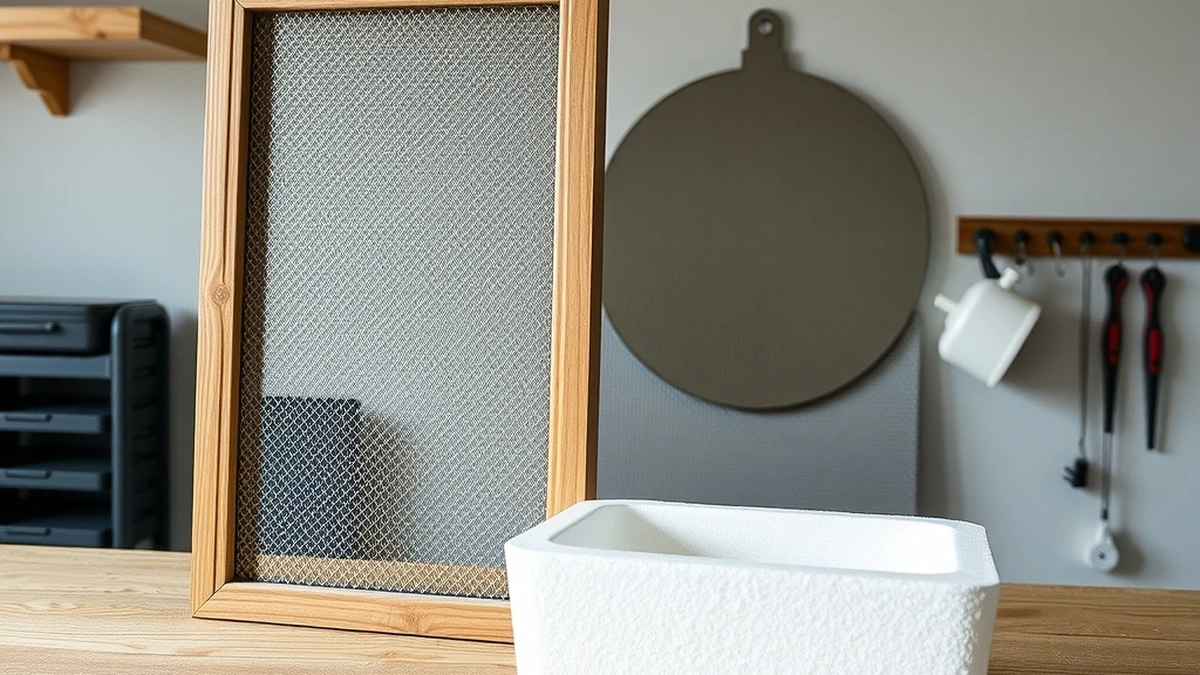
Brush insert vs screen: barrier or bristles
A brush insert costs $200 to $800; a screen costs $300 to $900. At nearly the same price one fills the trough and one covers it. Which handles your debris.
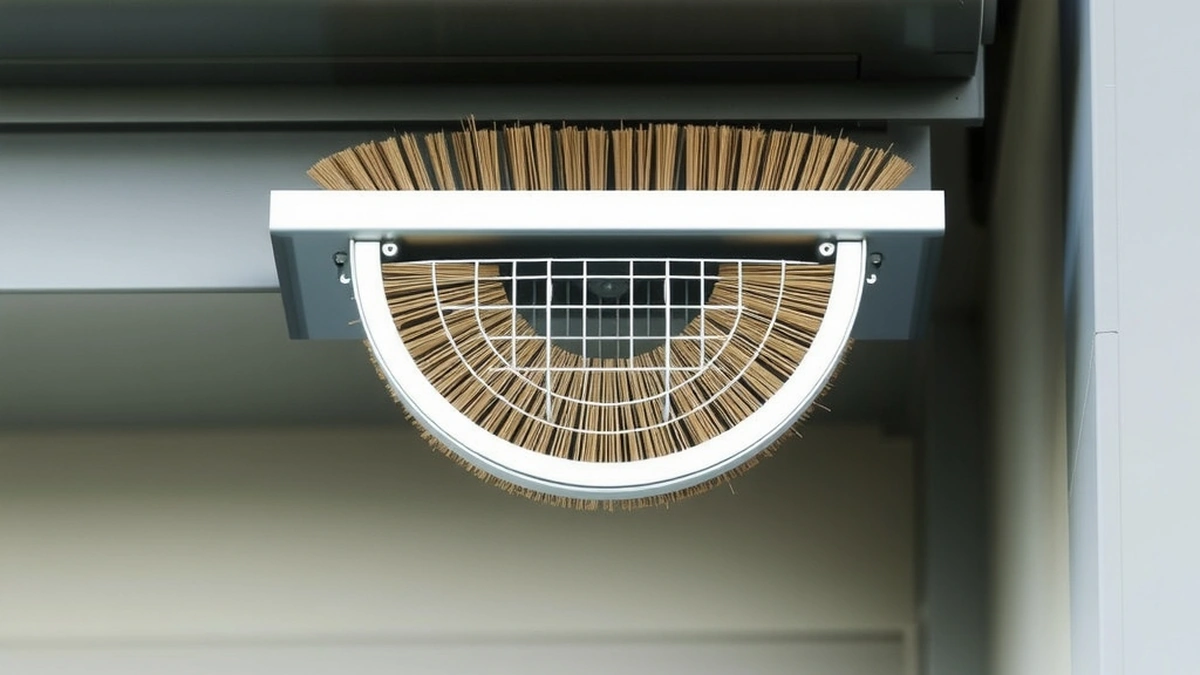
A brush insert costs $200 to $800 and fills the trough with bristles; a screen costs $300 to $900 and covers it with a perforated sheet. Nearly the same money, but a screen keeps leaves out and a brush keeps them from lying flat.
- Brush insert
- $200 - $800
- Screen
- $300 - $900
- Per foot at 200 ft
- $1 - $4 vs $1.50 - $4.50
- Flow capacity
- Moderate vs good
- Life
- 2 - 4 years vs 5 - 10 years
Some links on this page are affiliate links.If you buy through them we may earn a commission at no extra cost to you. We do not accept payment for rankings. Read the full disclosure.
A brush insert costs $200 to $800 and a screen guard $300 to $900, so the two cheapest guard options are within $100 of each other at the low end. They work in opposite ways: the brush fills the trough so debris cannot settle, and the screen covers the trough so debris never arrives. At the same price, the screen is usually the better buy, and the reason is what happens after the first autumn.
Barrier versus bristles
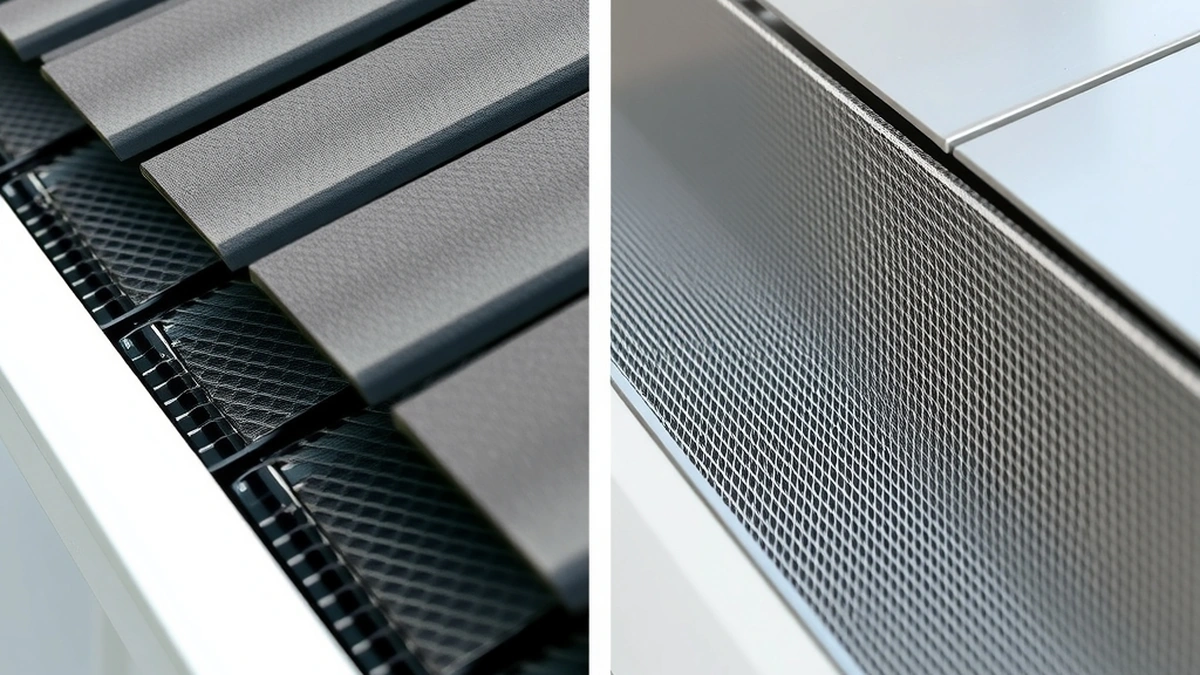
A screen is a perforated sheet fixed over the gutter opening. Leaves stay on top, water passes through the holes, and the trough below stays largely empty.
A brush insert is a bristle cylinder pushed into the channel. Leaves land on the bristles instead of the gutter floor, and water runs between them. Nothing is excluded; the debris is simply held above the metal.
One product keeps material out. The other holds it in place while it breaks down.
Price and life
| Item | Brush insert | Screen |
|---|---|---|
| Installed | $200 - $800 | $300 - $900 |
| Per foot at 200 ft | $1.00 - $4.00 | $1.50 - $4.50 |
| Expected life | 2 - 4 years | 5 - 10 years |
| Cost per year | $50 - $400 | $30 - $180 |
| Installation | Push in | Cut and fasten |
| Flow capacity | Moderate | Good |
The per-year figures are division. Brush: $200 ÷ 4 = $50 and $800 ÷ 2 = $400. Screen: $300 ÷ 10 = $30 and $900 ÷ 5 = $180.
The screen is cheaper per year at both ends of its range. That is unusual in this market, where the more expensive product usually wins on life, and it is a strong argument for the screen on a house where the debris is leaves.
What happens after the first autumn
A brush insert holds the first leaf fall well. The bristles support the leaves, water passes underneath, and the gutter works. By the second autumn the material on top has broken down into fragments that work into the bristles, and the flow path narrows.
A screen sheds the same leaves. They dry on the surface and blow away, and what remains is a thin layer that brushes off. The trough underneath stays clear.
By the third year the difference is visible from the ground: the brushed run holds a dark mat along its length, while the screened run shows metal through the perforations.
Where the brush is the right call
The brush is the right call when the gutter is a shape a screen cannot cover well, such as a deep box gutter or a run with irregular brackets. It is also right when the installation has to be done without fasteners, for example on a metal roof where drilling is not acceptable.
It is also right for a very short run where the price difference matters, and for a temporary measure on a property being sold.
Where the screen wins
The screen wins on a standard 5-inch gutter, on a single storey, and on any run longer than about 40 feet, because the cost per foot is close and the life is longer.
It also wins on water capacity. A screen passes a heavy rain through a large perforated area, while a brush depends on the gaps between bristles staying open. Once those gaps load, the overflow starts at the front lip.
A screened trough is mostly empty. What reaches it is water and a little grit, and the grit washes to the outlet where a strainer catches it. The metal dries between rains, and the run stays the colour it was installed.
A brushed trough collects the fines that fall through the bristles. Over a season that becomes a silt layer along the floor, which holds moisture against the metal and feeds the outlet. The insert is doing its job at the top of the trough and failing at the bottom of it.
Underneath, and the corner detail
Both products fail at the same place: the ends and corners of the run. A brush cut short leaves a gap where debris bypasses the whole insert. A screen that is not folded and fastened at a corner lifts, and the gap is invisible from the ground.
If either is fitted, spend the time on the ends. A screen with a properly closed corner outperforms a brush with a loose end, and the difference is ten minutes of work.
Five steps to choose
- Measure the gutter profile. Deep or irregular troughs favour the brush.
- Identify the debris. Leaves favour the screen; nothing here solves needles.
- Count the corners and ends that need detailing.
- Compare the per-year cost, not the sticker.
- Decide whether you will clean twice a year, because both need it.
Step five matters for the brush more than the screen, because the brush has to be pulled out and rinsed rather than brushed from above.
The short version
At nearly the same price, the screen keeps debris out and the brush holds it in. The screen lasts longer and is cheaper per year, and it is the better choice on a standard gutter. The brush remains useful for irregular troughs and no-drill installations. Prices are in brush insert cost and screen cost, and the step up to a framed system is in gutter guard cost.
Frequently asked questions
Is a screen better than a brush insert?
For leaves, usually yes. A screen covers the trough so debris never enters, while a brush lets leaves sit on the bristles and break down into the gutter. The screen also lasts two to three times longer.
Why are they priced so closely?
Because both are low-cost products without frames or fabrication. A brush insert is $200 to $800 and a DIY screen is $300 to $900, so the difference is $100 at the low end.
Which one is easier to install?
Brush. It is pushed into the trough and cut to length, with no fasteners. A screen has to be cut to width and fixed along the front lip, and the corners need folding.
Do either stop pine needles?
No. Needles pass through screen perforations and wrap into brush bristles. Only a sub-millimetre mesh holds them at the surface.
Which lasts longer?
A coated aluminium screen at five to ten years against two to four for a brush insert. The screen also holds its shape, while a brush flattens and loses contact with the gutter sides.
Can I put a screen over a brush insert?
It is possible but pointless. The brush traps material under the screen where it cannot be reached, and the combination costs more than either product alone.
Sources
Some links are affiliate links.If you buy through them we may earn a commission at no extra cost to you. We do not accept payment for rankings. Read the full disclosure.