Reverse-curve vs screen: is the premium cover worth it
Reverse-curve costs $2,000 to $5,000 and needs a steep roof; a screen costs $300 to $900 and fits anything. Compare water handling, pitch limits, and life.
Reverse-curve costs $2,000 to $5,000, or $10 to $25 per foot at 200 feet, and handles high water volume on steep roofs. A screen costs $300 to $900, or $1.50 to $4.50 per foot, and fits any pitch but only holds coarse debris.
- Reverse-curve
- $2,000 - $5,000
- Screen guard
- $300 - $900
- Roof pitch needed
- 3/12 or steeper
- Life
- 15 - 20 years vs 5 - 10 years
Some links on this page are affiliate links.If you buy through them we may earn a commission at no extra cost to you. We do not accept payment for rankings. Read the full disclosure.
A reverse-curve cover costs $2,000 to $5,000 and a screen guard $300 to $900, so the premium option is five to six times the price at the low end. Whether that is worth it comes down to two things a screen cannot change: roof pitch and water volume. On a steep roof in heavy rain, the cover earns the difference. On a shallow roof, it may not work at all.
Two ways to keep debris out
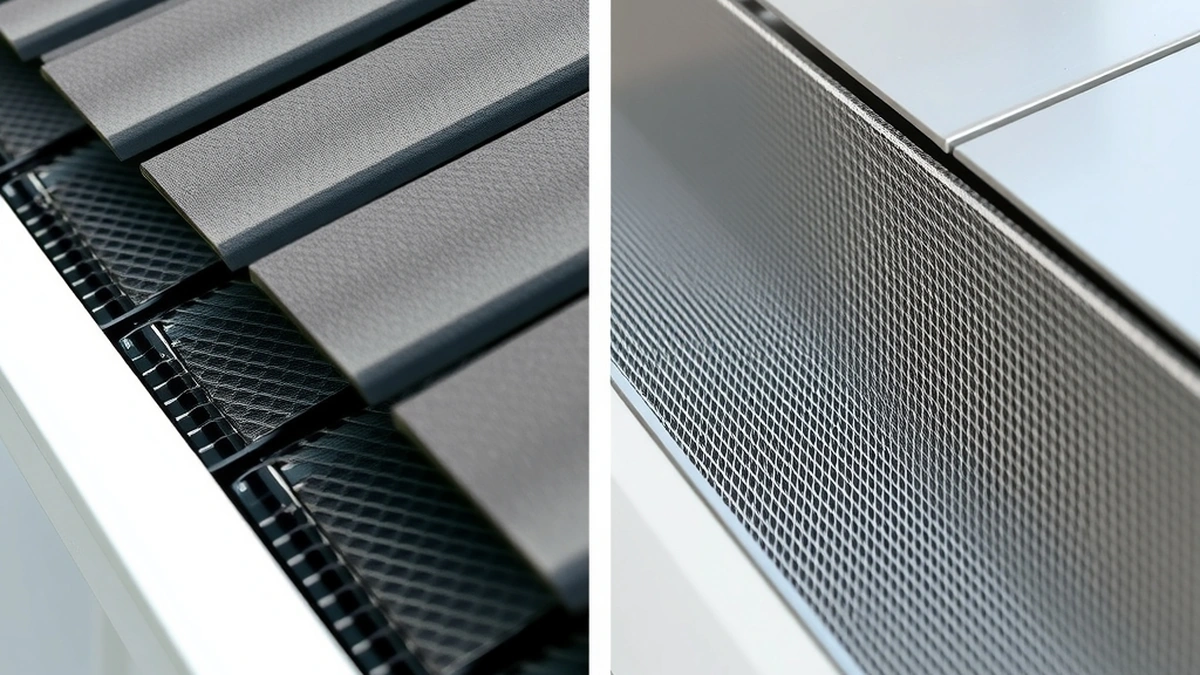
A screen is a barrier. A perforated sheet sits over the gutter, leaves stay on top, and water drops through the holes.
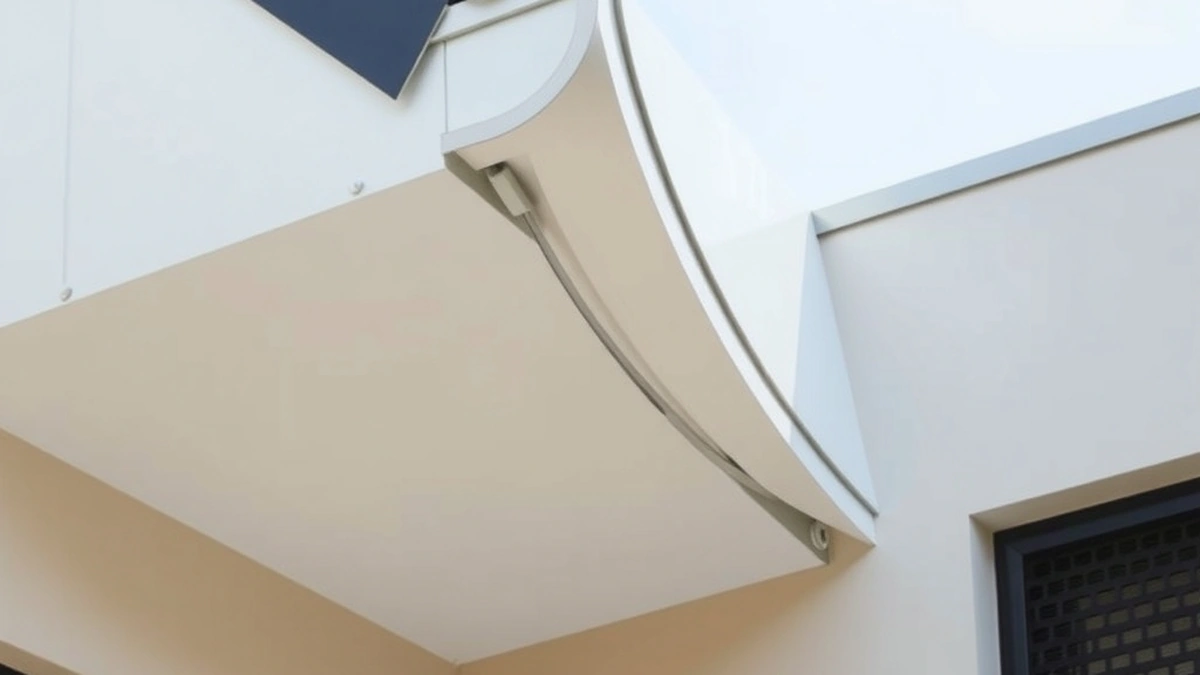
Reverse-curve is a diversion. A curved aluminium section sits above the gutter, water clings to the curve and wraps around the nose into the trough, and debris slides off the roof.
Both keep leaves out. The difference is what happens to the water in a downpour, and that is where the pitch matters.
Price and life
| Item | Reverse-curve | Screen |
|---|---|---|
| Installed | $2,000 - $5,000 | $300 - $900 DIY |
| Contractor fitted | Included | $1,200 - $2,700 |
| Per foot at 200 ft | $10.00 - $25.00 | $1.50 - $4.50 DIY |
| Expected life | 15 - 20 years | 5 - 10 years |
| Cost per year | $100 - $333 | $30 - $180 |
| Roof pitch needed | 3/12 or steeper | Any |
The per-year figures are division. Reverse-curve: $2,000 ÷ 20 = $100 and $5,000 ÷ 15 = $333. Screen: $300 ÷ 10 = $30 and $900 ÷ 5 = $180.
Even at its best, the screen is cheaper per year by a wide margin. The question is whether it does the job, because a cheap guard that fails is not a saving.
The pitch constraint
Reverse-curve depends on water adhering to a curved surface. That requires enough velocity, which requires enough slope. Below about 3/12, water tends to separate from the nose: it either falls short into the gap behind the cover or overshoots and misses the gutter entirely.
That is not a defect, it is the physics of the design. A contractor who quotes reverse-curve for a low-pitch roof without discussing it is quoting a product that will underperform.
A screen has no such constraint. It works at any pitch because it does not rely on flow behaviour; it relies on holes.
Water volume and the downpour test
The second difference is capacity. A reverse-curve cover can pass a large volume because the water sheet is continuous and the entry to the trough is wide.
A screen passes water through perforations, and the total open area is smaller than the gutter mouth. In a cloudburst, the flow can exceed what the holes pass, and water runs over the front of the screen. That is the same overflow the guard was meant to stop, and it happens at the worst moment.
On a steep roof in a high-rainfall climate, this is the argument for the cover. On a moderate roof, it is not.
A reverse-curve cover needs almost nothing. Debris slides off the nose, and the occasional pass with a soft brush clears what clings to the curve. There is no panel to lift and no perforated surface to unblind, which is why the product has a low service cost over a 15-year life.
A screen needs lifting and rinsing twice a year, because fine debris packs into the perforations and cannot be brushed off from above once it has wet and dried. On a two-storey house that means a paid visit at $150 to $400 per clean-out, which is $3,000 to $8,000 over ten years if you never do it yourself. That figure is not in the sticker price, and it is the one that closes the gap between the two products.
Maintenance, and where the screen wins
The screen is the better buy on a low-pitch roof, a single-storey house, a short run, and any budget where $2,000 is a meaningful sum. It is also the better buy where the debris is coarse leaves, because the aperture is adequate and the price is a fifth.
It is the better buy, too, where the gutter is old and may be replaced within a decade. Fitting a $5,000 cover to a 25-year-old gutter is spending on the wrong layer.
Where reverse-curve wins
Reverse-curve wins on steep roofs, high rainfall, long runs, and houses where the gutter line is visible and appearance matters. It also wins on life and on snow load, because the section is rigid and does not deform.
The honest case for it is a house you intend to keep for 15 years or more, on a roof that suits the design, with coarse debris and a real volume problem. That is a narrower case than the sales material suggests.
Five steps to decide
- Measure the roof pitch. Under 3/12, choose the screen.
- Note the rainfall and whether the gutter already overflows in storms.
- Check the gutter age. Under 10 years left, do not fit a premium cover.
- Price both at your run length, including contractor labour for the screen.
- Divide by expected life and compare.
Step three is the one buyers skip. The guard should outlive the gutter it sits on, or the money is stranded.
The short version
Reverse-curve is a water-handling system that needs pitch; a screen is a barrier that works anywhere. The cover is $10 to $25 per foot and the screen is $1.50 to $4.50, and the screen is cheaper per year even after its shorter life. The price detail is in reverse-curve cost and screen cost, and the pitch-related failure modes are in reverse-curve problems.
Frequently asked questions
Is reverse-curve better than a screen?
On a steep roof with heavy rain and coarse debris, yes. A reverse-curve cover moves more water and lasts longer. On a low-pitch roof or a tight budget, a screen is the more sensible purchase.
Can reverse-curve be fitted to any roof?
No. The design depends on water clinging to the curve, which needs pitch and flow. Below about 3/12 the water falls short or overshoots, and the cover does not perform as intended.
How much more does reverse-curve cost?
On a 200-foot house, $1,700 to $4,100 more. A screen is $300 to $900 DIY and reverse-curve is $2,000 to $5,000 fitted, so the low-end gap is $1,700 and the high-end gap is $4,100.
Does a screen work on a steep roof?
It fits, but it is the weaker choice. A perforated sheet relies on water passing through small holes, and on a steep roof in a downpour the flow can exceed what the perforations pass, so water runs over the front.
Which handles snow better?
Reverse-curve, because the aluminium section carries load and sheds snow. A light screen deforms under a wet snow load and stays bent, creating a low point that holds water.
How long does each last?
Reverse-curve is rated 15 to 20 years and a coated aluminium screen 5 to 10. Divided by price, the screen is still cheaper per year, but it needs lifting and rinsing twice a year.
Sources
Some links are affiliate links.If you buy through them we may earn a commission at no extra cost to you. We do not accept payment for rankings. Read the full disclosure.