Reverse-curve vs Brush insert
Reverse-curve vs Brush insert: practical numbers, costs, and trade-offs, written independently.

Reverse-curve vs Brush insert: practical numbers, costs, and trade-offs, written independently. The guide below shows the numbers and the trade-offs.
- Typical range
- Varies by system and site
- First step
- Measure the space and confirm the load
- Professional help
- Recommended for structural or electrical work
Some links on this page are affiliate links.If you buy through them we may earn a commission at no extra cost to you. We do not accept payment for rankings. Read the full disclosure.
Reverse-curve and brush inserts are not two answers to the same question. A brush insert is a $200 to $800 barrier laid inside the trough; a reverse-curve cover is a $2,000 to $5,000 formed metal system that keeps debris out of the gutter entirely. The price gap is real, and so is the performance gap: one passes fines and needs lifting, the other sheds leaves and needs almost no surface work.
Two Different Jobs
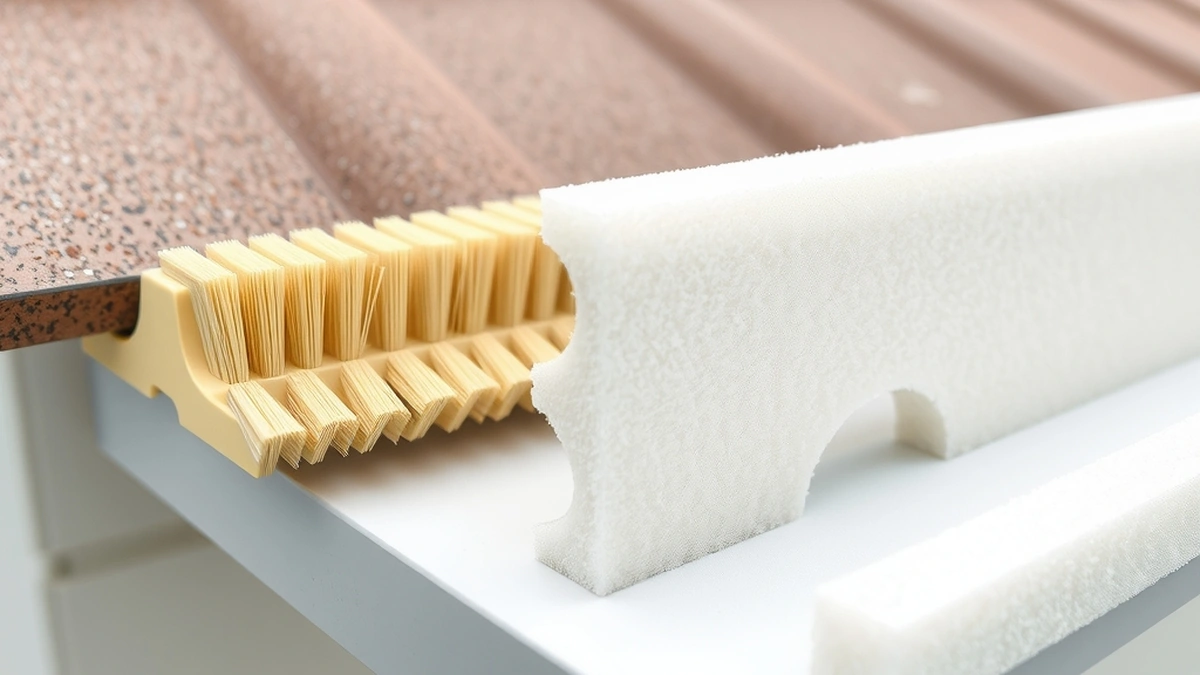
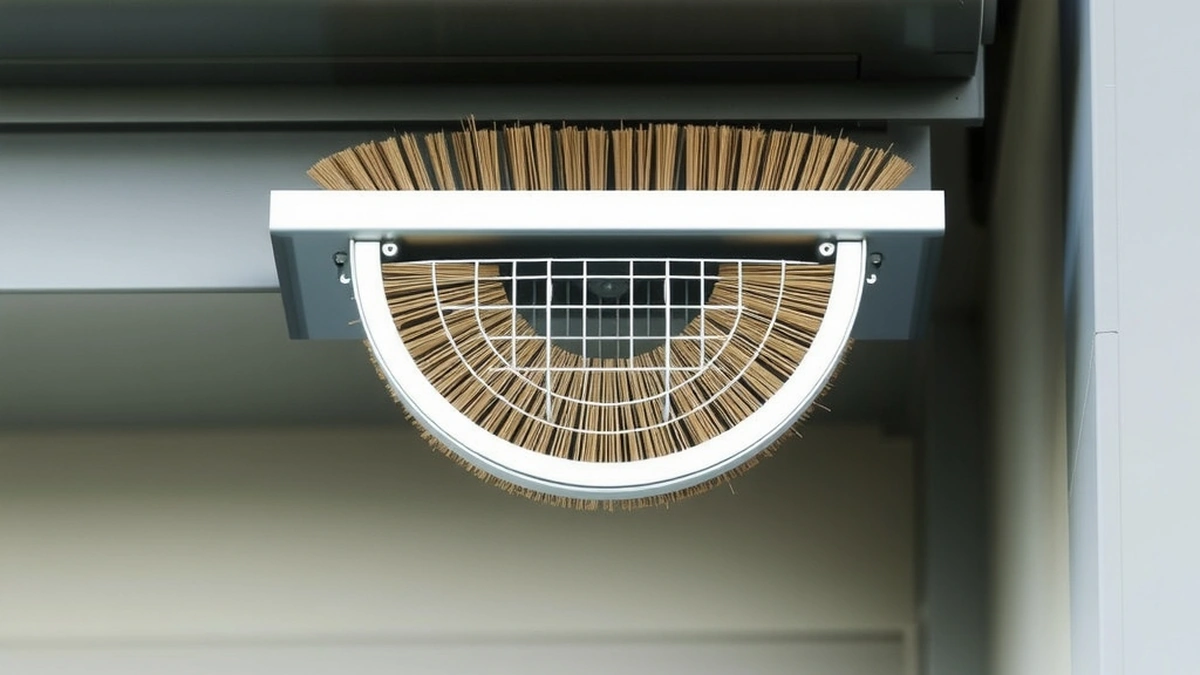
A brush insert is a cylinder of stiff polypropylene bristles, 3 to 4 inches in diameter, laid end to end inside the gutter. Water flows between the bristles, leaves rest on top and dry, and the whole thing lifts out for cleaning.
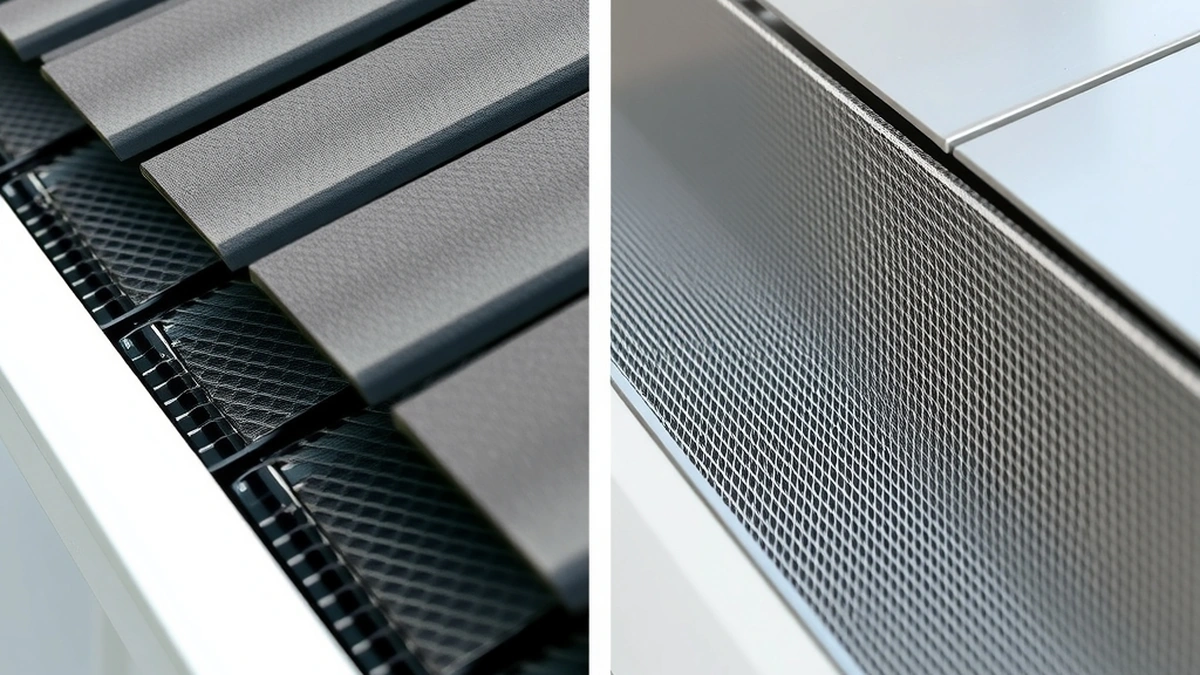
A reverse-curve guard is a solid curved cover fixed over the opening. Water follows the curve into the trough by surface tension, and debris slides off the front and falls to the ground.
One sits in the water path and lets it through. The other keeps debris out of the water path altogether. That difference explains almost every other difference between them.
The Price Gap
The two products are not close, and the arithmetic on a 200-foot run shows why.
- Brush insert: $200 to $800, which is $200 ÷ 200 = $1.00 to $800 ÷ 200 = $4.00 per foot.
- Reverse-curve: $2,000 to $5,000, which is $2,000 ÷ 200 = $10.00 to $5,000 ÷ 200 = $25.00 per foot.
- The gap at the midpoint of each range: $3,500 minus $500 is $3,000 on the same run.
- Cleaning baseline: $150 to $400 a visit, or $300 to $800 a year at two visits.
For context, the other options sit between them: a DIY screen at $300 to $900, micro-mesh at $1,800 to $4,500, and a dealer-sold filter system at $3,000 to $8,000.
The brush insert’s whole case rests on that gap. It is affordable enough to be an impulse purchase, and it can be installed in an afternoon without tools.
Performance by Debris
| Debris | Brush insert | Reverse-curve |
|---|---|---|
| Large leaves | Holds them on top | Sheds them off the front |
| Pine needles | Weaves into bristles | Passes into the trough |
| Shingle grit | Passes through, settles | Passes with the water film |
| Seed pods | Traps some, passes some | Passes most |
| Snow and ice | Freezes into the bristles | Bonds to the metal nose |
| Cleaning method | Lift and shake the insert | Brush the surface rarely |
Neither product handles fine debris well, which is the honest limit of both. Where needles and grit dominate, micro-mesh is the category that addresses the problem, at $1,800 to $4,500.
Where the Brush Insert Wins
The brush insert wins on short runs, outbuildings, and rentals. It is the right product when the goal is to keep large leaves out of a 40-foot run for a few years at minimal cost, and when nobody wants to drill into the fascia.
It also wins where the gutter is in poor condition. A $500 insert can go into a gutter that does not justify a $4,000 cover, and it can come out again when the gutter is replaced. Spending the premium price on a trough that is already failing is the wrong order of operations.
The insert’s weakness is maintenance. It has to be lifted and shaken out, usually once or twice a year, and the fines that pass through settle on the gutter floor underneath. That is a dirtier job than brushing off a cover.
Where Reverse-Curve Wins
Reverse-curve wins wherever access is expensive. On a two-story house, the value of not lifting a bristle cylinder out of a gutter twice a year is most of the purchase price. The cover sheds on its own, and the annual work is a surface check rather than a full removal.
It also wins on long, straight runs under large-leaf trees, where the geometry does its job with almost no intervention. And it wins on appearance: a formed metal cover reads as part of the roof, where a bristle cylinder reads as a temporary measure.
What it does not win is a capacity contest. A reverse-curve nose can only carry so much water, and a run with too few downspouts will overflow in a storm regardless of how clean the cover is.
Maintenance Over Five Years
The insert and the cover differ most in what they ask of the owner. A brush insert has to be lifted and shaken out once or twice a year, and the grit that settles beneath it has to be scooped from the trough. That is roughly two hours of work a year on a 200-foot run, plus a full cleaning if the fines have compacted.
A reverse-curve cover asks for a surface brush once a year and a bracket check twice. The trough still collects fines and needs scooping every two to three years, but the cover does not have to come out to do it.
If you hire the work, a surface clear on a covered run is a $100 to $250 estimate, while a brush insert cleaning is usually priced as a standard cleaning at $150 to $400 because the insert has to be removed and re-laid. Over five years that difference is $250 to $750, which narrows the gap between the two products without closing it.
How to Choose
- Measure the run and count the stories. Under 60 feet on a single story favors the insert; a long two-story run favors the cover.
- Identify the debris. Whole leaves suit either product; needles and grit suit neither, and point to mesh.
- Count the downspouts. Fewer than one per 35 feet of run makes overflow likely with reverse-curve.
- Price both against five years of cleaning at $1,500 to $4,000, not against each other alone.
- If the gutter is failing, repair or replace it before buying either product.
- If you choose the insert, buy by measured length plus 10 percent for corner cuts.
For the cost detail, see brush insert cost and reverse-curve cost. The installation side is in reverse-curve installation, the upkeep in brush insert maintenance, and the head-to-head with the premium alternative in reverse-curve vs micro-mesh.
Bottom Line
A brush insert is a $200 to $800 barrier that buys time on a short, low run; a reverse-curve cover is a $2,000 to $5,000 system that removes most of the work on a tall one. Neither handles needles or grit, and neither fixes an undersized downspout. Choose on access and debris, not on the per-foot price alone.
Frequently asked questions
What is the most important measurement?
Start with the ceiling or clearance number; it decides which systems can fit.
What does a typical project cost?
Costs vary by system and site access; the guide shows the line items and a planning range.
Can I install this myself?
Some tasks are DIY-friendly, but structural, electrical, and load-bearing work should be done by a licensed professional.
How long does installation take?
A simple setup is a weekend; a full build with electrical or structural work can take several weeks.
What should I check before buying?
Confirm dimensions, load ratings, and the manufacturer's installation requirements for your exact model.
Where can I find local help?
Ask a licensed contractor or installer who has worked with the same system and can inspect your site.
Sources
Some links are affiliate links.If you buy through them we may earn a commission at no extra cost to you. We do not accept payment for rankings. Read the full disclosure.