Micro-mesh vs brush insert: 10x the price, or 10x the work
Brush inserts cost $200 to $800 and need clearing often; micro-mesh costs $1,800 to $4,500 and lasts a decade. Compare cost per year, not sticker price.
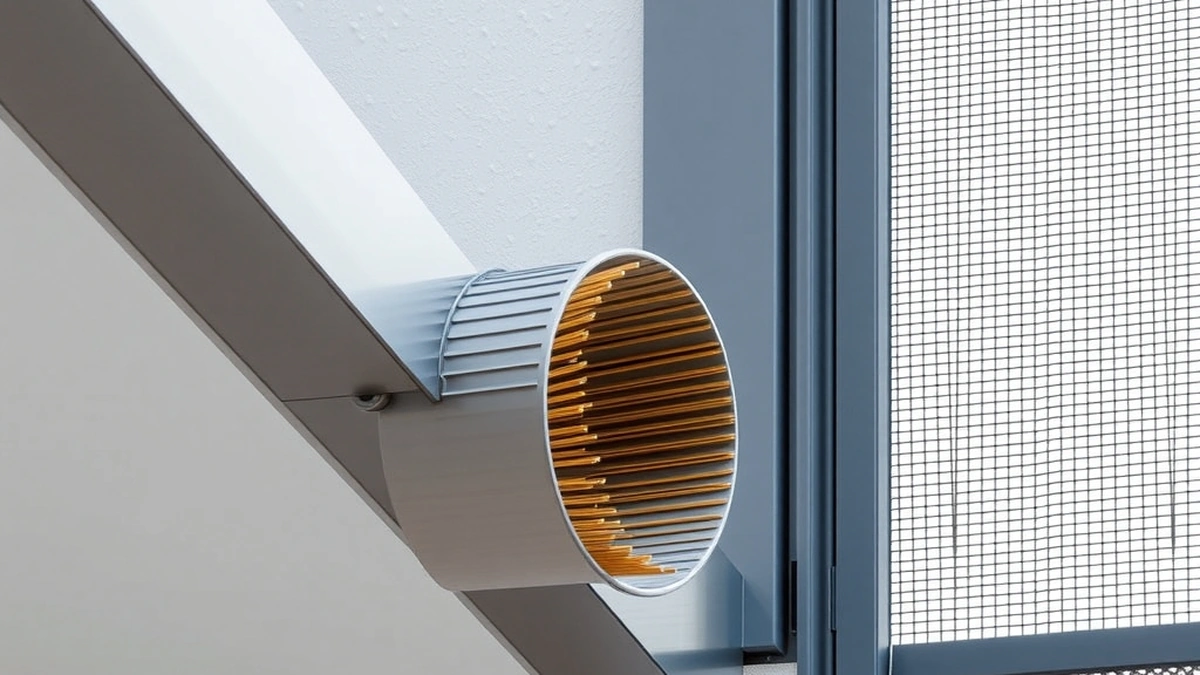
Brush inserts cost $200 to $800, or $1 to $4 per foot at 200 feet, and last two to four years. Micro-mesh costs $1,800 to $4,500, or $9 to $22.50 per foot, and lasts ten to fifteen. The cheap product buys labour, not a solution.
- Brush insert
- $200 - $800
- Micro-mesh
- $1,800 - $4,500
- Per year, brush
- $50 - $400
- Per year, mesh
- $120 - $450
Some links on this page are affiliate links.If you buy through them we may earn a commission at no extra cost to you. We do not accept payment for rankings. Read the full disclosure.
A brush insert costs $200 to $800 installed; micro-mesh costs $1,800 to $4,500. At 200 feet that is $1 to $4 per foot against $9 to $22.50, a gap of six to nine times at the low ends of both ranges. Brush inserts last two to four years and need clearing several times a season, so the honest comparison is not the invoice. It is the cost per year of keeping water out of the trough.
What each product is
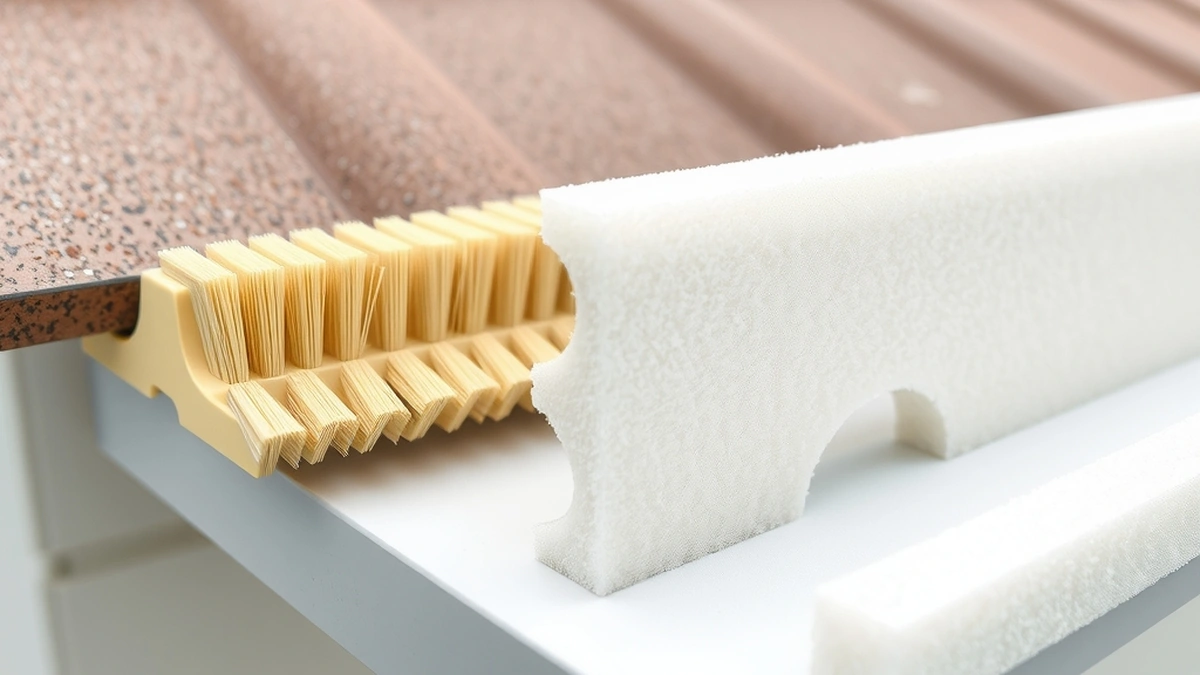
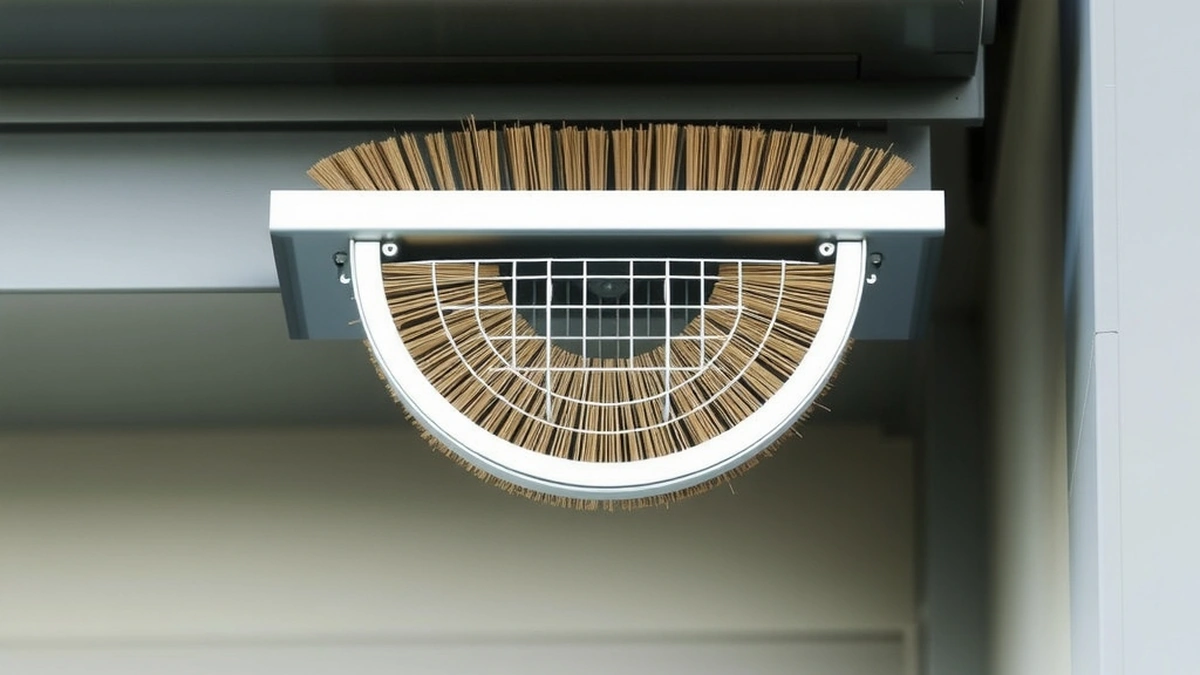
A brush insert is a cylinder of stiff bristles, usually polypropylene wound on a wire core, squeezed into the gutter trough. It fills the channel so leaves cannot lie flat, and water is meant to run through the bristles.
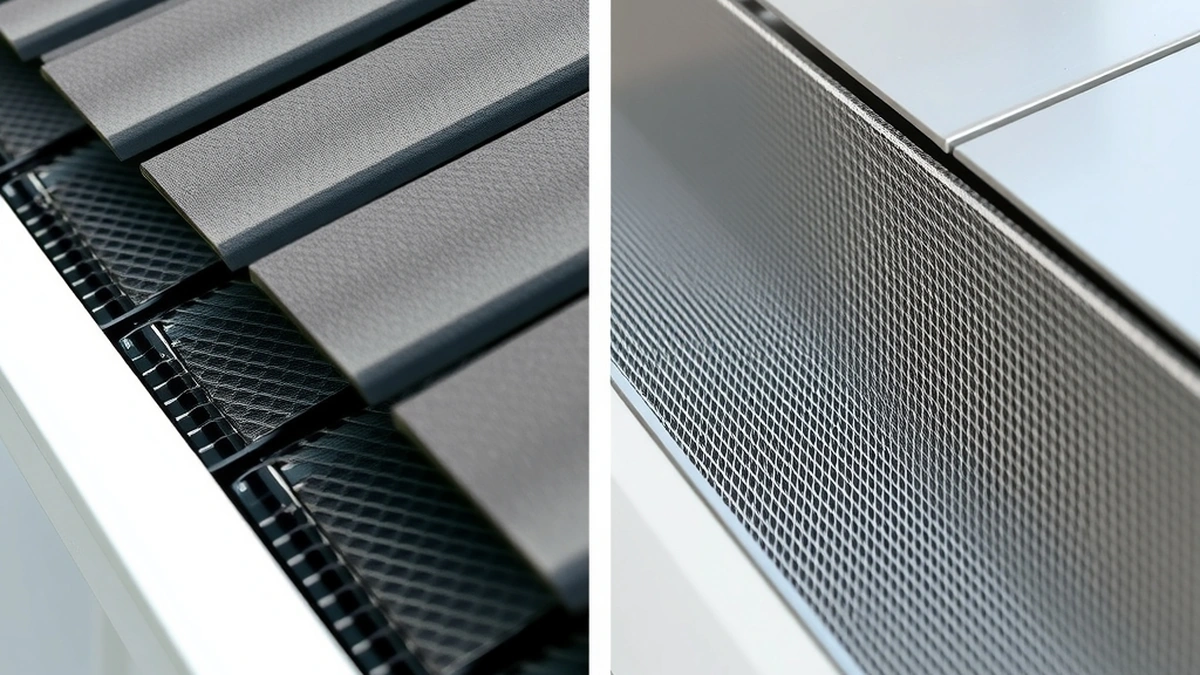
Micro-mesh is a woven stainless cloth with an aperture under a millimetre, bonded into an aluminium frame and fastened over the gutter opening. It filters at the surface rather than filling the volume.
One displaces debris. The other excludes it. That is the whole design difference, and it explains the price.
The price and the cost per year
| Item | Brush insert | Micro-mesh |
|---|---|---|
| Installed | $200 - $800 | $1,800 - $4,500 |
| Per foot at 200 ft | $1.00 - $4.00 | $9.00 - $22.50 |
| Expected life | 2 - 4 years | 10 - 15 years |
| Cost per year | $50 - $400 | $120 - $450 |
| Cleaning per year | 2 - 4 times | 1 - 2 brushes |
| Replacement cycles in 12 years | 3 - 6 | 0 - 1 |
The per-year figures are the installed price divided by the life. Brush: $200 ÷ 4 = $50 at the best case, and $800 ÷ 2 = $400 at the worst. Mesh: $1,800 ÷ 15 = $120, and $4,500 ÷ 10 = $450.
Read that table carefully. The best-case brush insert is the cheapest guard per year on the market. The worst case is more expensive per year than a mid-range mesh system, and it comes with three to six installation cycles.
Where brush inserts actually work
A brush insert works on a short run with light, coarse debris: a porch, a garage, a garden wall, a single-storey bay. It is also the only guard that requires no fasteners, no cutting to width, and no roof access beyond lifting the insert in.
At $200 to $800 it is a reasonable answer for a landlord who wants to reduce call-outs on a small building, or a homeowner who wants to stop leaves lying in a 30-foot run beside a deck.
It stops working when the debris is fine. Needles, grit, and pollen pack into the bristles, and once the mat forms the insert holds water against the gutter floor instead of letting it through.
Where micro-mesh earns the gap
Mesh earns the gap on fine debris and on any roof where nobody wants to climb twice a season. The cloth holds needles and grit on the surface, where wind and a brush remove them, and the frame keeps the panel flat so water passes at a consistent rate.
It also earns the gap on corrosion. A brush insert keeps the trough damp, which is the condition that promotes rust and moss. A mesh panel lets the gutter dry between rains, which is the condition that slows both.
On a 200-foot house with pines overhead, the mesh is not an upgrade. It is the only one of the two that addresses the actual debris.
What the trough looks like after a season
A brush insert sits in the water path, so it is wet for days after rain and the debris it traps stays wet with it. Lift one out after a season and the bristles carry a mat of leaves, grit, and organic silt, and the gutter floor beneath it is stained and damp.
A mesh panel sits above the water path. The trough underneath stays clear and dries between rains, and what accumulates is a thin layer on the cloth that brushes off. The difference is not cosmetic: a trough that dries is a trough that does not corrode, and a trough that stays wet is where moss and rust begin.
The hidden labour line
Brush inserts are cheap to buy and expensive to own in time. Two to four clearings a year, each requiring the insert to be pulled out, shaken, rinsed, and pushed back, is four to eight hours of ladder work annually on a 200-foot run.
If that time is paid at $150 to $400 per visit, the annual cost is $300 to $1,600, which is more than the insert cost in the first year. That is the arithmetic that makes the $1,800 mesh look reasonable.
Six steps to decide
- Identify the debris: coarse leaves or fine needles and grit.
- Measure the run. Under 60 feet, a brush insert is defensible.
- Count the clearings you will realistically do in a year.
- Multiply that count by the cost of a paid visit, or by your own hourly value.
- Add the replacement cost every two to four years.
- Compare the total with the mesh price divided by its expected life.
Step five is the one people forget. A brush insert is not a purchase, it is a subscription with a two-to-four-year term.
The short version
Buy brush for a short run, coarse debris, and a low budget. Buy mesh for fine debris, a long run, and a decade without ladder work. The per-foot figures are in brush insert cost and micro-mesh cost; the maintenance burden behind the brush is in brush insert maintenance, and the full market comparison is in gutter guard cost.
Frequently asked questions
Is micro-mesh worth 10 times the price of a brush insert?
Over ten years, often yes. Brush inserts cost $200 to $800 but last two to four years and need frequent clearing, so the replacement and labour add up. Mesh is $1,800 to $4,500 and lasts ten to fifteen years with light brushing.
What is a brush insert actually good for?
Short runs with coarse debris and a homeowner who wants a cheap barrier. It fills the trough so leaves cannot settle, and it is the easiest guard to install yourself.
Do brush inserts hold water?
The bristles trap debris and moisture, and the mat that forms keeps the gutter damp. That is the mechanism behind the corrosion and moss complaints that appear in reviews after two or three seasons.
How often do brush inserts need cleaning?
Two to four times a year in most climates, because the bristles catch material rather than shedding it. A mesh panel is brushed once or twice a year and does not need lifting out.
Which is better for pine needles?
Micro-mesh. Needles wrap around brush bristles and are difficult to remove, and they mat into a layer that blocks flow. A sub-millimetre aperture holds them on the surface where they can be brushed off.
Can brush inserts be used with a mesh system?
Not usefully. The two do the same job at different grades, and fitting a brush under a mesh panel just traps debris where nobody can reach it. Choose one.
Sources
Some links are affiliate links.If you buy through them we may earn a commission at no extra cost to you. We do not accept payment for rankings. Read the full disclosure.