Gutter Guard vs gutter cleaning
Gutter Guard vs gutter cleaning: practical numbers, costs, and trade-offs, written independently.
Gutter Guard vs gutter cleaning: practical numbers, costs, and trade-offs, written independently. The guide below shows the numbers and the trade-offs.
- Typical range
- Varies by system and site
- First step
- Measure the space and confirm the load
- Professional help
- Recommended for structural or electrical work
Some links on this page are affiliate links.If you buy through them we may earn a commission at no extra cost to you. We do not accept payment for rankings. Read the full disclosure.
A gutter guard rarely costs less than cleaning over ten years. It buys fewer ladder trips, not a smaller bill. Cleaning a 200-foot gutter twice a year at $150 to $400 a visit runs $3,000 to $8,000 across a decade; a $1,800 to $4,500 mesh system plus one lighter annual visit lands in almost the same band. The decision is about access and effort, and the arithmetic only separates the two options at the edges.
The Two Options
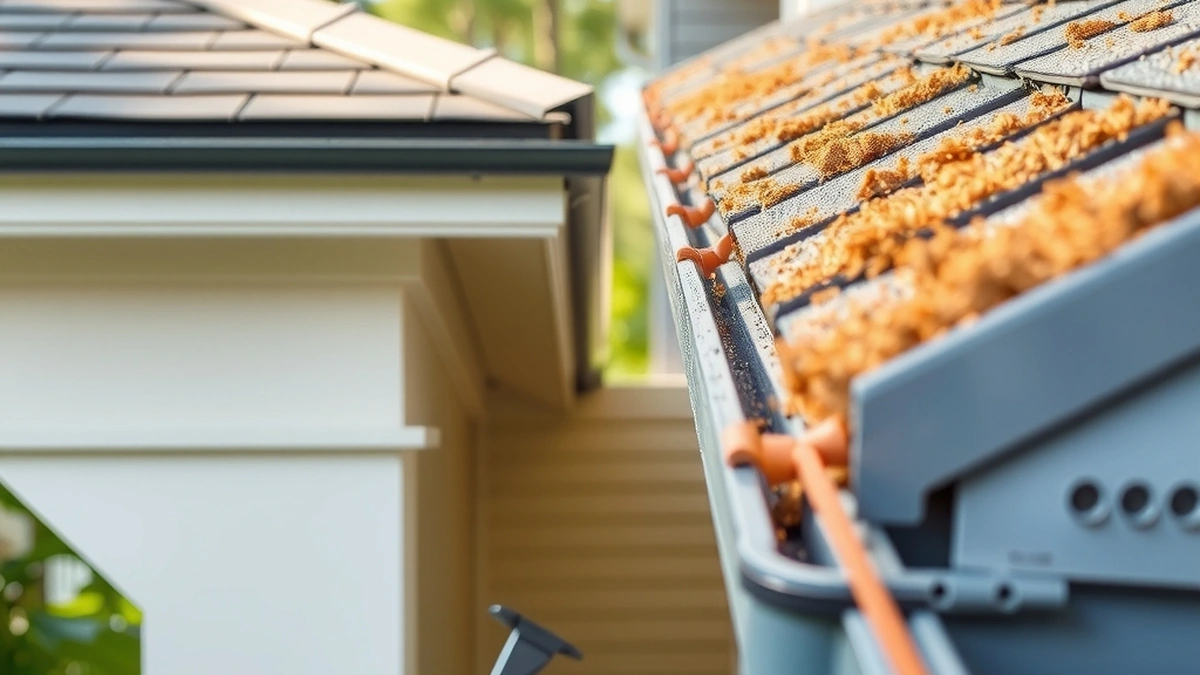
Gutter cleaning is the periodic removal of debris from the trough and downspouts by hand, blower, or vacuum. A gutter guard is a cover fixed over the opening that reduces how much of that debris reaches the trough.
They are not opposites. Every guard still needs some cleaning, and every cleaning schedule can be stretched by a guard. The real comparison is between two maintenance schedules, one with a cover and one without.
What Cleaning Buys
Cleaning buys a clear system and an inspection. A crew on the roof sees the hangers, the seams, and the pitch while the gutter is empty, and that is where small problems get caught before they become fascia rot.
The price is driven by footage, height, and debris volume. A single-story house with light debris sits near $150. A two-story house under pines with packed downspouts sits near $400 or above. Two visits a year is the standard schedule in a leaf climate, and one visit is often enough where the tree cover is light.
What a Guard Buys
A guard buys a lower debris load and fewer climbs. The cover does the first pass: leaves stay on top and dry, or slide off a curve, instead of settling into the trough. What still gets through is fine material — grit, needles, pollen — and that is what the residual cleaning removes.
The installed ranges are worth memorizing because they set the whole comparison:
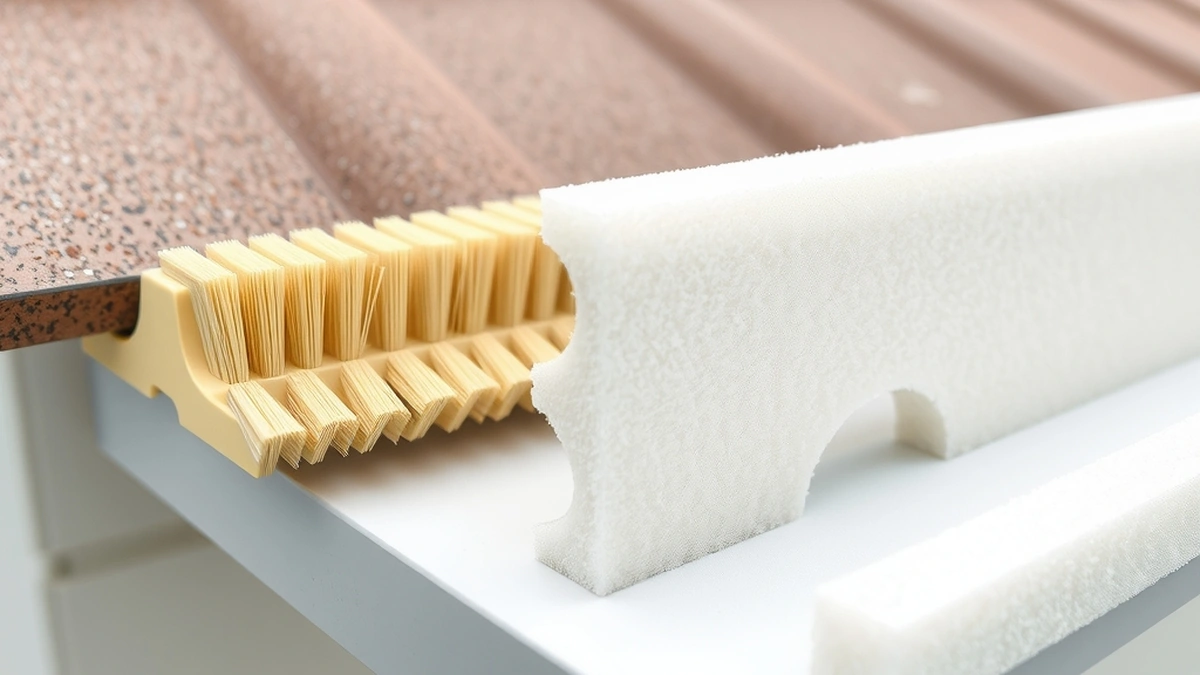
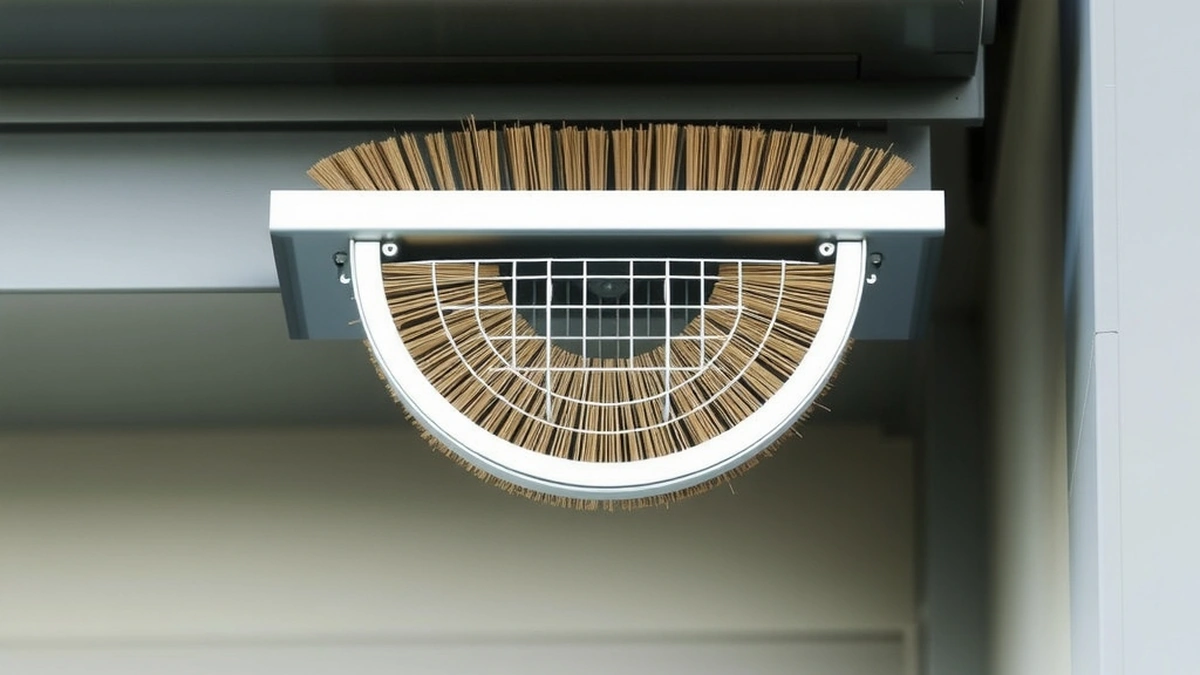
- Brush or foam insert: $200 to $800
- DIY screen kit: $300 to $900
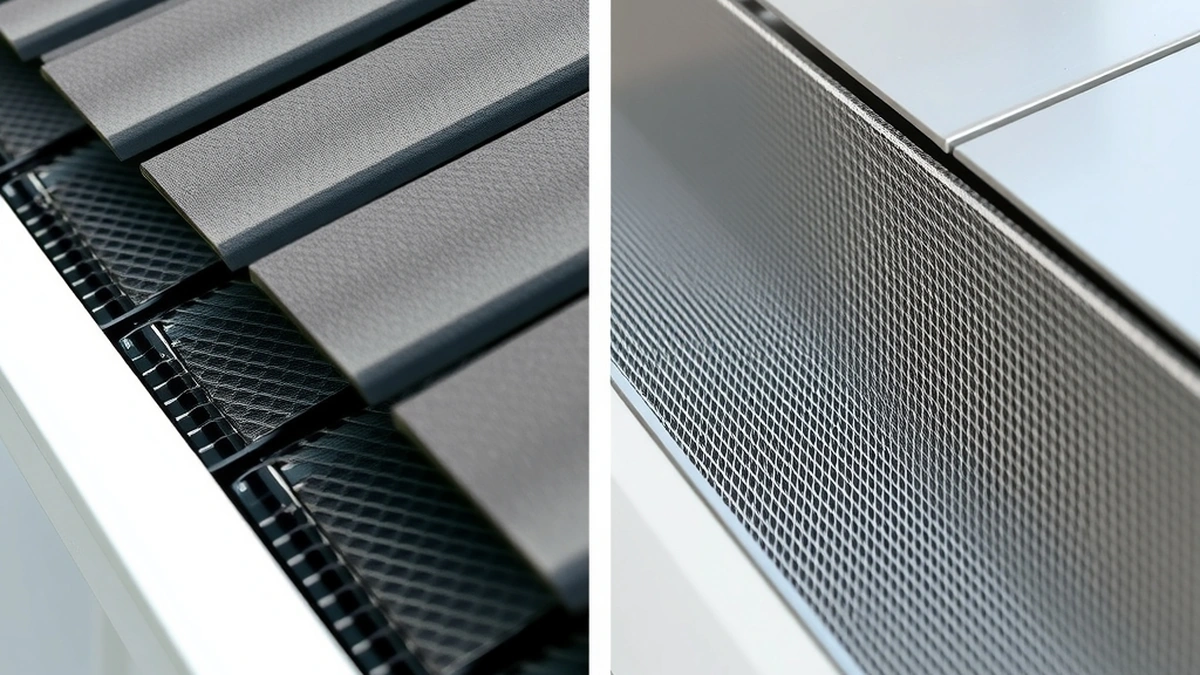
- Micro-mesh, installed: $1,800 to $4,500
- Reverse-curve, installed: $2,000 to $5,000
- Dealer-sold filter system: $3,000 to $8,000
A guard also changes what a cleaning is. Clearing the surface of a covered gutter takes less time than scooping a full trough, and some crews price it lower. It is still a visit, still a ladder, and still a charge.
The Ten-Year Arithmetic
Take a 200-foot run and a house that needs two cleanings a year.
No guard. Two visits at $150 to $400 each is $300 to $800 a year. Over ten years: $300 × 10 = $3,000 at the low end, $800 × 10 = $8,000 at the high end.
Micro-mesh at mid-range. The install is $3,150. Add one surface cleaning a year at $150 to $250, which is $1,500 to $2,500 over ten years. Total: $3,150 + $1,500 = $4,650 low, $3,150 + $2,500 = $5,650 high.
Brush insert. The install is $500. Add one full cleaning a year at $150 to $400, because inserts do not stop fines: $1,500 to $4,000 over ten years. Total: $2,000 to $4,500.
Put those side by side and the surprise is how much they overlap. The mesh system at $4,650 to $5,650 sits inside the $3,000 to $8,000 cleaning band. On a house at the low end of cleaning cost, the guard costs more. On a house at the high end, it costs less and saves two climbs a year.
Break-Even, Honestly
Break-even is the install cost divided by the cleaning cost the guard actually removes, not by the bill you used to pay.
- Micro-mesh at $3,150: cleaning falls from $550 to $200 a year, a net saving of $350. $3,150 ÷ $350 = 9.0 years.
- Micro-mesh at $4,500 against $800 of cleaning: net saving $600, so $4,500 ÷ $600 = 7.5 years.
- Brush insert at $500: cleaning falls from $550 to $275, a net saving of $275. $500 ÷ $275 = 1.8 years.
The brush insert breaks even fastest because it costs least, not because it works best. The mesh takes seven to nine years to repay, which is roughly the span most owners keep a roof. Change any input and the answer moves: if a guard does not reduce visits at all, the install is a straight loss, and if it removes more, payback shortens.
The honest version is that a guard is a prepayment. You spend $200 to $5,000 now to reduce a recurring cost and a recurring risk. On a single-story house where you clean the gutters yourself in an afternoon, the prepayment buys very little. On a two-story house with a steep pitch, it buys a plumber’s ladder and a Saturday you do not have.
Where Each Option Wins
| Situation | Better choice | Why |
|---|---|---|
| Single story, light debris, DIY cleaning | Cleaning only | Guard cost exceeds a decade of visits |
| Two story, heavy leaves | Guard, then one cleaning a year | Access is the real cost |
| Pine needles or shingle grit | Micro-mesh, then annual surface clear | Coarse covers pass the debris |
| Tight budget, coarse debris | Brush insert, then annual clean | Cheapest barrier that works |
| Gutter already sagging or leaking | Repair first, then decide | A guard hides the fault |
| Rental property, short hold | Cleaning only | Payback is longer than the ownership |
The pattern is that cleaning wins where access is cheap and the guard wins where access is expensive. Debris type decides which guard, not whether to buy one.
A Decision Sequence
- Measure the run and count the stories. Write down what a cleaning costs in your area; the $150 to $400 range is the starting point.
- Multiply the annual cleaning cost by the number of years you expect to stay in the house.
- Compare that total with the installed range for the guard that suits your debris.
- Subtract any residual cleaning you will still pay for, usually one visit a year.
- If the difference is small, decide on access rather than price: how many climbs a year are you buying back, and what is that worth.
- Repair any sag, leak, or backfall before installing anything, because a cover over a failing gutter multiplies the repair.
For the per-type numbers, see gutter guard cost and brush insert cost. The repair side is in gutter repair cost, and the case for doing nothing is set out in is gutter guard worth it.
Bottom Line
Gutter cleaning costs $3,000 to $8,000 over ten years; a guard costs $200 to $5,000 up front and still needs a visit a year. The guard is not cheaper in most cases. It is a trade of a large payment now for fewer climbs later, and that trade is worth making on a tall house with heavy debris and worth skipping on a low house you can clean yourself.
Frequently asked questions
What is the most important measurement?
Start with the ceiling or clearance number; it decides which systems can fit.
What does a typical project cost?
Costs vary by system and site access; the guide shows the line items and a planning range.
Can I install this myself?
Some tasks are DIY-friendly, but structural, electrical, and load-bearing work should be done by a licensed professional.
How long does installation take?
A simple setup is a weekend; a full build with electrical or structural work can take several weeks.
What should I check before buying?
Confirm dimensions, load ratings, and the manufacturer's installation requirements for your exact model.
Where can I find local help?
Ask a licensed contractor or installer who has worked with the same system and can inspect your site.
Sources
Some links are affiliate links.If you buy through them we may earn a commission at no extra cost to you. We do not accept payment for rankings. Read the full disclosure.