Reverse-curve vs Micro-mesh
How reverse-curve and micro-mesh guards differ in mechanism, debris handling and cost, with installed prices of $2,000 to $5,000 and $1,800 to $4,500.
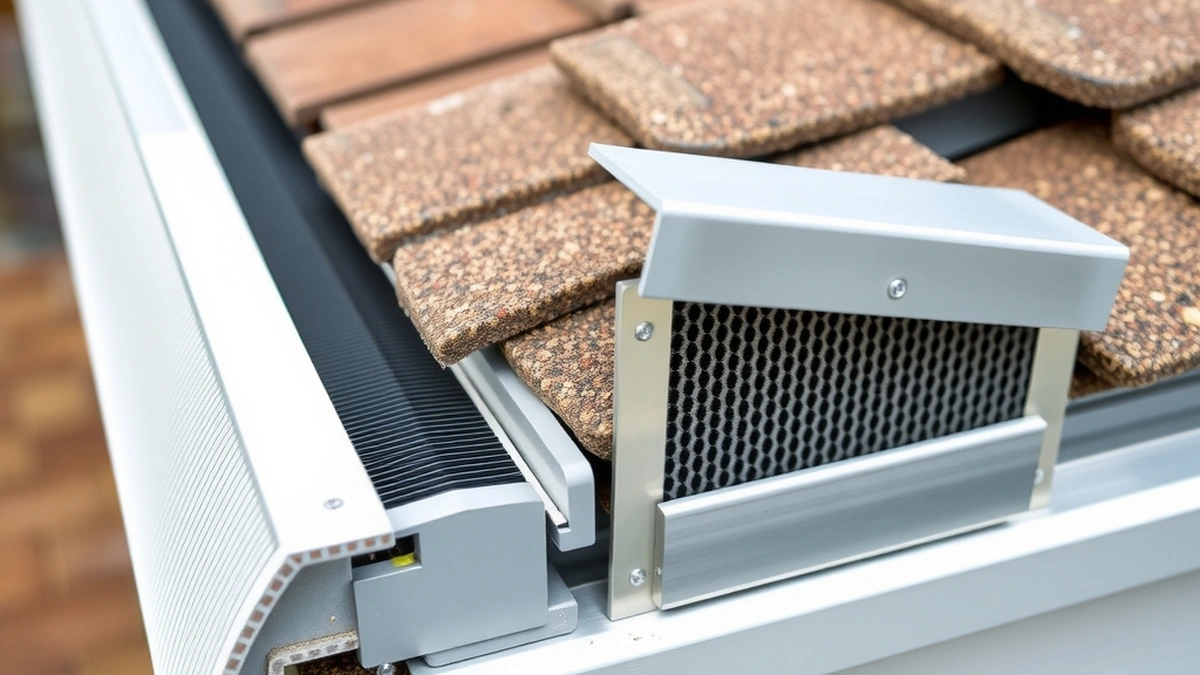
Reverse-curve guards pull water around a curved nose and shed leaves off the front; micro-mesh guards strain water through a sub-millimeter screen. Installed, they run $2,000 to $5,000 and $1,800 to $4,500.
- Reverse-curve installed
- $2,000–$5,000
- Micro-mesh installed
- $1,800–$4,500
- DIY screen alternative
- $300–$900
- Cleaning baseline
- $150–$400 per visit
Some links on this page are affiliate links.If you buy through them we may earn a commission at no extra cost to you. We do not accept payment for rankings. Read the full disclosure.
Reverse-curve and micro-mesh guards solve the same problem from opposite directions. A reverse-curve guard uses surface tension to pull water around a curved metal nose and lets leaves slide off the front; a micro-mesh guard strains water through a screen with apertures under a millimeter. Installed on a typical 200-foot home, reverse-curve runs $2,000 to $5,000 and micro-mesh $1,800 to $4,500, so the cheaper option is not automatically the simpler one.
Two Designs, One Job
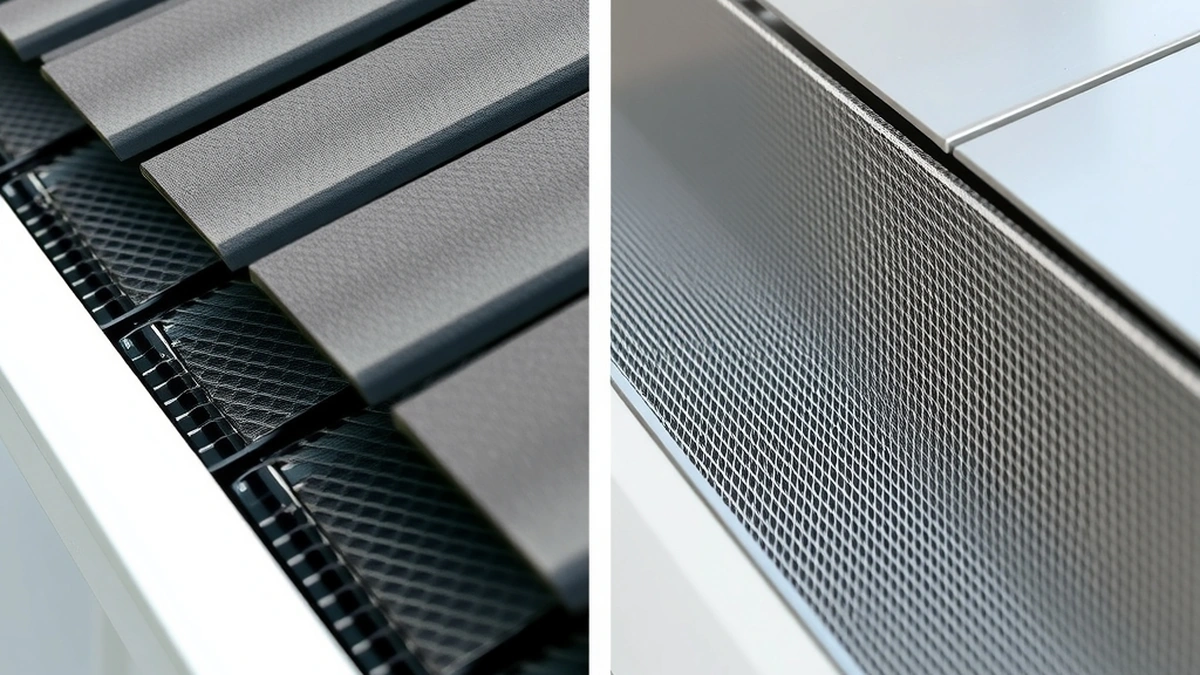
A reverse-curve gutter guard is a solid, curved cover that sits over the trough and relies on surface tension to guide water around its nose and down into the gutter while debris slides off the outer edge. A micro-mesh guard is a fine stainless or coated screen fixed over the opening, sized so water passes through the pores and debris stays on top.
The price of each type sits inside a wider market. Reverse-curve installed costs $2,000 to $5,000 on a typical home, micro-mesh runs $1,800 to $4,500, a DIY screen kit lands at $300 to $900, and the dealer-sold systems with the heaviest advertising run $3,000 to $8,000. Cleaning a bare gutter is the baseline all of those get compared against, at $150 to $400 per visit.
How Reverse-Curve Moves Water
Water leaving the roof edge meets the curved nose and clings to it, following the bend inward and dropping into the trough. The trick only works within a flow rate the curve can carry. In a downpour, water that exceeds that rate jumps the nose and lands on the ground, which is why reverse-curve covers are specified with a maximum roof area per linear foot.
The design is forgiving about debris because almost nothing enters the gutter. Leaves, twigs and seed pods slide off the lip and fall. What does get in is the fraction small enough to travel with the water film, plus whatever wind pushes under the front edge.
How Micro-Mesh Moves Water
On a mesh panel, surface tension works against you rather than for you: water spreads across the weave and drains through thousands of small pores instead of running in a defined channel. Aperture size sets the trade-off. Openings narrow enough to hold pine needles and shingle grit also slow the drain rate and give pollen and dust something to cling to.
Debris on a micro-mesh panel is meant to dry and blow off, or be brushed away. Dry leaves slide; wet leaves mat into a felt that blocks the pores and sheets water over the front.
Side by Side
| Spec | Reverse-curve | Micro-mesh |
|---|---|---|
| Installed, 200 ft | $2,000–$5,000 | $1,800–$4,500 |
| Cost per linear foot | $10.00–$25.00 | $9.00–$22.50 |
| How it separates water | Surface tension on a curve | Pore size in a screen |
| Pine needles | Passes through | Held on the surface |
| Shingle grit | Passes through | Mostly held on the surface |
| Heavy leaf volume | Sheds off the front | Sits until cleared |
| Surface clearing | Rarely needed | Once or twice a year |
| Freeze behavior | Ice can bond to the nose | Ice can seal the mesh |
| Best roof | Long straight runs, big leaves | Fine debris, pines, grit |
Where Each One Fails
A reverse-curve guard fails by overflow, not by clogging. When the flow rate exceeds what the nose can carry, water goes over the front and lands where the gutter should have caught it. Long runs with a small number of downspouts, steep roofs and valleys that concentrate water all push it past its limit.
A micro-mesh guard fails by blanketing. The panel has to stay permeable, and a mat of wet leaves, moss or pollen closes it. Both designs also hide the trough, so a gutter that is already sagging, holding standing water or growing algae inside will keep doing so out of sight.
The Cost per Linear Foot
Take a 200-foot run, which is a common figure for a single-story house with a simple roofline.
- Reverse-curve: $2,000 ÷ 200 = $10.00 per foot at the low end; $5,000 ÷ 200 = $25.00 per foot at the high end.
- Micro-mesh: $1,800 ÷ 200 = $9.00 per foot; $4,500 ÷ 200 = $22.50 per foot.
- DIY screen: $300 ÷ 200 = $1.50 per foot; $900 ÷ 200 = $4.50 per foot.
- Dealer system: $3,000 ÷ 200 = $15.00 per foot; $8,000 ÷ 200 = $40.00 per foot.
The gap between reverse-curve and micro-mesh is $1.00 to $2.50 per foot in the middle of each range, which on 200 feet is $200 to $500. That is small enough that debris type should decide the purchase, not price. Over ten years, twice-yearly cleaning at $300 to $800 a year comes to $3,000 to $8,000, which is the number a guard is really competing against.
How to Choose
- Walk the roof edge in fall and note what actually lands: whole leaves, needles, seed pods, grit from worn shingles.
- Measure the gutter run in linear feet and count the downspouts. Fewer than one outlet per 35 feet of run makes overflow more likely with either product.
- Check the pitch with a level. Water should fall roughly 1 inch per 10 feet toward the outlet; fix that before buying a cover.
- Pick micro-mesh where needles, grit or small seed pods dominate; pick reverse-curve where the load is large leaves on long straight runs.
- Get two quotes that state the linear footage, the per-foot price and the brand of fastener, then compare against the installed ranges above.
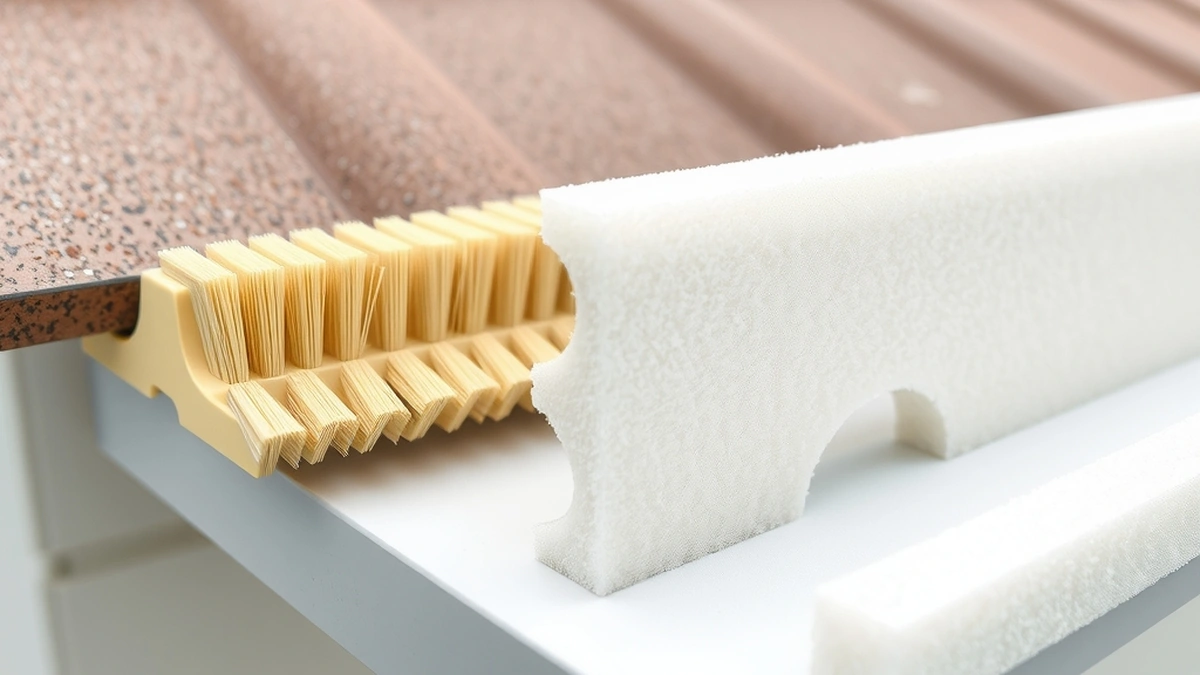
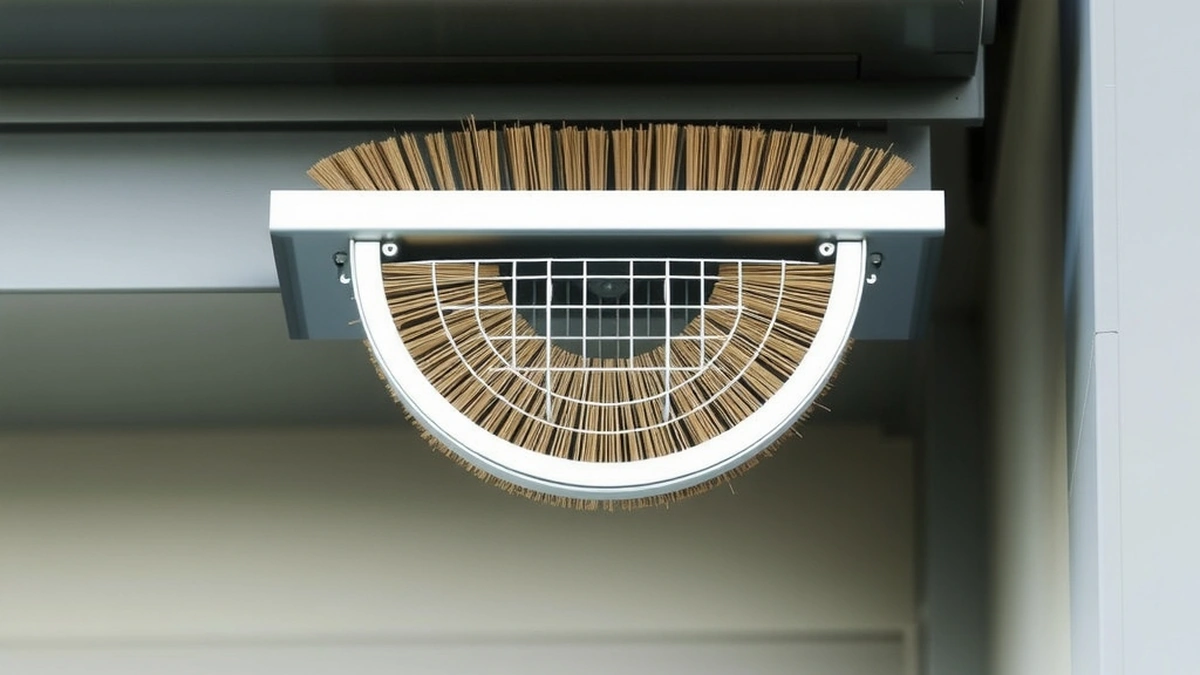
Run the same test on the cheap option before dismissing it; a brush insert costs $200 to $800 and suits short runs where debris is light. For the wider product landscape, see types of gutter guard, and for the full reverse-curve cost breakdown see reverse-curve cost.
Bottom Line
Micro-mesh wins on fine debris because aperture is the only thing that reliably stops pine needles and shingle grit. Reverse-curve wins on volume and on maintenance, because a smooth curved cover sheds most of what lands on it without help. At $1,800 to $4,500 against $2,000 to $5,000, the money is close enough that the roof should decide. If the debris is fine and constant, buy the mesh; if it is coarse and seasonal, buy the curve. Either way, the guard is only as good as the gutter underneath it, which is why the micro-mesh gutter guard and is gutter guard worth it guides start with pitch and outlet capacity.
Frequently asked questions
Which is cheaper, reverse-curve or micro-mesh?
Micro-mesh is usually the slightly cheaper of the two when both are professionally installed, at $1,800 to $4,500 against $2,000 to $5,000 for reverse-curve, but the ranges overlap heavily and the lower end of each depends on roof height and run length.
Do reverse-curve guards stop pine needles?
Only partly. Pine needles are short enough to pass around the nose with the water and collect in the trough, whereas a micro-mesh aperture narrow enough to hold them keeps them on the surface.
Does micro-mesh need more cleaning than reverse-curve?
Yes, in most installations. Micro-mesh holds debris on top of the panel where it has to be brushed or rinsed off, while a reverse-curve guard is designed to shed leaves off the front edge on its own.
Which guard handles heavy rain better?
Reverse-curve generally moves more water per minute because the channel is open, while a fine micro-mesh panel can sheet water over the front edge when a large storm arrives and the surface is partly covered in wet debris.
Can either guard be installed over an existing gutter?
Both are fitted to the existing gutter and fascia in most cases, but the crew should clear the trough, check the pitch and replace any failed hangers first, because a guard on a badly pitched gutter still overflows.
Which one lasts longer?
Service life depends more on the metal and the fasteners than on the design. Aluminum and steel reverse-curve covers and stainless micro-mesh panels are both long-lived; galvanized fasteners and painted steel frames are what usually fail first.
Sources
Some links are affiliate links.If you buy through them we may earn a commission at no extra cost to you. We do not accept payment for rankings. Read the full disclosure.