Rain Gutter Cover vs Guard: What's the Difference
Compare rain gutter covers and gutter guards by cost, installation, and performance for US homes.
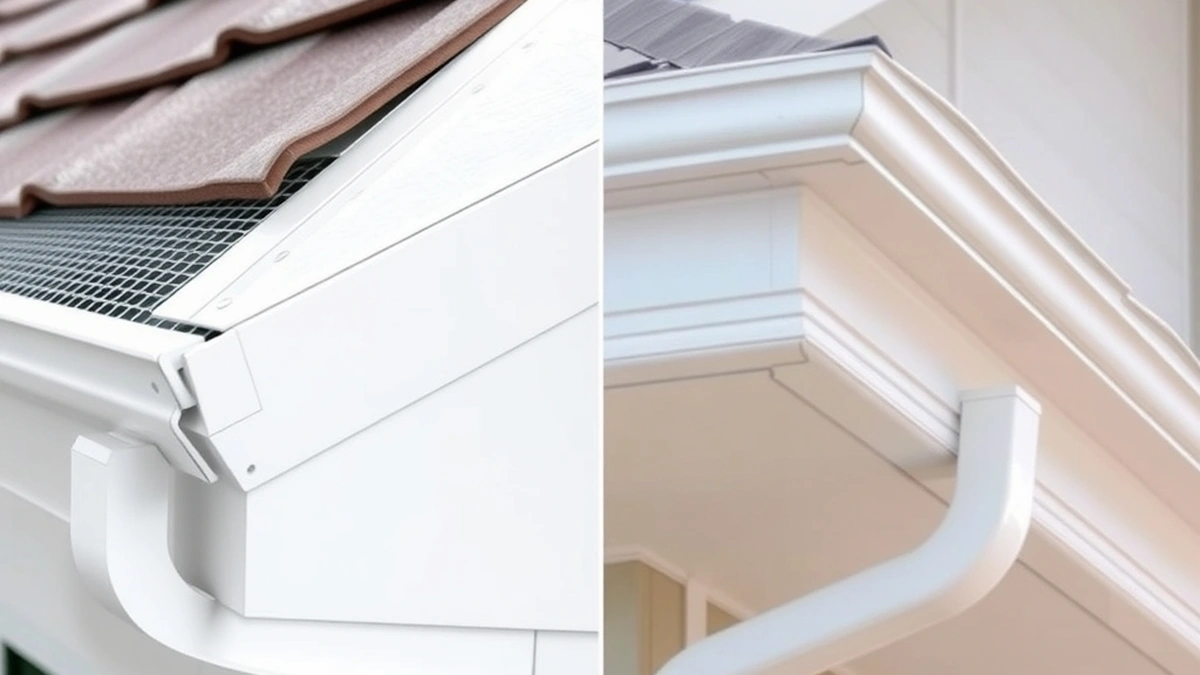
A rain gutter cover is a type of gutter guard; the terms overlap, but covers usually sit over the gutter while guards can include inserts, screens, and mesh systems.
- Main distinction
- Covers sit over the gutter; guards include covers, screens, mesh, and inserts
- Installed cost range
- $200-$8,000 depending on type and home size
- DIY screen cost
- $300-$900 for materials
- Professional cleaning baseline
- $150-$400 per visit
Some links on this page are affiliate links.If you buy through them we may earn a commission at no extra cost to you. We do not accept payment for rankings. Read the full disclosure.
A rain gutter cover is a type of gutter guard. The two terms are often used interchangeably, but they are not identical. A cover typically sits over the top of the gutter to block leaves while letting water flow through, whereas a guard is the broader category that includes covers, screens, mesh, foam inserts, and brush systems. If you are shopping for protection, understanding the distinction helps you match the product to your roof, your budget, and how much maintenance you want to avoid.
What Is a Rain Gutter Cover?
A rain gutter cover is a solid or perforated panel that mounts over the gutter trough. Its job is to keep leaves, twigs, and pine needles out while allowing rainwater to enter the gutter. Some covers use a reverse-curve design that relies on surface tension to guide water over the edge and into the gutter. Others are flat panels with small holes or slots.
Covers are usually installed by professionals because they attach to the roofline or fascia and must align with the roof pitch. If the angle is wrong, water can overshoot the gutter entirely during heavy rain. That makes installation quality as important as the product itself.
What Is a Gutter Guard?
Gutter guard is the umbrella term. It includes rain gutter covers, but it also includes:
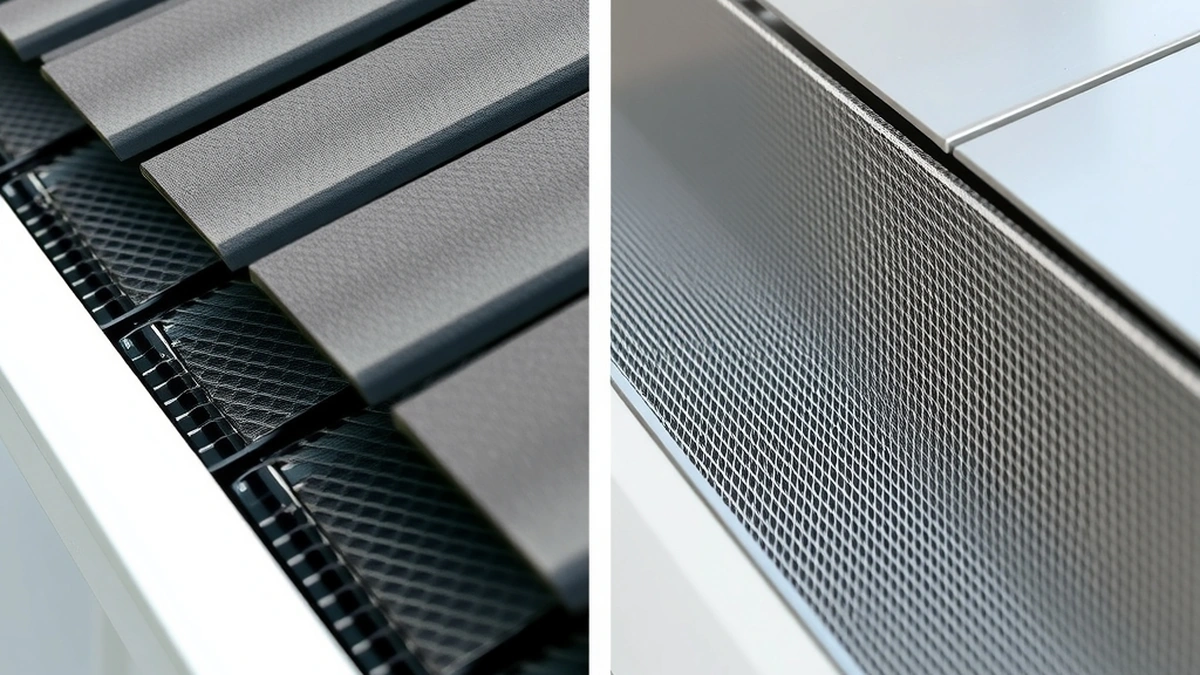
- Micro-mesh screens that fasten over the gutter
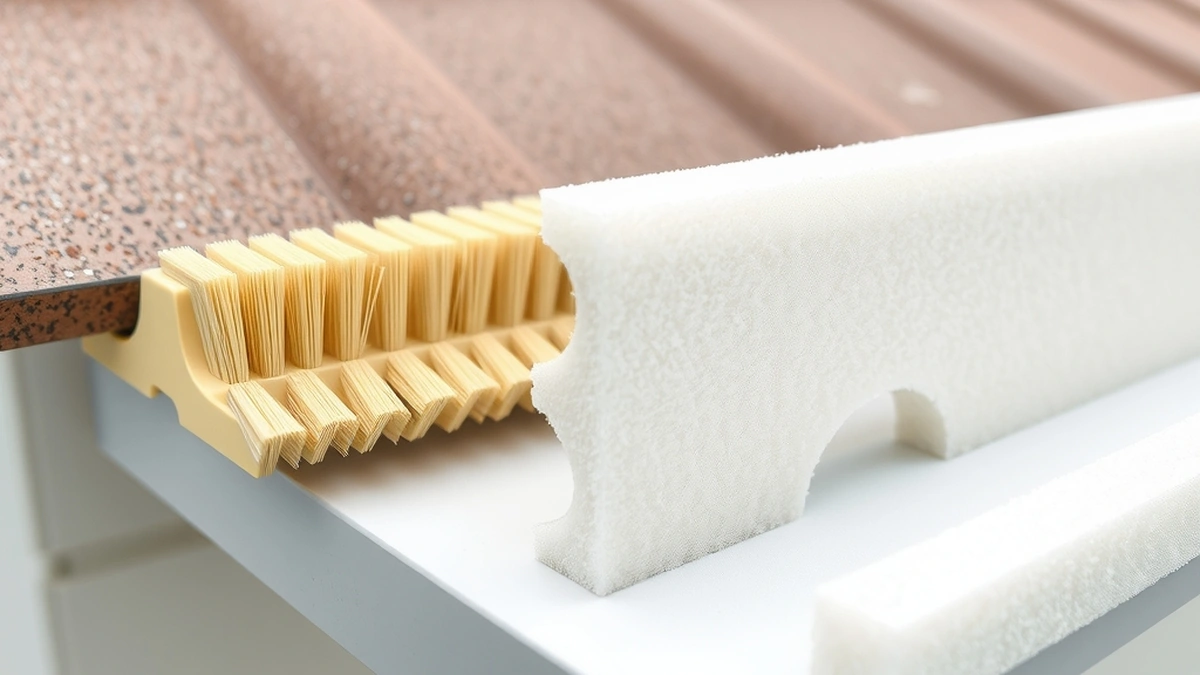
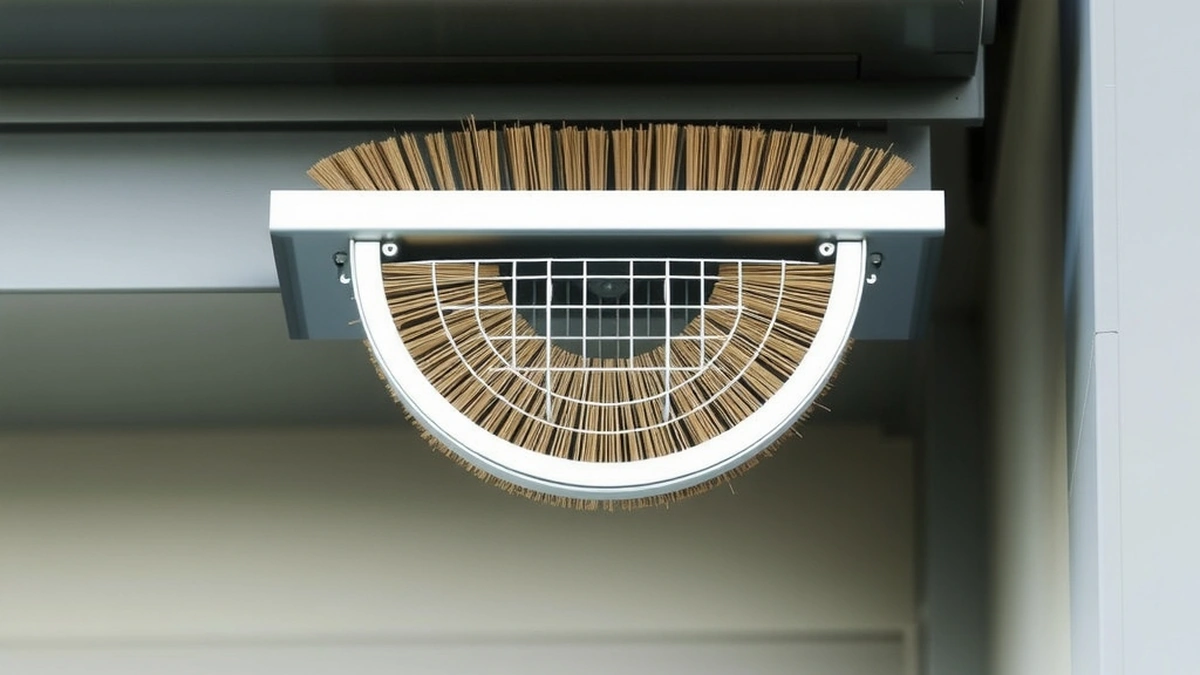
- Foam or brush inserts that sit inside the trough
- Drop-in screens that rest on the gutter lip
Not every guard is a cover. Inserts, for example, go inside the gutter rather than over it. Screens may be DIY-friendly or professionally installed depending on the frame and fastening method. Because the category is broad, prices and performance vary widely.
Cost Comparison by Type
Cost should drive the decision more than marketing claims. Below are typical installed or material cost ranges for common gutter protection types in the United States.
| Type | Typical Cost | Installation |
|---|---|---|
| Brush or foam insert | $200-$800 | DIY |
| Screen guard (DIY materials) | $300-$900 | DIY |
| Micro-mesh guard (installed) | $1,800-$4,500 | Professional |
| Reverse-curve guard (installed) | $2,000-$5,000 | Professional |
| LeafFilter-style dealer system | $3,000-$8,000 | Professional dealer |
These are estimates. Actual prices depend on linear footage, roof height, local labor rates, and whether old guards must be removed first. For context, a standard professional gutter cleaning runs about $150-$400 per visit.
Here is a simple way to think about payback. If your home needs two cleanings per year at $250 each, that is $500 annually. A $3,000 system would take roughly six years to break even on cleaning savings alone, not counting the value of your time or potential water damage avoidance. A $200 foam insert breaks even much faster but may need replacement every few years.
How Covers and Guards Perform in Real Conditions
No gutter protection eliminates maintenance entirely. Fine debris such as pine needles, seed pods, and shingle grit can still collect on top of or inside guards. Heavy rain can overwhelm some designs if the gutter slope or downspout capacity is inadequate.
Reverse-curve covers handle large leaves well but sometimes struggle with heavy downpours if water cannot curve into the gutter fast enough. Micro-mesh guards block small debris effectively but can clog on the surface if fine material accumulates, requiring brushing or blowing off. Foam and brush inserts are inexpensive and easy to install, but they can hold moisture and degrade faster than metal systems.
If your property has heavy tree cover, expect to inspect the system at least once or twice a year regardless of what you install. In low-debris areas, a guard may go longer between checks.
Installation Considerations
Professional installation matters for covers and engineered mesh systems. A product rated for heavy rainfall still fails if it is pitched incorrectly or fastened to rotting fascia. Installers should check:
- Gutter slope toward downspouts
- Fascia condition
- Roof shingle edge and drip edge compatibility
- Downspout capacity and extensions
DIY products such as drop-in screens or foam inserts avoid labor costs but still require safe ladder work. The Occupational Safety and Health Administration provides ladder safety guidance that applies to any homeowner working at height. If your roof is steep or your gutters are more than one story up, professional installation is usually the safer choice.
You can read more about what to expect during a professional job in our gutter guard installation guide, and about ongoing care in gutter guard maintenance.
When to Repair Instead of Replace
If you already have guards and notice water spilling over, sagging sections, or debris buildup, the issue may be repairable. Loose fasteners, separated seams, or dented mesh can often be fixed without replacing the whole system. Our gutter guard repair article covers common failure points and when a full replacement makes more sense.
Choosing Between a Cover and Another Guard Type
Choose a rain gutter cover or reverse-curve system if you want a low-profile look over the gutter and are comfortable with professional installation. Choose micro-mesh if you need to block fine debris such as pine needles and are willing to pay for installed screening. Choose foam or brush inserts if your budget is tight and you do not mind replacing them periodically.
Before buying, get at least two itemized quotes that list cost per linear foot and total job price. Ask whether the quote includes removal of old guards, end caps, and downspout screening. Compare that total against your current cleaning costs to see if the math works for your home.
For more background on whether these products deliver on their promises, see do gutter guards work. If you are specifically comparing screen styles, our gutter guard screens page breaks down mesh options, and our mesh gutter guards article covers micro-mesh systems in detail. For broader pricing context, see how much does gutter guard cost.
The bottom line: a rain gutter cover is one option within the larger gutter guard category. Match the product to your debris load, roof configuration, and budget rather than to a brand name, and treat any system as a maintenance reducer—not a maintenance eliminator.
Frequently asked questions
Is a rain gutter cover the same as a gutter guard?
A rain gutter cover is one style of gutter guard. Gutter guard is the broader category that includes covers, screens, mesh, foam, and brush inserts.
What does a rain gutter cover cost installed?
Installed systems typically range from $1,800 to $8,000 depending on the type, home size, and local labor rates.
Can I install a gutter cover myself?
DIY screen and insert products are available for $200 to $900 in materials, but reverse-curve and micro-mesh systems usually require professional installation.
Do gutter covers eliminate cleaning completely?
No. Most covers reduce debris but still need periodic inspection and cleaning, especially in areas with heavy tree cover or pine needles.
How long do gutter guards last?
Lifespan varies by material and installation quality; metal mesh and reverse-curve systems generally outlast foam and brush inserts, which may need replacement every few years.
Are gutter guards worth the cost?
Value depends on your current cleaning frequency, local debris, and whether the installed price justifies the reduction in maintenance over time.
Sources
Some links are affiliate links.If you buy through them we may earn a commission at no extra cost to you. We do not accept payment for rankings. Read the full disclosure.