Micro-mesh vs Micro-mesh
Two products both called micro-mesh can differ in mesh alloy, aperture, frame, and fastening. How to compare the versions behind the same label and price.
Micro-mesh vs micro-mesh is the comparison between two products sold under the same name: a contractor-framed stainless panel at $1,800 to $4,500 installed and a coated-aluminum DIY kit at $300 to $900. Mesh alloy, aperture, frame, and fastening separate them.
- Framed stainless, installed
- $1,800 - $4,500
- DIY coated kit
- $300 - $900
- Aperture range
- 0.2 - 1 mm
- Frame difference
- Rigid aluminum vs light channel
Some links on this page are affiliate links.If you buy through them we may earn a commission at no extra cost to you. We do not accept payment for rankings. Read the full disclosure.
Micro-mesh vs micro-mesh is not a riddle. It is the comparison a buyer faces when two products carry the same label and different hardware: a contractor-framed stainless panel at $1,800 to $4,500 installed, and a coated-aluminum DIY kit at $300 to $900. The name describes a category, the way “sedan” does. Mesh alloy, aperture, frame rigidity, and fastening decide which one you are actually buying.
The Name Is a Category, Not a Spec
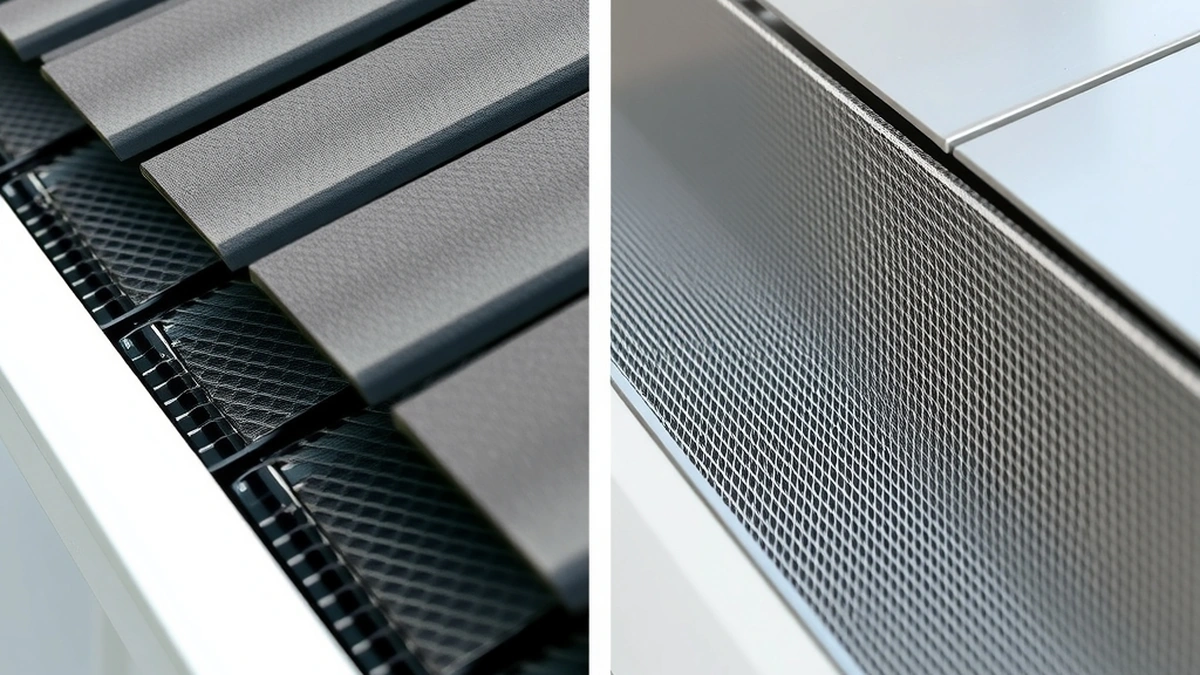
A micro-mesh gutter guard is a woven panel with an aperture small enough to hold back pine needles and shingle grit, usually under a millimeter, fixed over the gutter opening. That definition covers products at both ends of the price range, because it says nothing about alloy, frame, or installation.
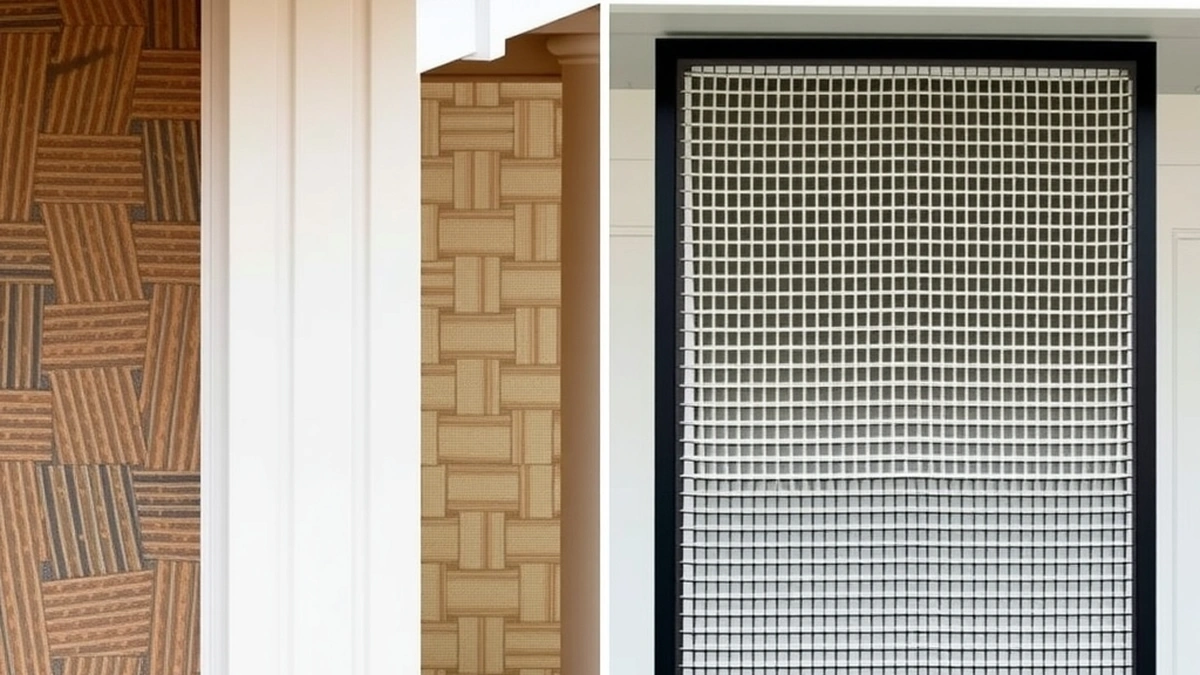
Two panels can both be called micro-mesh and differ on every number that matters:
- Aperture of 0.2 mm versus 1 mm
- Woven stainless versus coated aluminum
- Rigid box frame versus a light U-channel
- Screwed frame versus a clipped kit
A buyer comparing “micro-mesh” to “micro-mesh” is really comparing those four lines.
Aperture First
Aperture is the opening size in the weave, and it decides what passes. A 0.2 mm panel holds shingle granules and most pollen. A 1 mm panel holds leaves and needles but lets grit through. Neither is wrong; they solve different debris loads.
The trade is drainage. A finer aperture passes water more slowly and seals with surface debris sooner. A coarser one drains faster and needs less surface clearing, at the cost of sediment in the trough. On a roof under pines, the fine end earns its price. On a roof under maples, the coarse end performs nearly as well.
Alloy and Frame
Stainless mesh resists tearing, holds a fine weave without distorting, and does not rust in residential service. Coated aluminum is lighter, cheaper, and adequate in mild climates, but the coating can chalk and the weave can deform under snow load.
The frame matters as much as the mesh. A rigid frame keeps the panel flat between fasteners and holds the gutter lip without crushing it. A light channel sags, and a sagging panel pools water, which is the beginning of every overflow complaint.
| Specification | Framed stainless system | DIY coated kit |
|---|---|---|
| Installed cost | $1,800 - $4,500 | $300 - $900 |
| Aperture | Typically 0.2 - 0.6 mm | Typically 0.6 - 1 mm |
| Mesh | Woven stainless | Coated aluminum |
| Frame | Rigid aluminum box | Light U-channel |
| Corners | Fabricated and riveted | Cut and butted |
| Fastening | Screw, bracket, or clip | Clip or short screw |
| Workmanship warranty | Usually included | None |
What the Price Difference Buys
At 200 linear feet, the framed system is $9 to $22.50 per foot ($1,800 ÷ 200 and $4,500 ÷ 200), and the DIY kit is $1.50 to $4.50 per foot ($300 ÷ 200 and $900 ÷ 200). The gap is $1,500 to $3,600 on the same house.
That money buys four things: a finer weave, a rigid frame, fabricated corners, and a crew. The first three are physical and the fourth is labor. On a one-story ranch with four corners, a careful homeowner can close most of the gap. On a two-story with valleys and a wraparound porch, the labor and fittings are the job.
Where the Cheap Version Fails
DIY micro-mesh kits fail at the same three points every time:
- Corners. A butted and sealed joint opens within a season; a riveted mitre does not.
- Long runs. A light channel sags between fasteners, and water pools at the sag.
- The lip. Short screws into a thin lip deform it, and the deformation creates a debris gap.
None of those is a mesh failure. They are frame and fitting failures, which is why the mesh specification alone does not predict how a product will perform.
A fourth difference is support underfoot. A framed panel can take a knee at the fastening points during installation without deforming, which matters on a long run where the crew has to reach the middle. A light kit panel flexes, and a flexed panel rarely sits flat again, so the sag becomes a permanent low spot that pools water.
When Each Version Is the Right Buy
The framed stainless system is the better buy where debris is fine and heavy, the house is two stories, the run is long, or the buyer intends to stay for a decade. The DIY kit is defensible on a one-story outbuilding, a short porch run, or a rental where the goal is keeping leaves out for a few years at low cost.
Between those two positions sits the contractor-installed panel with a mid-range aperture, which is the most common real purchase and the one most quotes describe.
How to Compare Two Micro-Mesh Quotes
- Ask for the aperture in millimeters or microns, in writing.
- Ask for the mesh alloy and the frame gauge.
- Ask how corners are made: fabricated mitre, butt joint, or cover plate.
- Ask for the fastener type and the thickness of the material it goes into.
- Confirm whether removal, cleaning, and fascia repair are included.
- Divide each total by your linear feet and compare the per-foot result.
Two quotes that answer all six can be compared honestly. Two that answer none are being compared on price alone, which is how buyers end up with a premium panel fitted like a cheap kit.
For the cost breakdown, see micro-mesh cost and gutter covers cost. The installation detail is in micro-mesh installation, and the alternative at the same price point is covered in reverse-curve vs micro-mesh. If you are still at the category stage, types of gutter guard sets out all five.
Frequently asked questions
What does micro-mesh vs micro-mesh mean?
It means comparing two products sold as micro-mesh that differ in mesh alloy, aperture size, frame rigidity, and fastening. The name describes a category, not a specification.
Is stainless micro-mesh better than coated aluminum?
Stainless lasts longer and holds a finer weave without tearing, but it costs more. Coated aluminum is adequate in mild climates and fails sooner near salt water.
Does aperture size matter more than mesh material?
Aperture decides what debris passes, so it matters most. Material decides how long the weave survives. A coarse stainless panel blocks less than a fine coated one.
Why do two micro-mesh quotes differ by thousands?
Frame, fittings, access, and labor differ more than the mesh. Two jobs with identical panels can land $1,800 apart on a two-story house with valleys.
Can a DIY micro-mesh kit match an installed system?
On a one-story ranch with a simple roofline, close. It will lack fabricated corners, rigid framing, and a workmanship warranty, which is where the failures usually appear.
Which micro-mesh version lasts longest?
A framed stainless panel with stainless fasteners, installed on sound fascia. The mesh commonly lasts 15 to 25 years, and the frame or fasteners fail first.
Sources
Some links are affiliate links.If you buy through them we may earn a commission at no extra cost to you. We do not accept payment for rankings. Read the full disclosure.