Gutter Guard Maintenance Schedule: What to Expect Yearly
A practical maintenance timeline for gutter guards, including cleaning frequency, inspection points, and realistic costs by guard type.

Most gutter guards need inspection once or twice a year and light debris removal every 12–24 months, depending on tree coverage and guard type.
- Inspection frequency
- 1–2 times per year
- Debris removal
- Every 12–24 months
- Professional cleaning baseline
- $150–$400 per visit
- Micro-mesh installed cost
- $1,800–$4,500
- Reverse-curve installed cost
- $2,000–$5,000
Some links on this page are affiliate links.If you buy through them we may earn a commission at no extra cost to you. We do not accept payment for rankings. Read the full disclosure.
A gutter guard maintenance schedule depends on the type of guard installed, the number of trees near your roofline, and your local climate. Most systems need a visual inspection once or twice a year and light debris removal every 12 to 24 months. Guards reduce how often you clean gutters, but they do not make gutters maintenance-free.
Why a Maintenance Schedule Matters
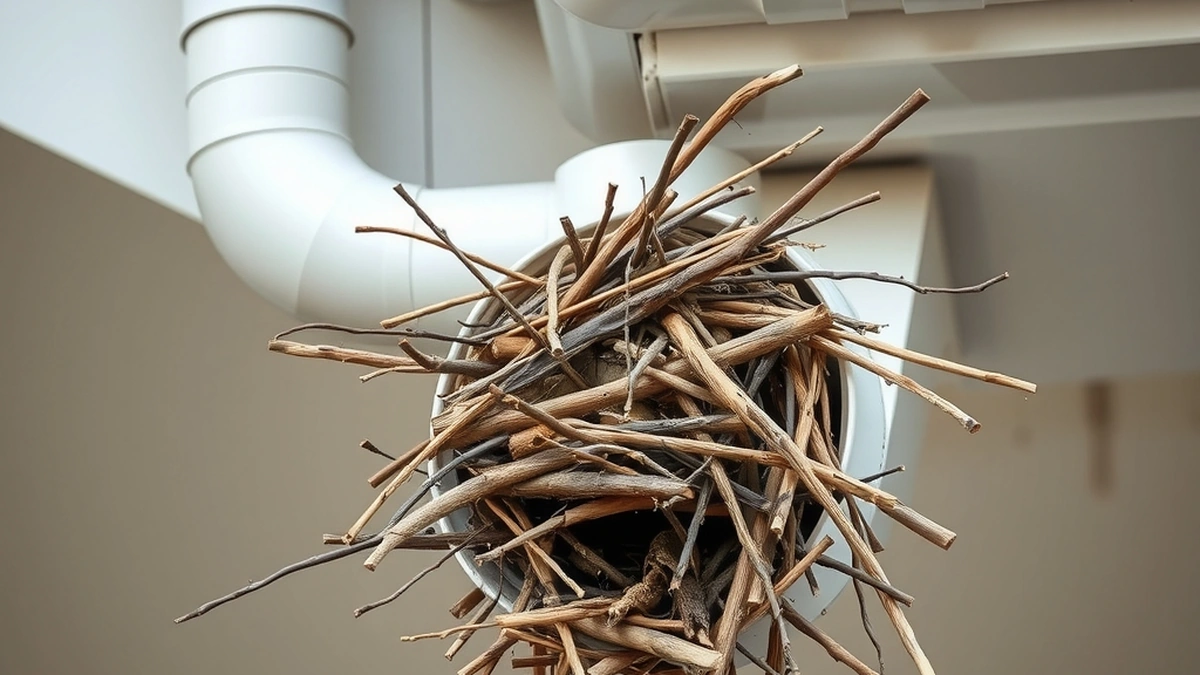
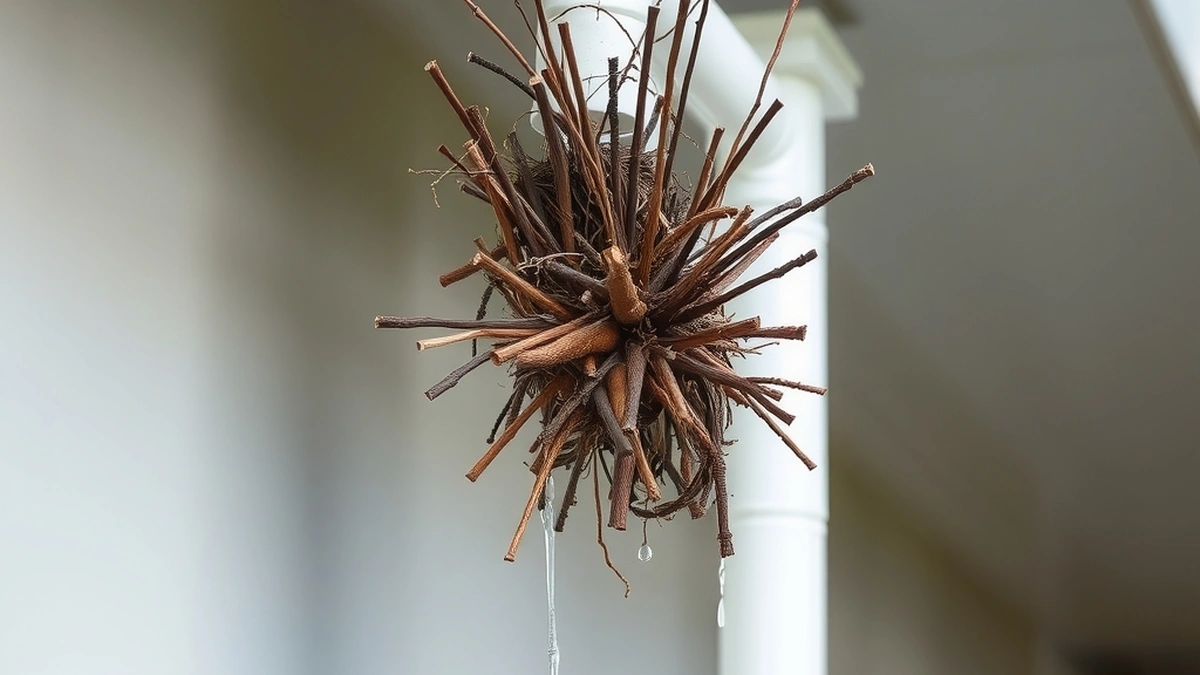
Gutter guards sit between your roof and your downspouts. Over time, pine needles, seed pods, shingle grit, and small leaves can collect on top of the guard or wash into the gutter channel below. If that material is not removed, water can overshoot the gutter during heavy rain, pool near the foundation, or back up under the roof edge.
The cost of ignoring maintenance is higher than the cost of upkeep. A professional gutter cleaning visit typically runs $150 to $400, depending on home size and linear footage. By comparison, installing a micro-mesh guard costs about $1,800 to $4,500 for a typical home, while a reverse-curve system runs roughly $2,000 to $5,000. Spending a few hours per year on inspection protects that investment.
Maintenance Frequency by Guard Type
Not all guards collect debris the same way. The table below shows estimated maintenance needs and installed cost ranges for common types.
| Guard type | Typical inspection interval | Debris removal interval | Installed cost estimate |
|---|---|---|---|
| Micro-mesh | 1–2 times per year | Every 12–24 months | $1,800–$4,500 |
| Reverse-curve | 1–2 times per year | Every 12–24 months | $2,000–$5,000 |
| Screen (DIY) | 1–2 times per year | Every 6–12 months | $300–$900 |
| Brush or foam insert | 2–4 times per year | Every 6–12 months | $200–$800 |
| LeafFilter-style dealer system | 1–2 times per year | Every 12–24 months | $3,000–$8,000 |
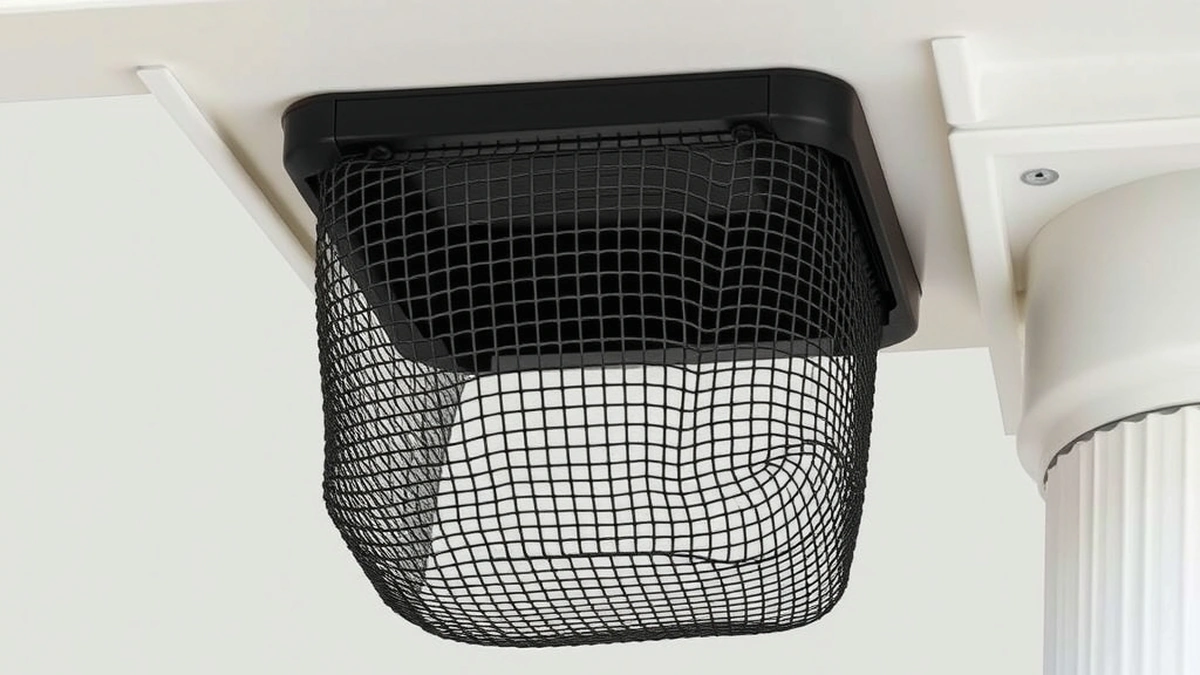
Micro-mesh and reverse-curve guards generally shed larger leaves well, but fine debris such as pine needles can sit on the mesh surface. Screen guards are usually the most affordable DIY option, but the larger openings allow more small debris to enter the gutter, so they may need more frequent checks. Brush and foam inserts sit inside the gutter and can trap debris on top, making them higher maintenance than surface guards.
Seasonal Maintenance Checklist
A simple yearly schedule keeps most systems working as intended.
Late fall, after leaf drop
- Walk the perimeter and look for sagging guards, loose fasteners, or sections pulled away from the fascia.
- Remove large leaves and twigs sitting on top of the guard.
- Check downspout outlets for blockages.
- Run a garden hose into the gutter to confirm water flows through the guard and exits the downspout.
Spring
- Inspect for winter damage, including ice-related warping or fastener pull-out.
- Clear pollen, blossoms, and seed pods that may have collected.
- Verify that gutter pitch has not changed and water still moves toward downspouts.
After major storms
- Check for debris washed onto the roof and onto guards.
- Confirm no guards have shifted or detached.
If your home is surrounded by mature trees, especially pines or oaks, you may need to add a midsummer check. Homes with few trees can often stretch inspections to once every 18 to 24 months.
Cleaning Methods and Safety
Most surface debris can be removed with a soft-bristle brush, a leaf blower on low setting, or a garden hose with a spray nozzle. Avoid pressure washers, which can dent mesh, dislodge fasteners, or force water under shingles.
For two-story homes or steep roofs, use a ladder stabilizer and follow ladder safety practices. The Occupational Safety and Health Administration provides guidance on ladder and fall protection that applies to residential work done by homeowners and contractors alike. If you are not comfortable working at height, hire a professional gutter service. A cleaning visit typically costs $150 to $400 and often includes a basic guard inspection.
Do not use sharp tools to pry debris out of mesh or reverse-curve guards. Puncturing micro-mesh or bending reverse-curve louvers can create gaps that let debris enter and may void manufacturer warranties.
When to Call a Professional
Some maintenance tasks are beyond a DIY scope. Call a professional if you notice:
- Guards pulling away from the fascia or roofline
- Persistent standing water in gutters after rain
- Overflow during moderate rainfall
- Rust, corrosion, or broken fasteners
- Mold or mildew on the fascia board behind the gutter
A professional can reset guards, replace damaged sections, and check whether the gutter pitch is correct. If guards are damaged beyond repair, you may need repair or partial replacement. More information on repair options is available in our gutter guard repair guide.
Cost Context: Maintenance vs. Cleaning vs. Replacement
Routine maintenance is inexpensive if you do it yourself. A garden hose, brush, and leaf blower are tools many homeowners already own. The main cost is time, usually one to three hours per inspection visit depending on home size and linear footage.
Professional cleaning remains the baseline alternative. At $150 to $400 per visit, two cleanings per year cost $300 to $800 annually. Over ten years, that is $3,000 to $8,000—roughly comparable to the installed cost of many guard systems. Guards do not eliminate this cost entirely, but they can reduce the frequency and intensity of cleanings.
If you are weighing guards against ongoing cleaning, our comparison of gutter guards versus gutter cleaning breaks down the trade-offs by home size and tree coverage. For cost details by material, see our guide to how much gutter guard costs. If you are planning a new installation, the gutter guard installation guide covers measurement and fastener basics.
What Maintenance Cannot Fix
No maintenance schedule can correct a poorly installed system. If guards were mounted with the wrong pitch, fastened to rotted fascia, or sized incorrectly for your roof valley, water will bypass the gutter regardless of how often you clean. Guards also cannot stop shingle grit from eventually accumulating in the gutter channel; that grit must be flushed out periodically.
Likewise, guards have a finite lifespan. Exposure to sun, temperature swings, and ice can degrade plastic components over time. Metal systems last longer but may eventually need fastener replacement or recoating. For expected service life by material, see how long gutter guard lasts.
Bottom Line
Set a reminder to inspect your gutter guards once or twice a year, with additional checks after heavy storms or in high-tree areas. Remove surface debris as needed, usually every 12 to 24 months for micro-mesh and reverse-curve systems, and more often for screens, brushes, or foam inserts. Professional cleaning costs $150 to $400 per visit, so even a few DIY inspections per year can reduce long-term expenses. Maintenance will not make gutters permanent, but it is the cheapest way to protect the guard system you already paid for.
Next, compare how much does gutter guard cost, gutter guard installation, gutter guard repair before you commit.
Frequently asked questions
How often should gutter guards be inspected?
Inspect gutter guards at least once a year, ideally in late fall after leaf drop, and again in spring if you have heavy tree coverage.
Do gutter guards eliminate gutter cleaning?
No. Guards reduce debris buildup but do not eliminate the need for occasional cleaning and maintenance.
What is the baseline cost for professional gutter cleaning?
Professional gutter cleaning typically runs $150–$400 per visit, depending on home size and linear footage.
Which gutter guard type needs the most maintenance?
Brush and foam inserts usually require the most attention because debris can collect on top and inside the material.
Can I clean gutter guards myself?
Yes, many homeowners can rinse or brush off surface debris, but use proper ladder safety or hire a pro for two-story homes.
How long do gutter guards typically last?
Lifespan varies by material and installation quality; many metal mesh and reverse-curve systems last 10–20 years with maintenance.
Sources
Some links are affiliate links.If you buy through them we may earn a commission at no extra cost to you. We do not accept payment for rankings. Read the full disclosure.