Gutter Guard Screens: Types and Fit
Compare gutter guard screen types, fit options, and installed costs for DIY and professional systems.
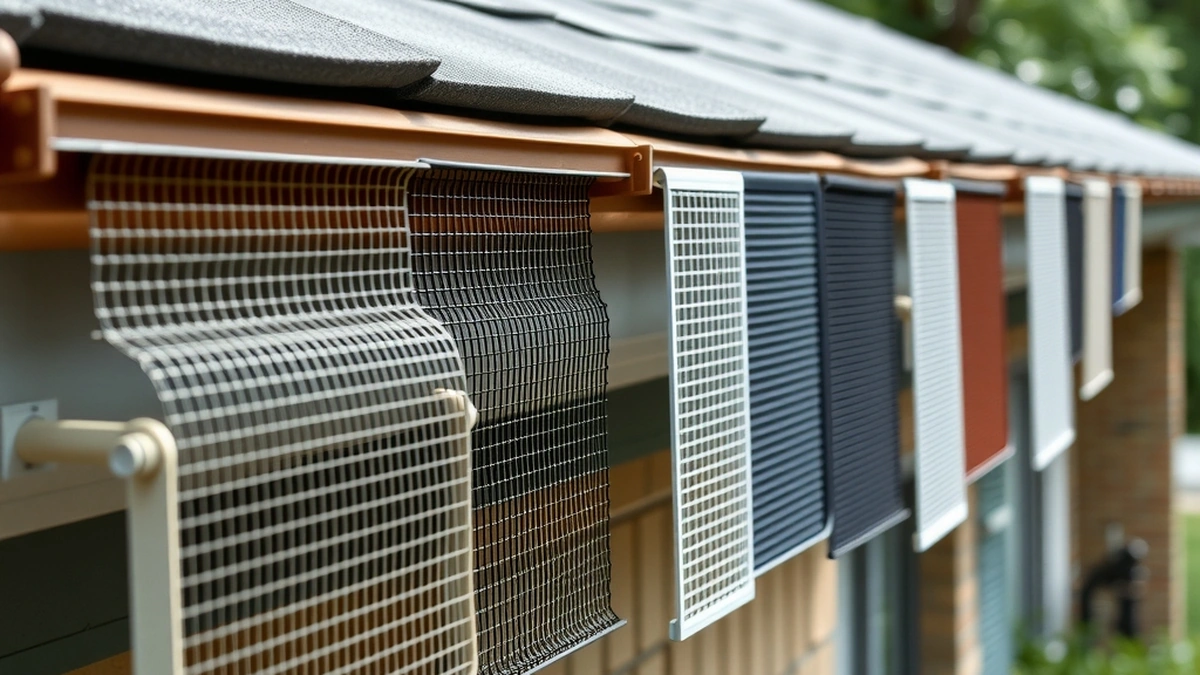
Gutter guard screens are perforated or mesh panels that sit over gutters to block debris while letting water through; DIY screen kits typically cost $300-$900 installed.
- DIY screen guard cost
- $300-$900
- Professional screen/micro-mesh cost
- $1,800-$4,500
- Reverse curve guard cost
- $2,000-$5,000
- Brush or foam insert cost
- $200-$800
- Routine gutter cleaning
- $150-$400
Some links on this page are affiliate links.If you buy through them we may earn a commission at no extra cost to you. We do not accept payment for rankings. Read the full disclosure.
Gutter guard screens are panels or sheets with perforations, slots, or mesh that cover the top of a gutter to keep leaves and debris out while letting water drain through. Choosing the right screen starts with matching the product to your gutter width, hanger style, and roof edge conditions. Fit determines whether water enters the gutter or overshoots the fascia during heavy rain.
Common Screen Types
Gutter guard screens fall into a few broad categories based on material, attachment method, and how they sit on the gutter.
Perforated metal screens are thin sheets of aluminum or steel with punched holes. They are often sold in rolls or pre-cut lengths and attach with screws or hang under the shingles. Hole size matters: larger holes pass more water but admit pine needles and small debris; smaller holes restrict debris but can clog with roof grit.
Wire mesh screens use a woven metal grid stretched over a frame or laid across the gutter. These are common in DIY kits and typically cost less than engineered systems. Mesh screens can sag between fasteners if the span is too wide, creating pockets that hold water and debris.
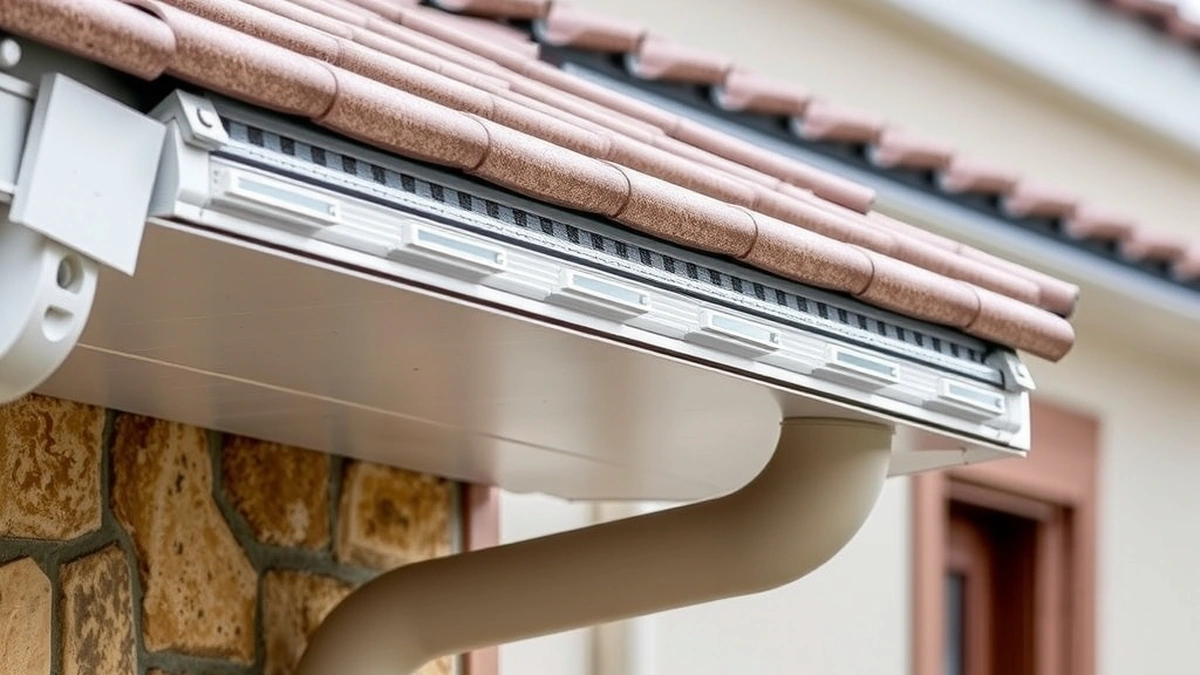
Snap-in or clip screens are pre-formed to match standard K-style or half-round gutters. They lock onto the front lip or slide under the rear hanger. These offer faster installation but leave less room for adjustment if your gutters are out of level.
Surface-tension screens combine a screen face with a curved nose that directs water into the gutter while shedding leaves off the front edge. These blur the line between a screen and a reverse-cover system and usually require professional fitting.
How Fit Affects Performance
Fit is the difference between a screen that works and one that creates new drainage problems. A screen that bows away from the gutter lets debris collect underneath. A screen that sits too high can block water entry during a downpour. A screen that traps leaves against the shingle edge can hold moisture against the roof deck.
Measure the following before buying:
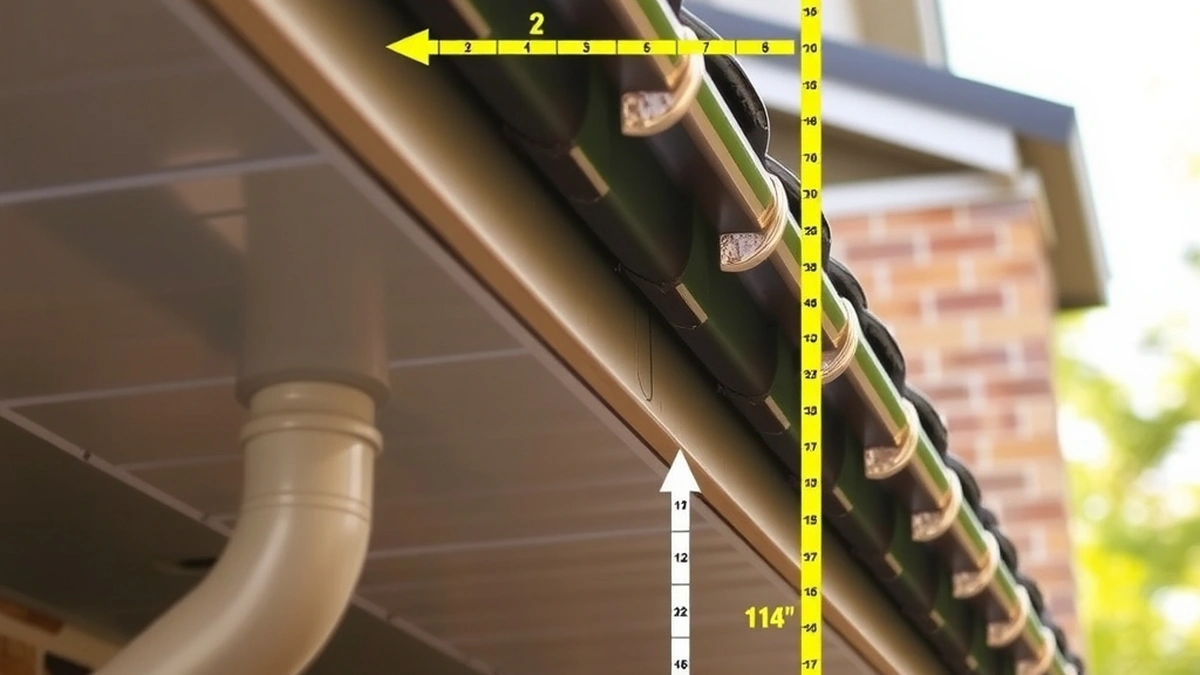
- Gutter width: Most residential K-style gutters are 5 or 6 inches wide. Half-round gutters are typically 5 or 6 inches as well but require a different screen profile.
- Hanger spacing: Spikes and ferrule hangers, hidden hangers, and strap hangers all change where a screen can fasten without interfering with the hanger hardware.
- Roof pitch and shingle overlap: Screens that slide under shingles need enough lift room without breaking the seal. Steep roofs shed water faster, which can overwhelm a screen with small openings.
- Fascia height: The screen must terminate at or below the front edge of the gutter so water does not cascade behind it.
A poor fit often shows up as overshoot in heavy rain or debris dams along the back edge of the gutter. If you are unsure, compare screen options against your existing hanger layout before ordering.
Cost by Installed Method
Costs vary widely depending on whether you install screens yourself or hire a contractor. The figures below are estimates for a typical single-story home with roughly 150 to 200 linear feet of gutter.
DIY screen guard kits generally run $300-$900 for materials. At an estimated $2 per linear foot for basic screen material, 175 linear feet costs about $350 before fasteners and tools. Labor is your own time, but roof work introduces fall risk.
Professionally installed screen or micro-mesh systems average $1,800-$4,500. Using the midpoint of $3,150 for 175 linear feet equals about $18 per linear foot installed. That price usually includes measurement, cutting, fastening, and a workmanship warranty.
Reverse curve guards cost $2,000-$5,000 installed. At $3,500 for 175 linear feet, the installed rate is $20 per linear foot. These systems rely on surface tension rather than a simple screen, so they demand precise pitch alignment.
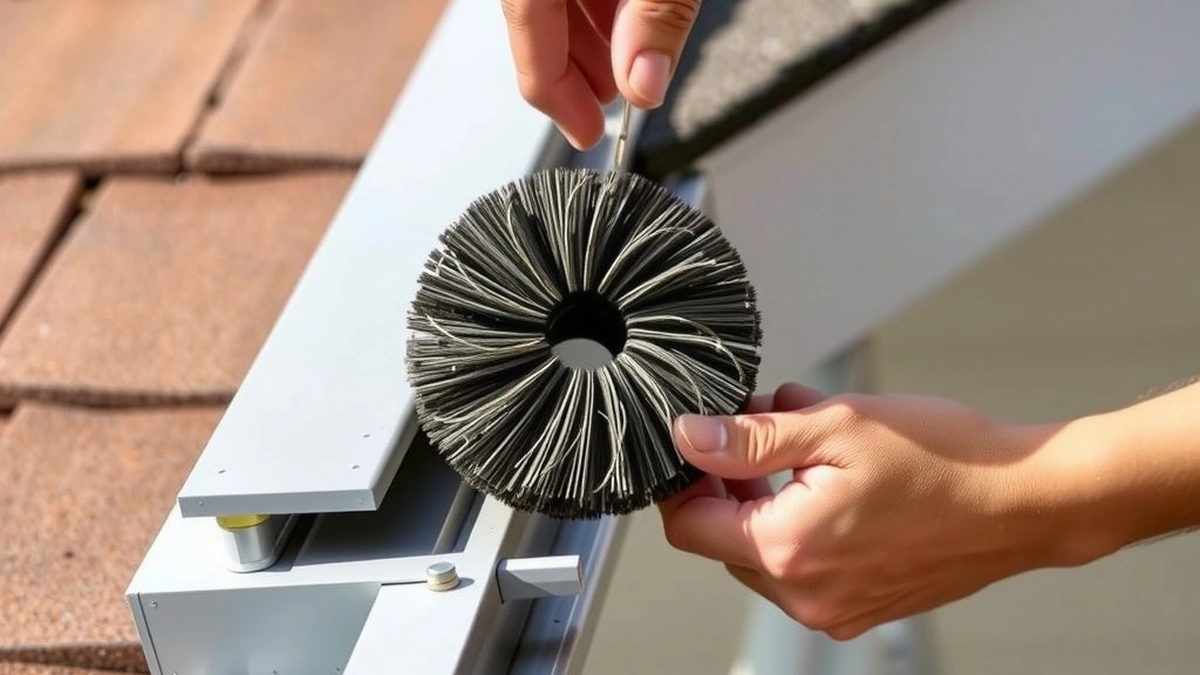
Brush or foam inserts cost $200-$800. These are not screens, but they sit inside the gutter and are sometimes compared against screens by homeowners looking for a low upfront cost. Foam inserts may need replacement every few years as UV exposure breaks the material down.
Routine professional gutter cleaning runs $150-$400 per visit. If screens cut cleaning from twice per year to once every two or three years, the avoided cost can offset part of the screen investment over time, though screens still require periodic inspection.
For more detail on installed pricing across guard types, see /how-much-does-gutter-guard-cost/.
Installation Basics
Screen installation follows a similar sequence regardless of material, though fastening methods differ.
- Clean the gutters and inspect for rust, sagging, or loose hangers. Repair damaged sections first.
- Measure each run and cut screen to length, leaving a small gap at corners and downspout outlets.
- Position the screen so the rear edge sits under the shingles or behind the rear hanger, and the front edge rests on or clips to the gutter lip.
- Fasten at recommended intervals, usually every 2 to 3 feet. Over-fastening can buckle thin metal; under-fastening lets the screen lift in wind.
- Check water flow with a hose. Water should enter the gutter freely, not sheet over the front edge.
OSHA notes that falls from ladders and roofs are a leading cause of residential injury. If your roofline is more than one story, or if you are not comfortable working at height, professional installation is the safer option. For installation expectations, see /gutter-guard-installation/.
Screens vs. Other Guard Methods
Screens occupy the middle ground between low-cost inserts and fully enclosed dealer systems.
Micro-mesh guards, often sold as a premium screen alternative, cost $1,800-$4,500 installed. They use finer mesh than standard screens and usually carry longer warranties, but the installation price reflects dealer measurement and fitting.
LeafFilter-style dealer systems cost $3,000-$8,000 installed. These are proprietary, full-enclosure products sold and installed by a single company. They are not screens in the traditional sense, though they serve the same purpose.
Brush or foam inserts cost $200-$800 and sit inside the gutter rather than covering it. They are inexpensive but tend to collect debris on top and can compress or degrade over time.
If you want to understand whether any guard type eliminates maintenance entirely, see /do-gutter-guards-work/.
Maintenance and Long-Term Fit
Screens reduce debris volume but do not make gutters maintenance-free. Roof grit, pine needles, and seed pods can collect on top of the screen or in the mesh openings. In autumn, leaves can mat across the surface and block water until removed.
Inspect screens at least twice a year, ideally after heavy leaf drop and after winter. Look for:
- Sagging between fasteners
- Loose or missing screws
- Debris piled against the roof edge
- Water overshooting the gutter during rain
Small repairs, such as re-securing a lifted screen section or replacing a rusted fastener, are usually straightforward. Extensive corrosion or storm damage may require partial replacement. For repair guidance, see /gutter-guard-repair/. Ongoing upkeep is covered at /gutter-guard-maintenance/.
Choosing a Screen for Your Home
Start with your gutter dimensions and hanger type, then match the screen opening size to the debris common around your property. Homes with large deciduous leaves can use wider openings; homes with pine trees need finer mesh to keep needles out.
Compare DIY material costs against installed quotes before deciding. A $400 DIY screen kit that needs replacement every five years may cost more over time than a $3,000 professional system with a longer service life, depending on local labor rates and tree cover.
For a broader view of guard categories, including mesh and cover designs, see /mesh-gutter-guards/ and /rain-gutter-covers/. If you want help narrowing to a specific product, see /best-gutter-guard/ for a neutral overview of options.
Next, compare mesh gutter guards, rain gutter covers, do gutter guards work before you commit.
Frequently asked questions
What are gutter guard screens?
Gutter guard screens are flat or rolled panels with holes or mesh that cover the gutter trough to block leaves while allowing rainwater to enter.
How much do screen guards cost?
DIY screen guard kits typically run $300-$900 for materials, while professionally installed screen or micro-mesh systems average $1,800-$4,500.
Do screens fit all gutter types?
No. Screen fit depends on gutter width, hanger style, and roof pitch, so measuring before buying is necessary to avoid gaps or lifting.
Can I install gutter screens myself?
Many screen products are designed for DIY installation using screws, clips, or friction fit, though roof work carries fall risk and should be done carefully.
How often do screens need cleaning?
Screens reduce cleaning frequency but still require periodic inspection and debris removal, typically once or twice per year depending on tree cover.
Are screens better than foam inserts?
Screens generally last longer and handle heavier debris loads than foam inserts, which cost $200-$800 but may degrade faster from UV exposure.
Sources
Some links are affiliate links.If you buy through them we may earn a commission at no extra cost to you. We do not accept payment for rankings. Read the full disclosure.