Do Gutter Guards That Work Actually Keep Debris Out
Independent cost and performance breakdown of gutter guards, including installed prices, cleaning baselines, and what to expect by type.
Yes, but no guard eliminates maintenance entirely. Installed systems cost $1,800-$8,000 and reduce debris, while DIY screens cost $300-$900 and still need seasonal checks.
- Best for heavy tree cover
- Micro-mesh or reverse curve
- Installed cost range
- $1,800-$8,000
- DIY screen cost range
- $300-$900
- Typical professional cleaning
- $150-$400 per visit
- Maintenance after install
- Still required, less frequent
Some links on this page are affiliate links.If you buy through them we may earn a commission at no extra cost to you. We do not accept payment for rankings. Read the full disclosure.
Yes, gutter guards work, but they do not make gutters maintenance-free. Installed systems reduce the volume of leaves and debris that reach the trough, while DIY screens block larger material at a lower upfront cost. Every type still requires inspection and occasional cleaning.
What “Working” Means for a Gutter Guard
A gutter guard that works should keep the majority of leaves, twigs, and pine needles out of the gutter channel while allowing water to flow into the downspout during normal rainfall. It should not sag under snow, pull away from the fascia, or create a shelf where debris collects on top of the guard itself.
No guard stops 100 percent of debris. Fine grit, roof granule runoff, small seeds, and wind-blown dust still enter the system. The question is not whether a guard blocks everything, but whether it reduces cleaning frequency enough to justify the cost.
Cost by Guard Type
Cost is the first filter because price differences between types are large. The figures below are installed or material estimates for a typical single-story home, not quotes from a specific dealer.
| Guard Type | Estimated Cost | Notes |
|---|---|---|
| Micro-mesh guard, installed | $1,800-$4,500 | Fine stainless or aluminum mesh; professional fit |
| Reverse-curve guard, installed | $2,000-$5,000 | Solid cover that directs water over an edge |
| Brush or foam insert | $200-$800 | DIY-friendly; sits inside the gutter |
| Screen guard, DIY | $300-$900 | Basic mesh or plastic screen; homeowner installs |
| LeafFilter-style dealer system | $3,000-$8,000 | Branded dealer-installed micro-mesh with warranty |
| Professional gutter cleaning | $150-$400 | Baseline cost per visit, varies by home size and region |
To see how the math compares, imagine a home that needs professional cleaning twice per year at $250 per visit. That is $500 annually. Over ten years, routine cleaning costs about $5,000. A micro-mesh system installed for $3,000 might cut cleanings to once every two or three years, but it will not eliminate them. A $500 DIY screen might extend the interval by one season, but the homeowner still climbs a ladder to check it.
Micro-Mesh Guards
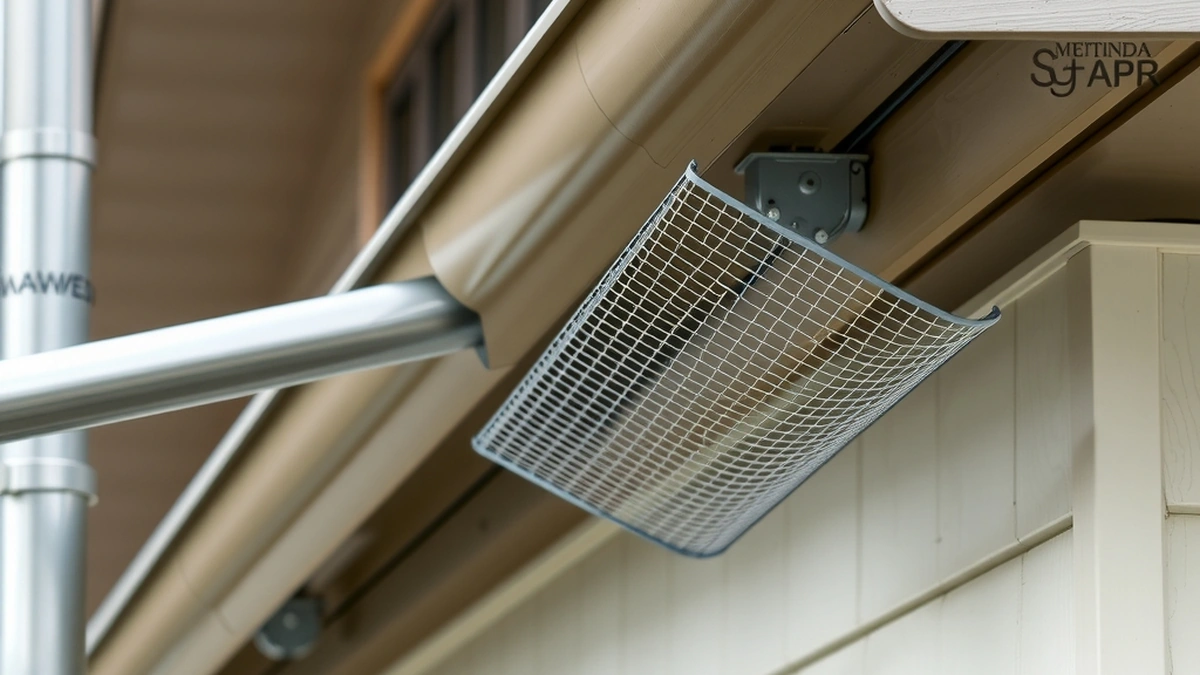
Micro-mesh guards use a fine screen stretched over the gutter or mounted on a frame. They are effective at blocking leaves and most pine needles, which is why they are common in heavily wooded areas. The tradeoff is cost: installed micro-mesh typically runs $1,800-$4,500, and dealer-branded versions can reach $3,000-$8,000.
These systems still collect small debris on top of the mesh. In dry weather, that material can blow off. In damp climates, it can form a mat that slows water entry. Homeowners should expect to brush the surface occasionally and check the gutters after heavy fall leaf drop.
Reverse-Curve and Solid Covers
Reverse-curve guards use a solid surface that lets water cling to the edge and drip into the gutter while leaves fall to the ground. They perform well in areas with large leaves and moderate rainfall, but heavy downpours can overshoot the gutter if the roof pitch and guard angle are not matched correctly.
Installed reverse-curve systems generally cost $2,000-$5,000. Because they are solid, they can hide debris buildup at the roof edge, and snow or ice may sit on top longer than on an open gutter. Inspect them after winter storms to confirm water is entering the gutter, not running behind it.
DIY Screens, Brushes, and Foam Inserts
DIY screens cost $300-$900 for materials and are the most affordable entry point. Brush or foam inserts run $200-$800 and sit inside the gutter trough. These options work best for homeowners who are comfortable on a ladder and want to reduce large-leaf accumulation without hiring a contractor.
The downside is durability and access. Foam can break down after a few seasons. Brushes trap debris in the bristles and must be pulled out and rinsed. Screens often need to be removed so the gutter underneath can be scooped clean. If the goal is to avoid ladder work entirely, these are not the right choice.
What Guards Do Not Fix
Gutter guards do not correct improper pitch, sagging hangers, or undersized downspouts. If water already overflows because the gutter slopes away from the downspout, adding a guard will not solve it. The gutter system itself must be sound before any cover is installed.
Guards also do not eliminate ice dams. Ice dams form from attic heat loss and roof temperature differences, not from the presence or absence of a gutter cover. A guard may change how snow sits at the edge, but insulation and ventilation are the primary controls.
Maintenance Expectations After Installation
Even the best gutter guards that work require a maintenance schedule. Plan for these checks:
- Inspect after major storms to confirm water is entering the downspout.
- Remove surface debris from mesh or solid covers once or twice per year.
- Check fasteners and seals every few years to make sure the guard has not pulled away from the fascia.
- Flush the gutters and downspouts annually to clear fine sediment that passes through any screen.
Professional cleaning still makes sense every few years for a full flush, especially on two-story homes where ladder work adds risk. The U.S. Occupational Safety and Health Administration notes that falls remain a leading cause of residential injury, so homeowners should weigh the cost of professional service against the risk of DIY roof-edge work.
Choosing Based on Your Surroundings
Tree type matters more than brand name. Homes under deciduous trees with large leaves benefit from reverse-curve or screen guards. Homes under pine trees need fine micro-mesh to block needles. Homes with minimal tree cover may not need guards at all; twice-yearly cleaning at $150-$400 per visit may cost less than a guard system over a decade.
For more detail on specific materials, see our guides on mesh gutter guards, rain gutter covers, and gutter guard screens. Cost breakdowns are covered in how much does gutter guard cost, and installation expectations are in gutter guard installation. If an existing guard is damaged, gutter guard repair explains common failure points, and gutter guard maintenance covers seasonal upkeep. Our best gutter guard roundup compares types by use case rather than dealer claims.
Gutter guards work when they are matched to the debris profile and installed on a sound gutter system. They reduce work, but they do not end it.
Frequently asked questions
Do gutter guards stop all debris?
No. Guards reduce leaves and large debris, but fine particles, pine needles, and seed pods can still enter gutters and require periodic removal.
How much do installed gutter guards cost?
Installed systems generally range from $1,800 to $8,000 depending on material, home size, and whether a dealer or local contractor performs the work.
Are DIY gutter screens effective?
DIY screens cost $300-$900 and can block larger leaves, but they often need seasonal removal and reinstallation for cleaning underneath.
Do I still need to clean gutters with guards?
Yes. Guards reduce cleaning frequency but do not eliminate it. Expect to inspect and clear small debris at least once or twice per year.
What is the cheapest gutter guard option?
Brush or foam inserts typically cost $200-$800 and are the lowest upfront option, though they may degrade faster and need more frequent replacement.
Can gutter guards cause ice dams?
Guards do not directly cause ice dams, but any roof edge addition can affect snow melt patterns; proper attic insulation and ventilation matter more.
Sources
Some links are affiliate links.If you buy through them we may earn a commission at no extra cost to you. We do not accept payment for rankings. Read the full disclosure.