Gutter Guard Installation: What It Involves
A practical look at gutter guard installation methods, costs, labor, and what homeowners should expect before hiring or starting a DIY job.
Gutter guard installation means fitting protective covers over existing gutters to block debris. Costs range from about $200 for inserts to $8,000 for dealer systems, depending on the product and labor.
- Project scope
- Fit guards over existing gutters; may include cleaning and minor repairs
- DIY cost range
- $200–$900 for screens, brushes, or foam inserts
- Professional install cost range
- $1,800–$8,000 for micro-mesh, reverse curve, or dealer systems
- Typical labor time
- One to two days for an average single-story home
Some links on this page are affiliate links.If you buy through them we may earn a commission at no extra cost to you. We do not accept payment for rankings. Read the full disclosure.
Gutter guard installation means fitting a protective cover over an existing gutter system so leaves, pine needles, and debris stay out while water flows through. The job can range from snapping in foam inserts to fastening micro-mesh panels under roof shingles. Costs depend heavily on the guard type, roof height, and whether a homeowner or contractor performs the work.
What Gutter Guard Installation Actually Means
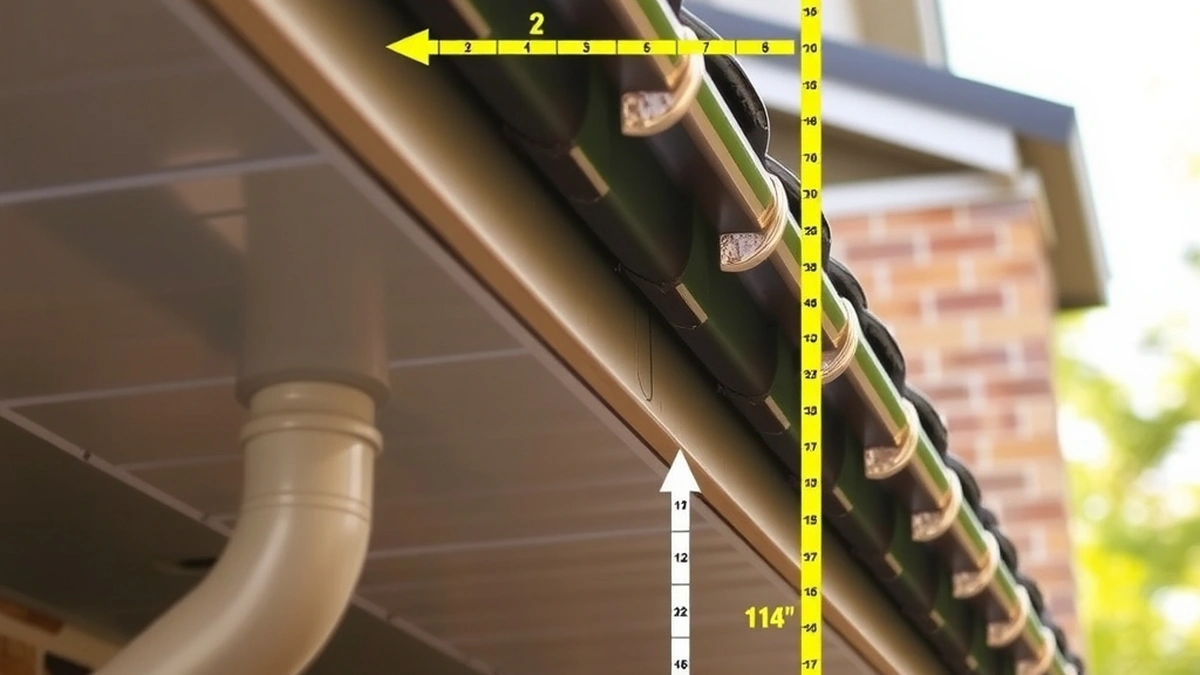
Installation starts with the gutters already in place. Guards are not a replacement for gutters; they are an add-on layer that sits on top, inside, or alongside the trough. A complete job usually includes inspecting the existing gutters, clearing out debris, sealing or rehanging loose sections, cutting the guard material to length, attaching it with screws or clips, and running water through the system to confirm drainage.
Because the work happens at roof edge height, fall protection and ladder safety matter. The Occupational Safety and Health Administration (OSHA) addresses fall hazards for work performed six feet or more above a lower level, which covers most residential gutter projects. Homeowners hiring a contractor should confirm the company carries liability insurance and follows safe ladder practices.
Common Installation Methods by Guard Type
Different products attach in different ways, and the method determines whether the job is realistic as a DIY project.
- Screen guards: Sheets of perforated metal or plastic lay across the gutter opening or snap into place. These are the most DIY-friendly option. Material costs typically run $300–$900 for an average home.
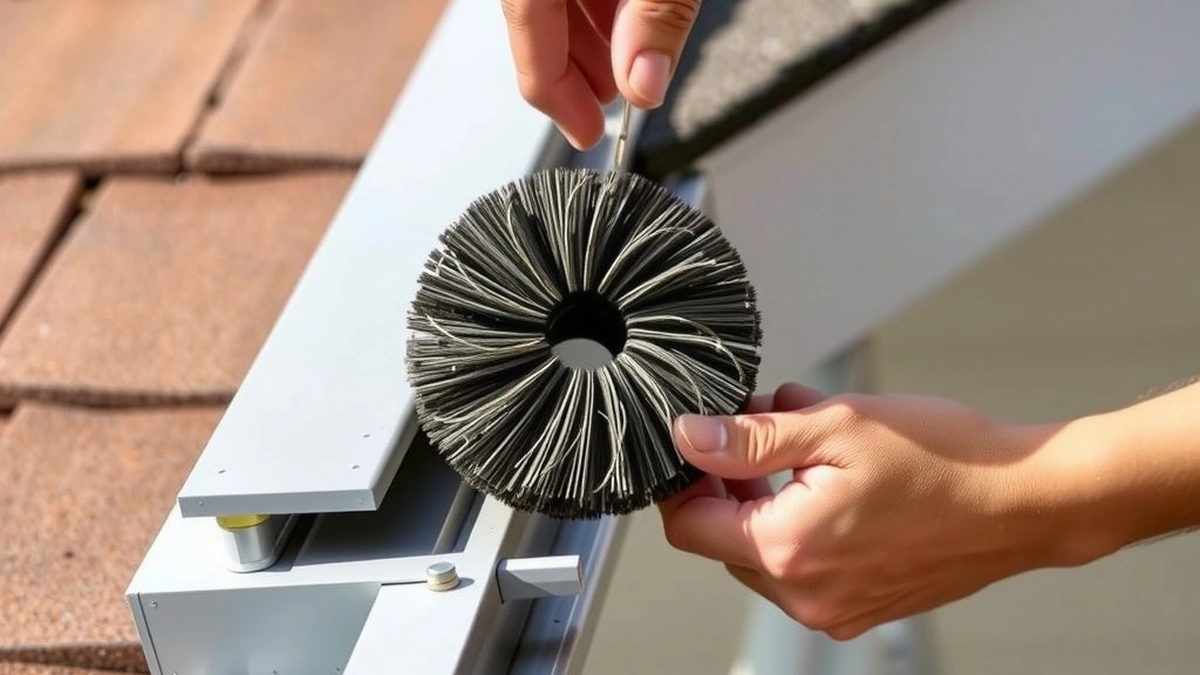
- Brush or foam inserts: Cylindrical brushes or porous foam blocks sit inside the gutter. They require no fasteners in many cases and cost roughly $200–$800 installed or as a DIY material package.
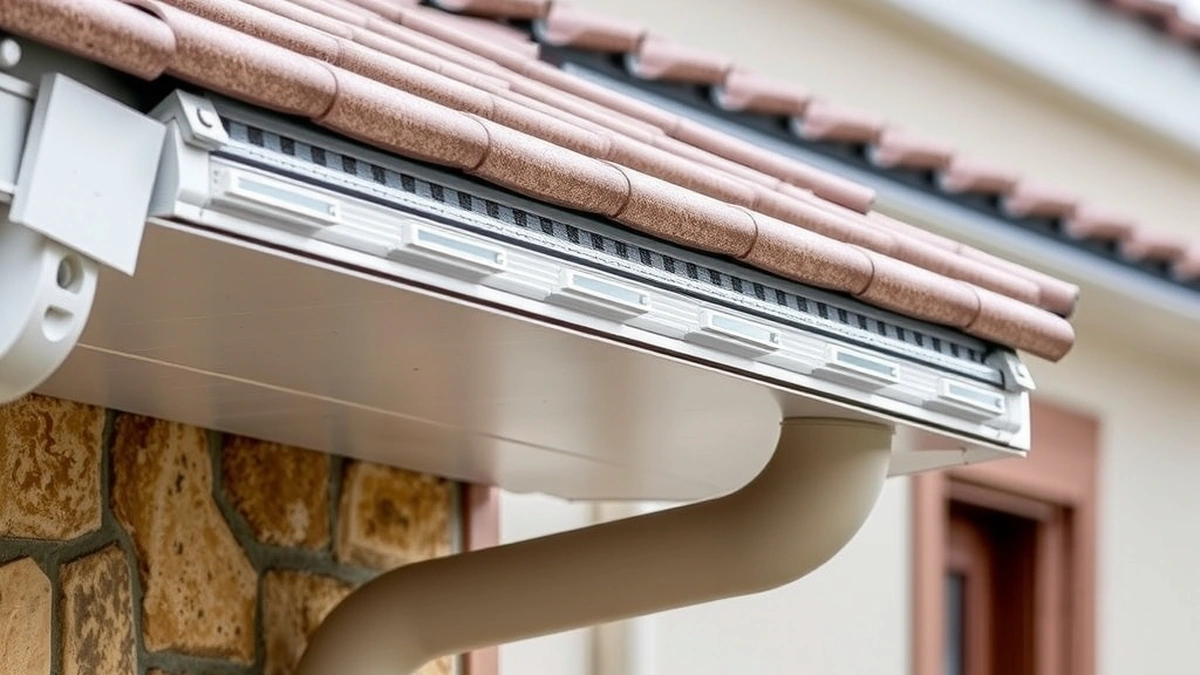
- Micro-mesh guards: Fine stainless steel mesh is screwed into the gutter front lip or tucked under the shingles. Professional installation usually costs $1,800–$4,500.
- Reverse curve guards: Solid covers direct water over a curved edge into the gutter while debris falls to the ground. Installed prices typically fall between $2,000 and $5,000.
- Dealer-branded systems: Proprietary micro-mesh products sold and installed by a single company, often with a lifetime warranty. These generally cost $3,000–$8,000 installed.
Screen and insert products are the only categories most homeowners can install without specialized tools. Micro-mesh, reverse curve, and dealer systems usually require ladders, power drivers, roof access, and precise measuring, which is why labor makes up a large share of the price.
Cost Breakdown by System
The table below shows installed cost estimates for a typical single-story home with approximately 150 to 200 linear feet of gutter. Actual quotes vary by region, roof pitch, gutter condition, and local labor rates.
| Guard Type | Installed Cost Estimate | Typical Buyer |
|---|---|---|
| Brush or foam insert | $200–$800 | Budget-conscious DIYers |
| Screen guard (DIY materials) | $300–$900 | Homeowners comfortable on a ladder |
| Micro-mesh guard | $1,800–$4,500 | Homeowners wanting low-maintenance protection |
| Reverse curve guard | $2,000–$5,000 | Homes with heavy leaf or pine needle fall |
| Dealer-branded system | $3,000–$8,000 | Buyers wanting a single-source warranty |
To see how the math works, consider a home with 180 linear feet of gutter. If a contractor quotes $25 per linear foot installed for micro-mesh, the material and labor total is 180 × $25 = $4,500. If the same home needs a baseline cleaning first at $250, the full project cost is $4,500 + $250 = $4,750. These figures are estimates, not quotes.
For comparison, routine professional gutter cleaning without guards usually costs $150–$400 per visit. Over ten years, two cleanings per year at $250 each would total $5,000, which helps explain why some homeowners view guard installation as a long-term offset to recurring cleaning bills.
What Happens During a Professional Install
A professional crew generally follows these steps:
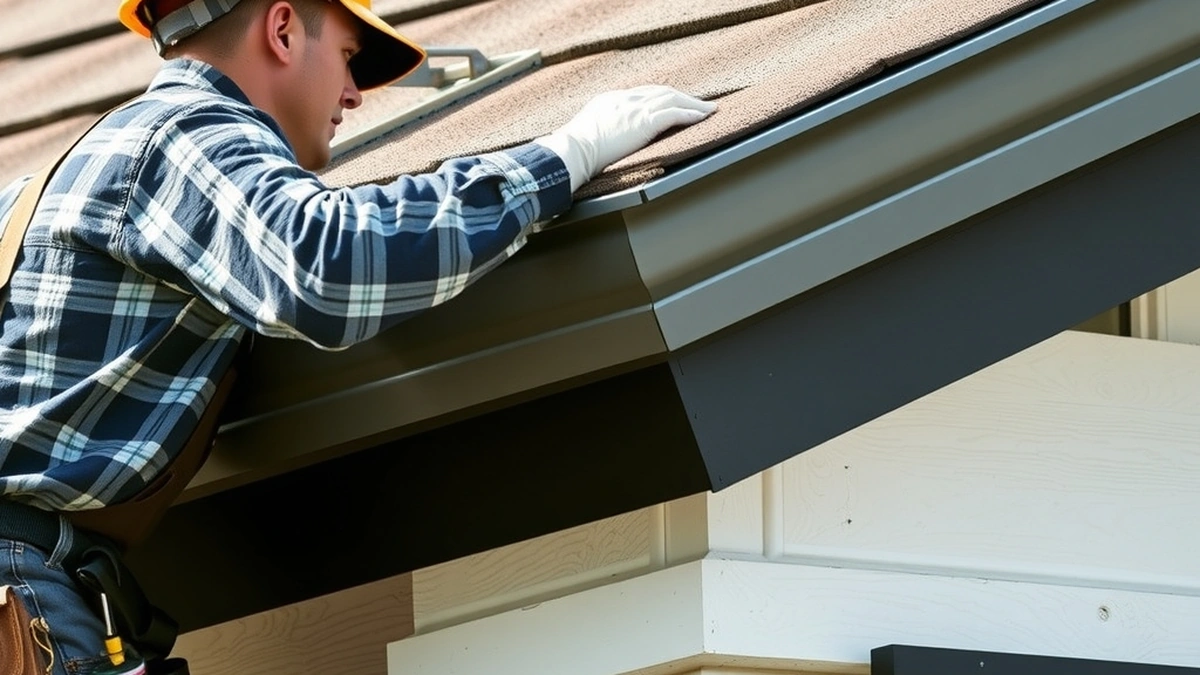
- Inspection and cleaning: Technicians check for sagging gutters, loose hangers, rust, and leaks. They remove debris and flush the downspouts. Skipping this step can trap leaves inside the gutter beneath the guard.
- Repairs: Damaged sections are rehung or sealed before guards go on. Installing over broken gutters can void product warranties and cause overflow.
- Measurement: Crews measure gutter runs, corners, and downspout locations to order or cut guard lengths accurately.
- Attachment: Screens and micro-mesh panels are fastened to the gutter front edge or under the shingles. Reverse curve units are hung from the fascia or roof deck depending on the design.
- Sealing and fastening: Screws are driven into the fascia or gutter lip, and joints are sealed where required. Roof penetration is minimized to avoid shingle warranty issues.
- Water test: The crew runs a hose through the system to confirm water enters the gutter and exits the downspouts without overshooting.
Most jobs on an average single-story home take one to two days. Steep roofs, multi-story homes, or extensive fascia repair can add time and labor cost.
DIY Installation: What to Expect
Homeowners who choose screen, brush, or foam products can usually complete the job in a weekend. The main tools are a ladder, gloves, tape measure, tin snips or scissors, and a drill or screwdriver. Safety is the biggest limitation. Working from a ladder at eave height exposes the installer to fall risk, and OSHA’s general fall-protection guidance applies even to DIYers working above six feet.
DIY installation avoids labor charges, but material warranties may differ from professionally installed systems. Some manufacturers only honor warranties when a certified dealer performs the work. Before buying, homeowners should check whether self-installation affects coverage.
Repairs and Maintenance After Installation
Gutter guards reduce debris volume, but they do not make gutters maintenance-free. Fine particles such as pine needles, seed pods, and roof grit can still collect on top of or inside guards. Homeowners should inspect the system at least once a year, ideally after heavy fall leaf drop and before winter snow.
If a guard becomes loose, dented, or clogged, water can overshoot the gutter and stain siding or erode the foundation. Minor repairs may involve re-fastening a panel or clearing a downspout screen. More extensive damage may require removing and replacing sections of the guard. For guidance on upkeep after installation, see our overview of gutter guard maintenance, and for fixing damaged components, see gutter guard repair.
Choosing Between DIY and Professional Installation
The decision usually comes down to product type, roof height, and comfort with ladder work. Screen and insert products are affordable and straightforward enough for many homeowners. Micro-mesh, reverse curve, and dealer systems carry higher material costs and installation complexity, making professional installation the more common choice.
Homeowners should also weigh the cost of guards against continued cleaning. A $3,000 micro-mesh system may eliminate several years of $150–$400 cleaning visits, but it will not eliminate all maintenance. For a side-by-side look at ongoing service versus one-time installation, see gutter guard vs gutter cleaning. For broader pricing context, including cost per square foot, see gutter guard cost per square foot. To compare products before buying, see best gutter guard.
Installation success depends more on the condition of the existing gutters than on the brand of guard. Clean, level, securely hung gutters allow any guard type to perform as intended. Damaged or poorly pitched gutters will overflow regardless of what sits on top.
Next, compare how much does gutter guard cost, gutter guard repair, gutter guard maintenance before you commit.
Frequently asked questions
What does gutter guard installation include?
It typically includes inspecting and cleaning gutters, making minor repairs, measuring and cutting guards, fastening them to the gutter or roof edge, and testing water flow.
Can I install gutter guards myself?
Yes. Screen, brush, and foam inserts are DIY-friendly and usually cost $200–$900 for materials, though micro-mesh and reverse-curve systems often require professional tools and experience.
How much does professional gutter guard installation cost?
Installed prices range from roughly $1,800 to $4,500 for micro-mesh, $2,000 to $5,000 for reverse curve, and $3,000 to $8,000 for dealer-branded systems such as LeafFilter-style products.
Do I need to clean gutters before installing guards?
Yes. Installing over clogged or damaged gutters traps debris and water inside. A baseline professional cleaning usually costs $150–$400 and should happen first.
How long does installation take?
Most professional crews finish an average single-story home in one to two days. Larger homes, steep roofs, or extensive repairs can extend the timeline.
Will gutter guards eliminate gutter cleaning forever?
No. Guards reduce debris buildup but do not remove all maintenance. Periodic inspection and light cleaning are still recommended to protect the warranty and drainage performance.
Sources
Some links are affiliate links.If you buy through them we may earn a commission at no extra cost to you. We do not accept payment for rankings. Read the full disclosure.