Types of Gutter Guard: Which One Is Right?
Compare the different types of gutter guards and find out which protects your roof best.
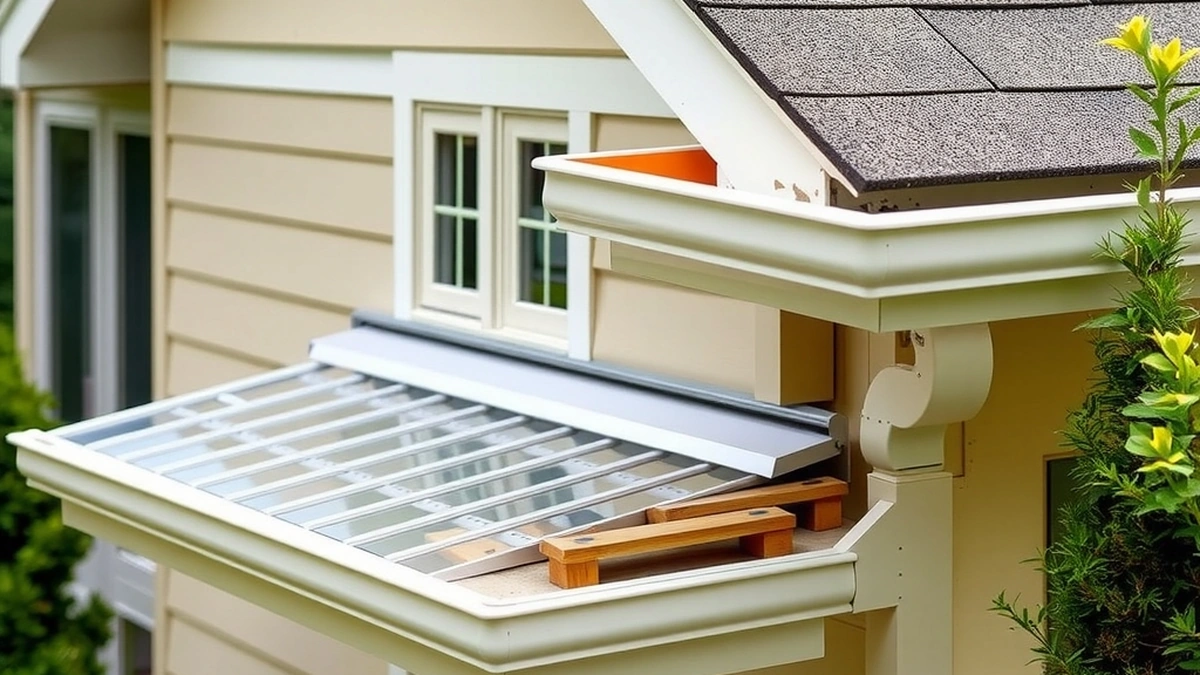
There are four main types of gutter guards: micro-mesh, reverse curve, brush/foam, and screen. Micro-mesh and reverse curve are installed professionally ($2,000-$5,000), while brush/foam and screen can be DIY ($200-$800).
- Typical range
- Varies by system and site
- First step
- Measure the space and confirm the load
- Professional help
- Recommended for structural or electrical work
Some links on this page are affiliate links.If you buy through them we may earn a commission at no extra cost to you. We do not accept payment for rankings. Read the full disclosure.
There are five types of gutter guard sold in the US: micro-mesh, reverse-curve, brush inserts, foam inserts, and screens, with dealer-sold filter systems as a sixth product built on the mesh idea. They range from $200 to $8,000 installed, and the expensive ones are not automatically the right ones. The choice comes down to debris size, run length, roof height, and how much climbing you want to avoid.
The Five Types
A gutter guard is a cover or insert that keeps debris out of the gutter while letting water in. The five types do that in different ways, and the method decides what each one can and cannot stop.
- Micro-mesh strains water through a woven panel with apertures under about a millimeter.
- Reverse-curve uses surface tension to carry water around a curved nose while debris slides off.
- Brush inserts fill the trough with stiff bristles that water passes through.
- Foam inserts fill the trough with an open-cell foam that water passes through.
- Screens are a coarse sheet laid over the opening.
Dealer systems are fine mesh panels sold with installation and service under one contract. They behave like micro-mesh and are priced above it.
Micro-Mesh
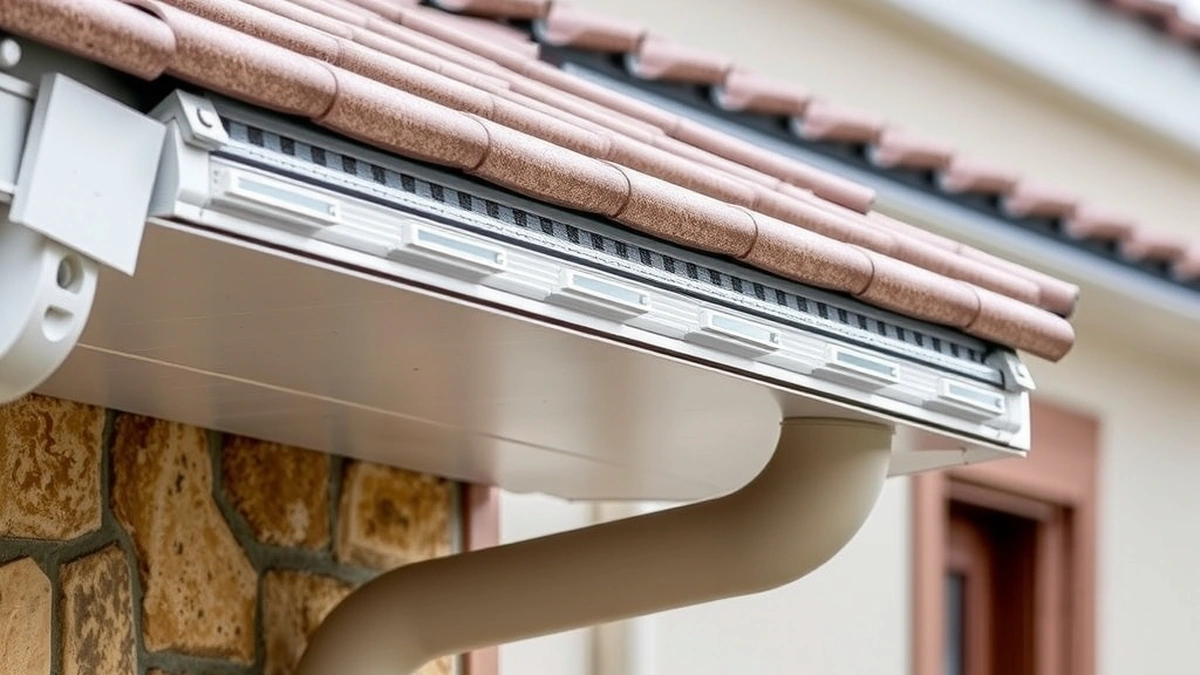
Micro-mesh is the filtration end of the market. A stainless or coated-aluminum weave with 0.2 to 1 mm openings holds leaves, pine needles, and most shingle grit on the surface while water drains through.
It is the only type that addresses fine debris, which is why it is specified under pines, firs, and aging roofs. The trade is that a fine surface can blanket with wet leaves or pollen and needs brushing once or twice a year.
Installed cost is $1,800 to $4,500, or $9.00 to $22.50 per foot on a 200-foot run. Most of that is the frame, the fabricated corners, and the labor, not the mesh. For the grades within the category, see micro-mesh vs micro-mesh.
Reverse-Curve
Reverse-curve is the shedding end. A solid curved cover guides water around its nose and into the trough; leaves slide off the front and never enter the gutter.
It handles large leaves better than anything else on the list and needs almost no surface clearing. What it does not handle is capacity: when rainfall exceeds what the curve can carry, water goes over the front. It also passes needles and grit with the water film, so the trough still collects fines.
Installed cost is $2,000 to $5,000, or $10.00 to $25.00 per foot at 200 feet. It suits long, straight runs under maples and oaks with generous downspout capacity.
Brush, Foam, and Screen
These three are the budget group, and they share a limitation: none of them filters.
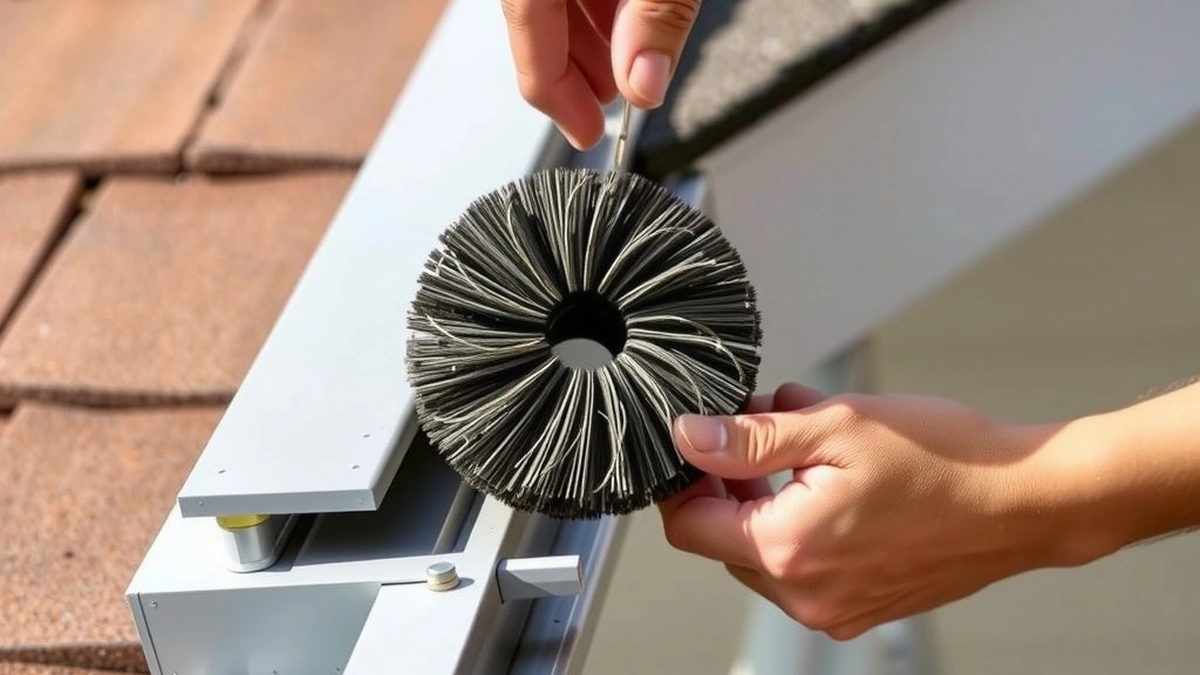
A brush insert is a polypropylene cylinder laid in the trough. A foam insert is a shaped open-cell strip that does the same job. Both sit in the water path, hold large debris above the water line, and let fines settle underneath. Both need lifting and shaking out once or twice a year.
A screen is a coarse sheet over the opening. It stops large leaves and passes everything smaller. It is the cheapest product that covers the gutter, and the easiest to fit.
Costs run $200 to $800 for brush or foam and $300 to $900 for a DIY screen. None of the three is a sensible choice under pines, and all three are reasonable on a short run under oaks.
Dealer Systems
A dealer system is a fine mesh panel sold, installed, and serviced by one company. The product is close to micro-mesh; the difference is the contract.
That contract is what the $3,000 to $8,000 price buys: a single point of accountability if the panel fails or the gutter backs up. Whether it is worth two to four times the price of an equivalent mesh installation depends on how much you value that, and on how long the service terms actually run.
Read the warranty before comparing totals. A lifetime panel warranty that excludes labor is worth less than a ten-year warranty that includes the visit.
Side by Side
| Type | Installed cost | Per foot at 200 ft | Handles | Passes |
|---|---|---|---|---|
| Micro-mesh | $1,800–$4,500 | $9.00–$22.50 | Leaves, needles, grit | Almost nothing |
| Reverse-curve | $2,000–$5,000 | $10.00–$25.00 | Whole leaves, twigs | Needles, grit |
| Brush insert | $200–$800 | $1.00–$4.00 | Large leaves | Fines, grit |
| Foam insert | $200–$800 | $1.00–$4.00 | Large leaves | Fines, grit |
| Screen | $300–$900 | $1.50–$4.50 | Large leaves | Needles, grit |
| Dealer system | $3,000–$8,000 | $15.00–$40.00 | Leaves, needles, grit | Almost nothing |
For context, a professional cleaning is $150 to $400 a visit, so two visits a year costs $300 to $800 and ten years costs $3,000 to $8,000. That is the number every guard is competing against, and it is why the premium products are not automatically a saving.
Choosing in Four Questions
- What falls on the roof? Needles and grit point to micro-mesh; whole leaves can go either to reverse-curve or to a cheaper barrier.
- How long is the run, and how many stories? Long and tall favors a fabricated system; short and low favors inserts or screens.
- How many downspouts? Fewer than one per 35 feet makes reverse-curve overflow likely.
- Is the gutter sound? Loose hangers, separated seams, or standing water have to be repaired before any cover goes on.
If the answers point to a premium system, get two quotes that state footage, per-foot price, aperture or curve specification, and what is excluded. If they point to the budget group, buy by measured length and accept that cleaning continues.
For the cost detail by type, see gutter guard cost and gutter guard cost per square foot. The installation side is in gutter guard installation, the comparison of the two premium designs in reverse-curve vs micro-mesh, and the budget route in diy gutter guard.
Bottom Line
Micro-mesh is the type for fine debris, reverse-curve for heavy leaves on long runs, and inserts or screens for a tight budget on a short, simple roof. Dealer systems are a service contract wrapped around a mesh panel and priced accordingly. Choose by debris and access, then compare quotes on the same footage and the same fittings.
Frequently asked questions
What is the cheapest way to install a gutter guard?
Brush or foam inserts cost between $200 and $800 and can be installed DIY.
How much does a professional mesh guard installation cost?
Micro-mesh guards typically run between $1,800 and $4,500 installed.
Are leaf filter systems worth the high price?
Dealer-style leaf filter systems cost between $3,000 and $8,000 but may require frequent cleaning.
What is a reasonable baseline for gutter cleaning?
Expect to pay between $150 and $400 per professional cleaning job.
Does a reverse curve guard work well on all roof pitches?
Reverse curve guards are highly effective but require professional installation due to their specialized design.
Can DIY screen guards handle heavy winter debris?
Screen guards are effective for light autumn leaves but may clog quickly in heavy snow or pine needles.
Sources
Some links are affiliate links.If you buy through them we may earn a commission at no extra cost to you. We do not accept payment for rankings. Read the full disclosure.