Best gutter guards
Best gutter guards: practical numbers, costs, and trade-offs, written independently.
Best gutter guards: practical numbers, costs, and trade-offs, written independently. The guide below shows the numbers and the trade-offs.
- Typical range
- Varies by system and site
- First step
- Measure the space and confirm the load
- Professional help
- Recommended for structural or electrical work
Some links on this page are affiliate links.If you buy through them we may earn a commission at no extra cost to you. We do not accept payment for rankings. Read the full disclosure.
There is no single best gutter guard, only the best guard for a particular roof. The four categories that cover almost every US house, micro-mesh, reverse-curve, brush or foam inserts, and screens, sit at different price points and fail in different ways. Match the category to your debris and roofline first, then compare products inside it.
The Four Categories
A gutter guard is a cover fixed over the gutter opening that admits water and excludes debris. The categories differ in how they do that exclusion, and the difference decides almost everything else.
- Micro-mesh strains water through a woven panel with apertures under about a millimeter.
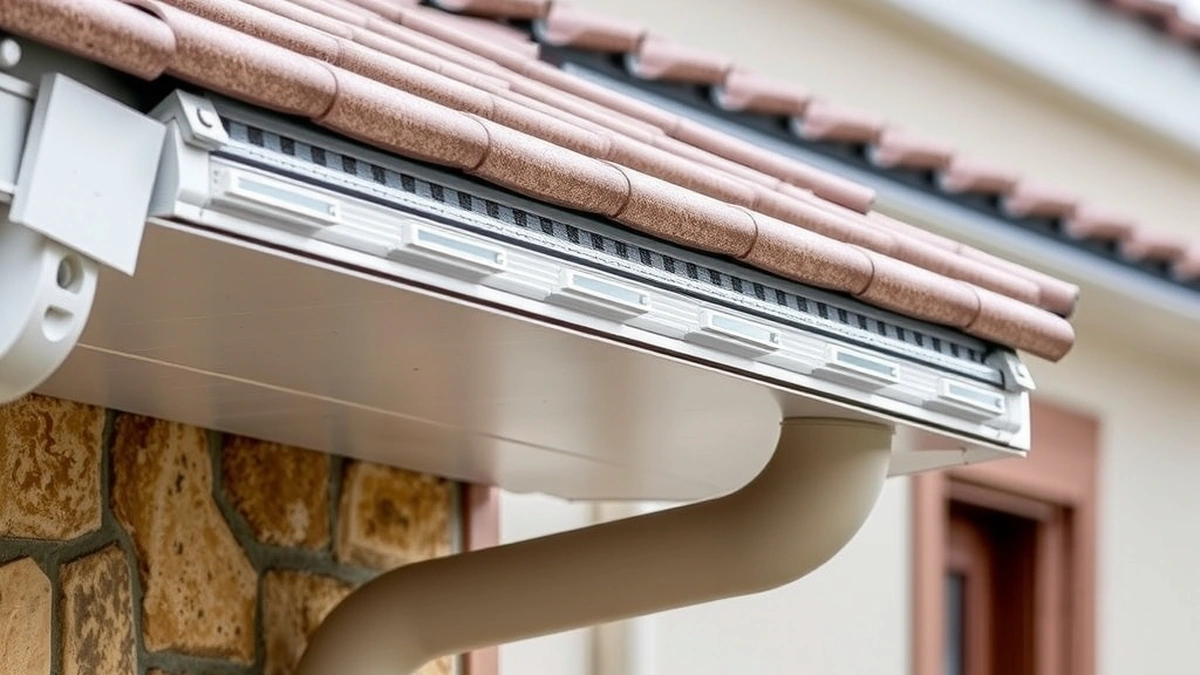
- Reverse-curve uses surface tension to pull water around a curved metal nose while debris slides off the front.
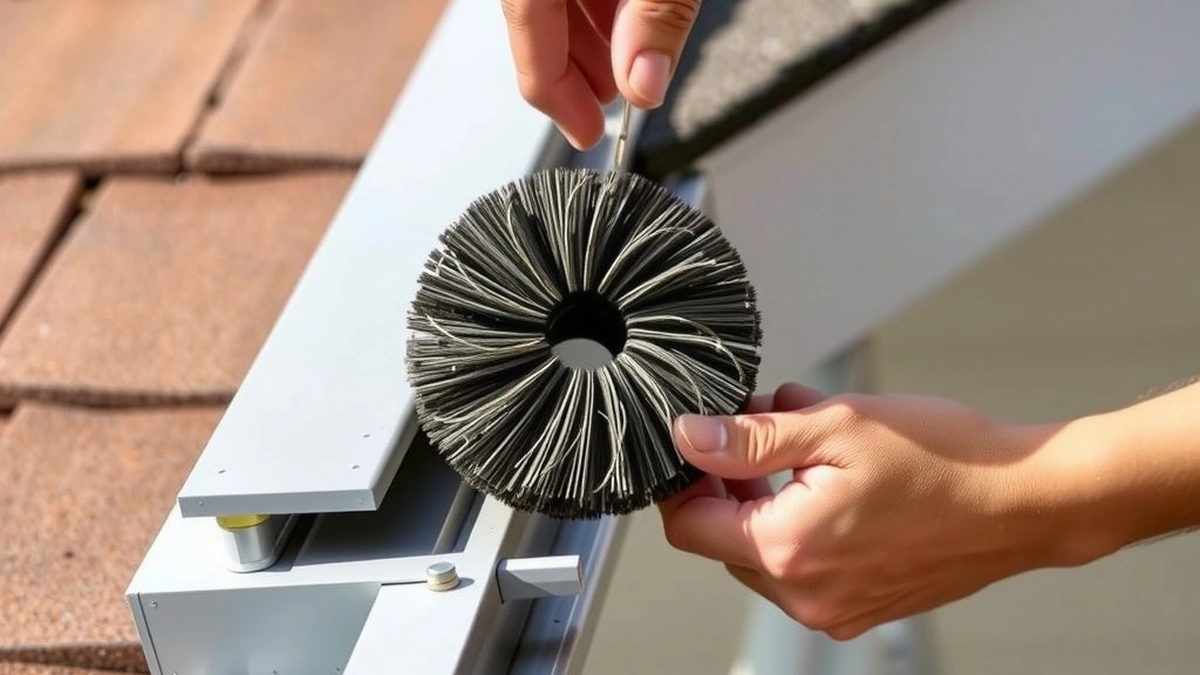
- Brush and foam inserts fill the trough with a porous mass that water passes through and leaves sit on.
- Screens are coarse woven or perforated sheets, usually installed by the homeowner.
A dealer-sold filter system is a fine panel sold with installation and service under one contract; a solid cover with a rear gutter is a variant on the reverse-curve idea.
| Category | Debris it handles | Debris it passes | Installed cost |
|---|---|---|---|
| Micro-mesh | Leaves, needles, most grit | Nothing under the aperture | $1,800–$4,500 |
| Reverse-curve | Whole leaves, twigs | Needles, grit, small seed pods | $2,000–$5,000 |
| Brush or foam | Large leaves, twigs | Fines, grit, needles | $200–$800 |
| Screen | Large leaves | Needles, grit, seed pods | $300–$900 |
| Dealer system | Leaves, needles, grit | Very little | $3,000–$8,000 |
Best for Fine Debris
If the roof sheds pine needles, shingle grit, or birch catkins, the answer is micro-mesh or a dealer-sold equivalent. A coarse screen is the wrong purchase here: needles pass through a quarter-inch opening without slowing down, then pack the outlet.
Aperture is the specification to compare, not the brand. A 0.2 mm panel holds shingle granules and most pollen; a 1 mm panel holds the leaves but lets the grit through. Finer drains more slowly, so the panel needs enough pitch and enough downspout capacity to shed water off its surface. For the full breakdown of grades, see micro-mesh vs micro-mesh.
The cost is $1,800 to $4,500 installed. Two cleanings a year at $150 to $400 each is $300 to $800 annually, so ten years of cleaning runs $3,000 to $8,000. A $3,000 mesh system is inside that range; one at $4,500 only pays if it genuinely cuts visits.
Best for Heavy Leaves
Where the load is large leaves on a long, straight run, reverse-curve is the strongest design. Debris never enters the trough, so there is nothing inside to rot, and the surface clears itself in wind and rain. On a 200-foot run the installed range of $2,000 to $5,000 works out to $10.00 to $25.00 per foot.
The trade is hydraulic. A reverse-curve nose only carries so much water; when rainfall exceeds that rate, water jumps the front edge and lands at the foundation, exactly where the gutter was meant to send it away from. Long runs with too few downspouts, steep pitches, and valleys all make that more likely.
So the best heavy-leaf guard is a reverse-curve cover on a roof with generous downspout capacity. With two outlets for 200 feet of gutter, the same product will overflow and a cheaper mesh may outperform it.
Best When the Budget Is Tight
Brush and foam inserts are the honest budget answer at $200 to $800 installed, or $1.00 to $4.00 per foot on a 200-foot run. They do not filter: they hold large debris above the water line while fines wash through and settle on the gutter floor. That suits a short run under oaks, a shed, or a rental. It fails under pines, where needles weave into the bristles and the insert holds water against the gutter.
DIY screens sit one step up at $300 to $900. They are the cheapest product that covers the opening, and on a single-story ranch a homeowner can fit them in a weekend. The limitation is the same: coarse openings pass fine debris.
Best on Long Runs and Two-Story Houses
Height changes the economics. On a two-story house every cleaning costs more and every repair is a ladder job, which shifts the case toward the premium products.
On runs over about 40 feet, frame stiffness matters more than mesh alloy. A light channel sags between fasteners, and a sag is a low spot where water pools and debris collects. A rigid frame with fabricated corners holds the panel flat and keeps the joints closed. That is most of what the extra money buys in a $4,000 quote.
Read the workmanship warranty, too. One that covers the panel but not the labor to reach it is worth less than it appears.
What Each Category Costs
These are the installed ranges to plan against, with the per-foot arithmetic on a 200-foot run:
- Micro-mesh: $1,800 to $4,500, or $1,800 ÷ 200 = $9.00 to $4,500 ÷ 200 = $22.50 per foot
- Reverse-curve: $2,000 to $5,000, or $10.00 to $25.00 per foot
- Brush or foam: $200 to $800, or $1.00 to $4.00 per foot
- DIY screen: $300 to $900, or $1.50 to $4.50 per foot
- Dealer system: $3,000 to $8,000, or $15.00 to $40.00 per foot
- Cleaning baseline: $150 to $400 per visit, or $300 to $800 a year at two visits
The per-foot number is not stable across job sizes, because travel and minimum charges spread over less work on a short run. A 120-foot run at $1,800 is $15.00 per foot, not $9.00. Divide the actual quote by the actual footage.
How to Test Your Roof Before You Buy
- Stand under the drip line after the first leaf drop and identify what is on the ground: that is the debris load.
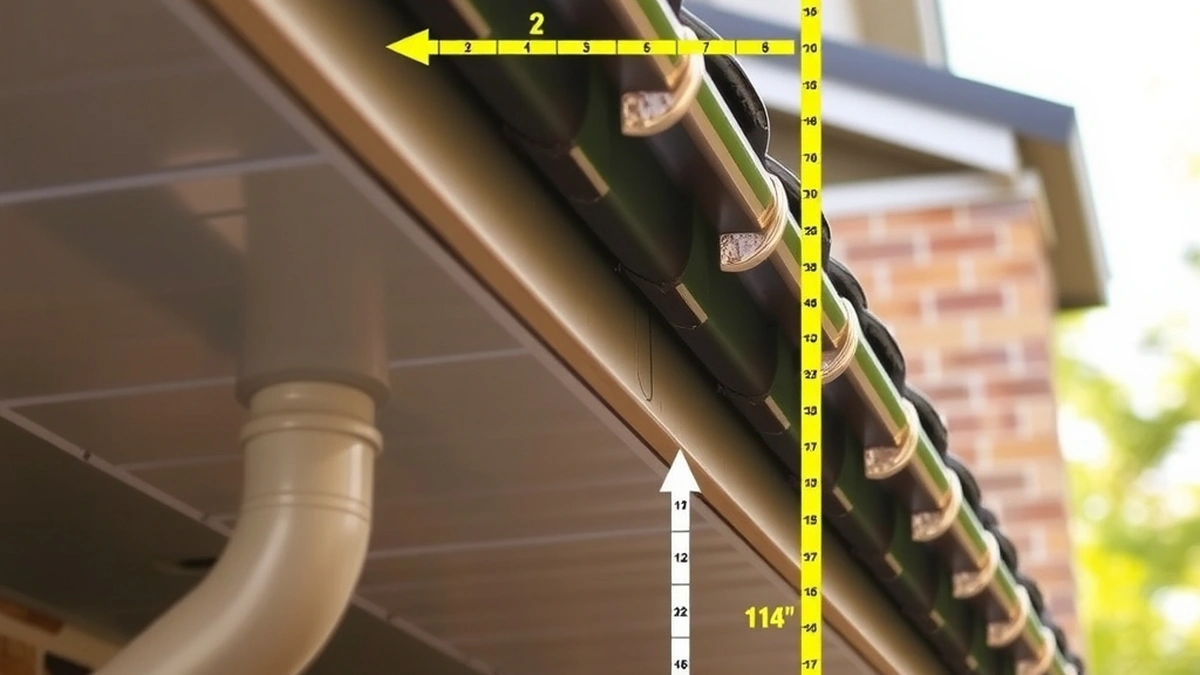
- Measure each run in linear feet and note the height, then multiply by the per-foot range above.
- Count the downspouts. Fewer than one per 35 feet of run favors a mesh product.
- Check the pitch with a 4-foot level; correct any backfall before buying.
- Inspect the fascia and hangers from the ladder. Soft fascia or loose hangers must be fixed first.
- Get two itemized quotes with footage, per-foot price, specification, and exclusions.
For the installation sequence, see gutter guard installation. The cost-per-foot detail is in gutter guard cost per square foot, and the direct comparison of the two premium designs is in reverse-curve vs micro-mesh.
Bottom Line
Micro-mesh is best for fine debris and two-story access, reverse-curve for large leaves on long straight runs, and brush, foam, or screen when the budget is fixed. Dealer systems are worth it only when a single point of accountability justifies $3,000 to $8,000. None of them works on a gutter that does not drain, so fix the pitch and hangers first.
Frequently asked questions
What is the most important measurement?
Start with the ceiling or clearance number; it decides which systems can fit.
What does a typical project cost?
Costs vary by system and site access; the guide shows the line items and a planning range.
Can I install this myself?
Some tasks are DIY-friendly, but structural, electrical, and load-bearing work should be done by a licensed professional.
How long does installation take?
A simple setup is a weekend; a full build with electrical or structural work can take several weeks.
What should I check before buying?
Confirm dimensions, load ratings, and the manufacturer's installation requirements for your exact model.
Where can I find local help?
Ask a licensed contractor or installer who has worked with the same system and can inspect your site.
Sources
Some links are affiliate links.If you buy through them we may earn a commission at no extra cost to you. We do not accept payment for rankings. Read the full disclosure.