Micro-mesh problems
The real micro-mesh gutter guard problems: surface matting, sediment in the trough, ice bonding, panel lift, and overflow that looks like a clog but is not.

The common micro-mesh problems are debris matting on the panel, fine sediment reaching the trough, water sheeting over the front lip in a downpour, ice bonding to the mesh, and panels lifting at loose fasteners. None of them mean the guard has failed; each has a specific cause.
- Most common problem
- Debris matting on the panel
- Second most common
- Sediment inside the trough
- Installed cost
- $1,800 - $4,500
- Cleaning baseline
- $150 - $400 per visit
Some links on this page are affiliate links.If you buy through them we may earn a commission at no extra cost to you. We do not accept payment for rankings. Read the full disclosure.
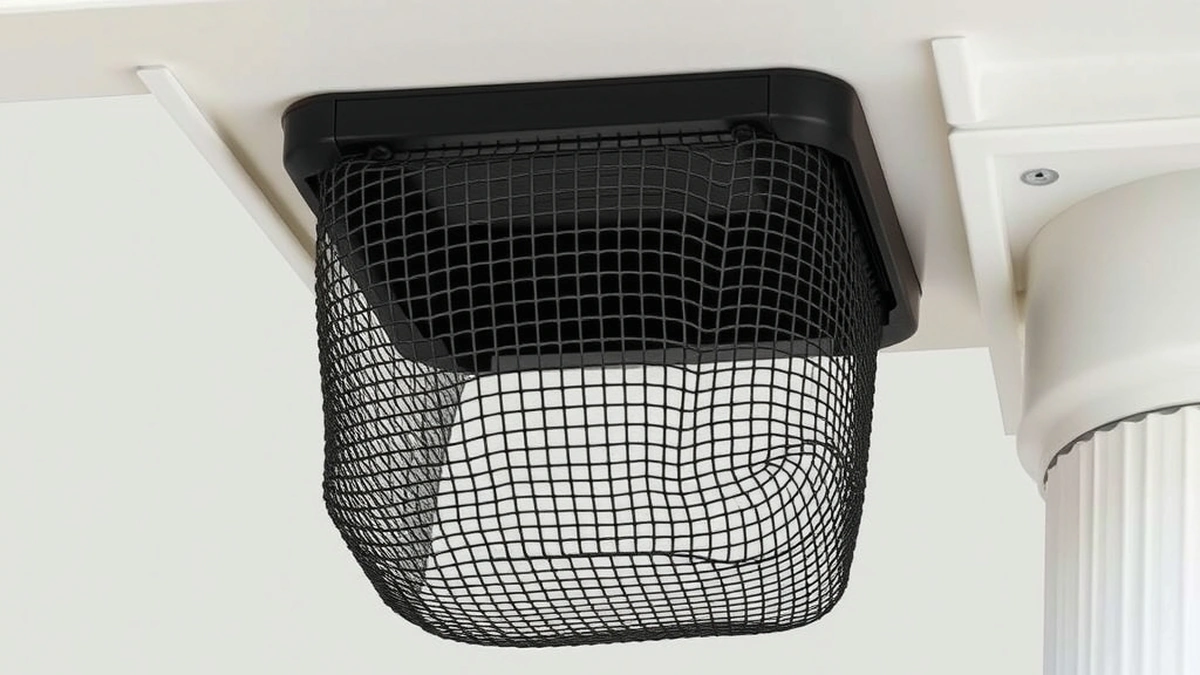
Micro-mesh problems are mostly surface problems. Debris mats on top of the panel, pollen and shingle grit seal the aperture, and in a heavy storm water can sheet over the front lip before it drains. Sediment passing through the mesh collects in the trough over years, ice can bond to the panel, and fasteners can loosen. None of that means the guard has failed. Each symptom has a cause, and most are cheaper to fix than to replace.
Surface Matting Is the Main Event
The mesh holds debris out of the gutter, which means the debris sits where you can see it. Dry leaves blow off. Wet leaves do not. In a fall storm, a layer of wet leaves can blanket a panel and turn it into a solid surface, and water then runs to the low end and over the front lip.
That is not a defect. It is the trade the product makes: it keeps debris out of the trough and puts it where it can be cleared. A guard that never needed clearing would have to pass debris through, which is what a coarse screen does.
Sediment in the Trough
Anything smaller than the aperture goes through with the water. Shingle granules, grit, pollen, and dust settle on the trough floor, and over five to ten years that layer can be deep enough to restrict flow.
This is the least visible micro-mesh problem, because the panel hides it. The only reliable check is to lift one panel a year at a joint and look at the trough floor with a light. If sediment is more than a thin film, flush the run from the high end with the outlet clear.
Overflow That Is Not a Clog
The most common complaint, water over the front lip, is usually not the guard. Work through the four causes in order:
| Symptom | Likely cause | Fix |
|---|---|---|
| Overflow at the low end only | Back-pitched or flat run | Correct pitch to 1 inch per 10 ft |
| Overflow at every run in heavy rain | Downspouts undersized or blocked | Clear or add an outlet |
| Overflow at one inside corner | Debris dam or frame gap | Clear the corner, seal the gap |
| Water on the fascia behind the gutter | Flashing, not the guard | Repair drip edge or step flashing |
| Pooling on the panel, no overflow | Panel sagging between fasteners | Refasten or add support |
A guard increases the distance water travels before it enters the trough. On a roof with a large contributing area and one small downspout, the added travel time can be enough to overwhelm the outlet in a cloudburst. The fix is drainage capacity, not a different panel.
Ice and Snow
Micro-mesh holds snow on the panel rather than letting it slide into the gutter, and in a freeze-thaw cycle that snow can bond to the mesh and form a ledge at the eave. Water backing up behind the ledge finds the roof deck.
The guard is not the cause of an ice dam. Ice dams come from warm roof air melting snow above the eave, where it refreezes. The fix is insulation and ventilation in the attic. A guard can make the eave situation worse, which is why cold-climate buyers should treat ice as a separate problem from debris.
Lifting Panels and Loose Fasteners
A panel that lifts in wind is a fastening failure, not a mesh failure. Three things cause it:
- Screws driven into thin or rotten fascia
- A clutch setting that deformed the gutter lip on installation
- Clip-on systems on an exposed, windward run
The repair is to refasten into solid material, adding a backer if the fascia is soft. If the same panel lifts twice, the fastening method is wrong for the site, and a bracket system is the durable answer.
Corrosion at the Frame and Fasteners
Stainless mesh holds up well. The frame, rivets, and screws are the weaker points, particularly within a few miles of salt water or under industrial fallout. Dissimilar metals in contact, such as a galvanized screw in an aluminum frame, corrode faster than either metal alone.
Inspect the fasteners at the same time you check the trough. A rusted screw head that has lost its washer is a leak path and a lift risk, and replacing it costs less than a panel.
Diagnosing a Problem in Order
- Note when the water appears: every storm, or only in downpours. Every storm points to pitch or a blockage.
- Check the downspout outlet first, since a blocked outlet mimics every other failure.
- Look at the panel surface for matting, especially at corners and under valleys.
- Run a hose at the high end and watch where the water goes.
- Lift one panel and inspect the trough floor for sediment.
- Check fastener heads for corrosion and panels for movement under light hand pressure.
That sequence costs nothing and separates guard problems from gutter problems before anyone is called.
When the Guard Is the Wrong Product
Micro-mesh is a poor fit on three kinds of house: one with a very short run and light debris, where $1,800 to $4,500 buys little; one with chronic ice damming, where the money belongs in the attic; and one with an undersized drainage system, where the overflow will continue regardless of the cover.
On those houses the honest answer is a cleaning schedule at $150 to $400 per visit, or a cheaper screen, not a premium panel. For the product side, see micro-mesh maintenance and micro-mesh reviews. If you are comparing categories, reverse-curve problems covers the same failure modes on the other premium system, and do gutter guards work sets out what a guard can and cannot do.
Frequently asked questions
Does micro-mesh clog?
Yes, but on the surface rather than inside the panel. Pollen, dust, and shingle granules seal the aperture, and wet leaves mat across the top, so the panel needs clearing once or twice a year.
Why does water pour over the front of my micro-mesh guard?
The panel is shedding faster than the gutter can accept. Causes include a clogged downspout, a back-pitched run, an undersized outlet, or debris blanketing the mesh during a heavy storm.
Does micro-mesh cause ice dams?
It can make an existing ice problem worse at the eave by holding snow on the panel, but the cause of an ice dam is heat loss through the roof, not the guard.
Can micro-mesh rust?
Stainless mesh does not rust in normal residential use, but the frame and fasteners can corrode, especially near the coast or where galvanized fasteners meet aluminum.
Why is sediment collecting in my gutter under the guard?
Particles smaller than the aperture pass through with the water. Shingle granules and grit settle in the trough over years and eventually need to be flushed out.
Should I remove micro-mesh to clean the gutter?
Only when sediment has built up enough to restrict flow. Most maintenance is surface clearing, and panels are designed to be lifted at the joints rather than removed wholesale.
Sources
Some links are affiliate links.If you buy through them we may earn a commission at no extra cost to you. We do not accept payment for rankings. Read the full disclosure.