Birds and nests: repair options for a blocked gutter
Nest removal and a gutter clear cost $150 to $400; sanitising adds $250 to $600, and exclusion mesh $200 to $600. What to do first when birds nest in a gutter.
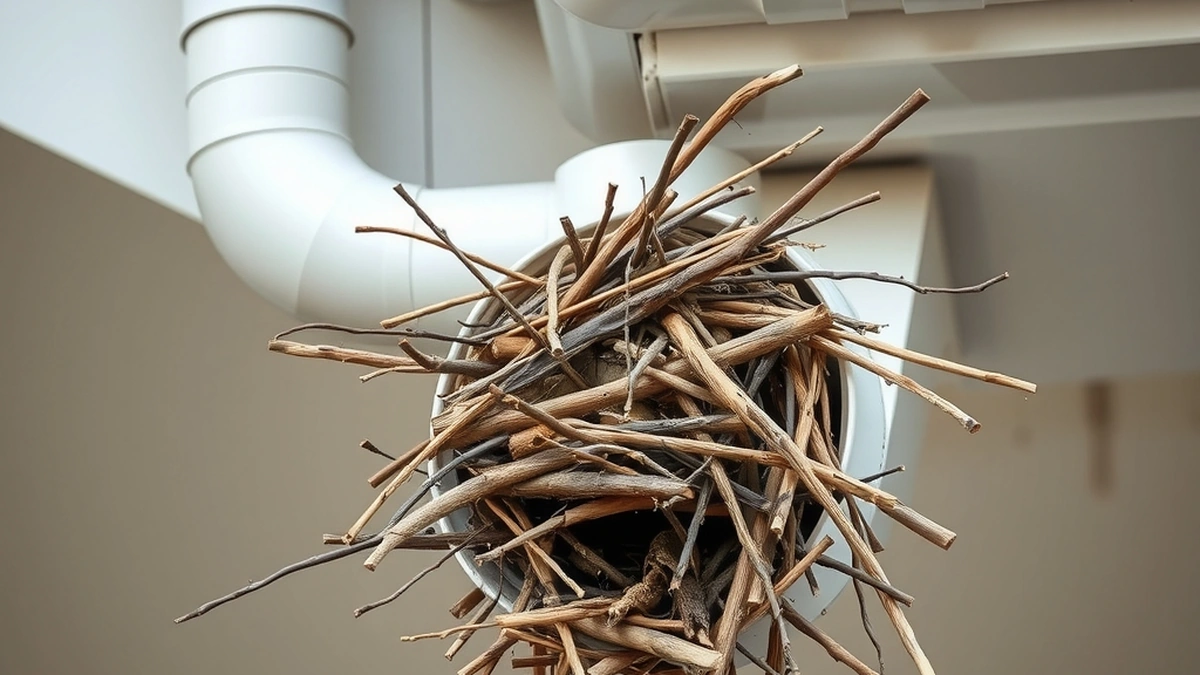
Bird nests in a gutter are removed with a clear-out at $150 to $400, plus sanitising at $250 to $600 where droppings are heavy. Exclusion mesh and end caps cost $200 to $600 and stop the same gap being reused next spring.
- Clear-out with nest
- $150 - $400
- Sanitise and deodorise
- $250 - $600
- Exclusion mesh
- $200 - $600
- Guard, full house
- $300 - $900
Some links on this page are affiliate links.If you buy through them we may earn a commission at no extra cost to you. We do not accept payment for rankings. Read the full disclosure.
A bird nest in a gutter is removed with a clear-out at $150 to $400, plus $250 to $600 to sanitise where droppings have built up. Exclusion mesh and end caps cost $200 to $600 and are the part that stops the same gap being used again next spring. Removal without exclusion is an annual bill, not a repair.
What the birds are actually using
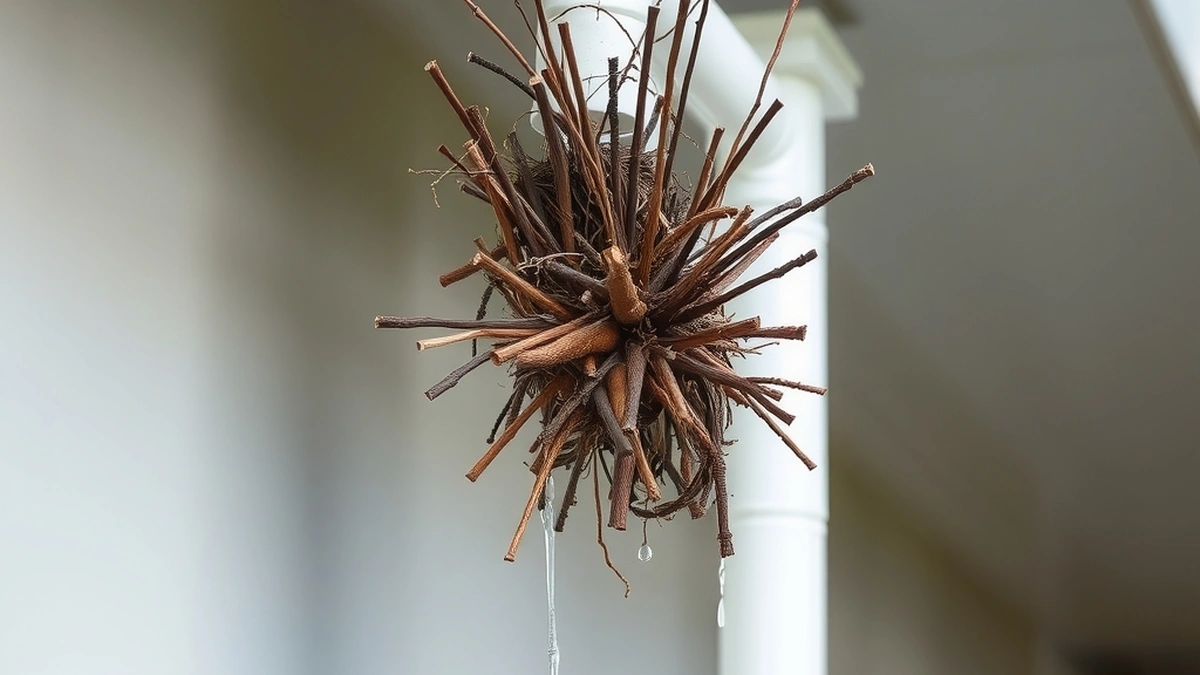
Birds nest in gutters for two reasons. The trough is a sheltered ledge that holds twigs in place, and the gap at an end cap or under the first course of shingles gives access to the void behind the fascia.
That second point matters more than the first. Most nests are not in the open channel; they are in the dead space at the end of a run, behind the gutter, or inside a downspout outlet. Clearing the visible trough leaves the nest site intact, which is why the birds return.
Repair options and prices
| Problem | Repair | Cost |
|---|---|---|
| Nest in the trough | Clear-out and bag the material | $150 - $400 |
| Nest behind the gutter | Remove section, clear void, refit | $250 - $600 |
| Droppings on fascia and wall | Sanitise and deodorise | $250 - $600 |
| Blocked downspout | Rod and flush the pipe | $150 - $400 |
| Open end cap | Fit mesh cap or end plate | $200 - $600 |
| Open trough across the run | Screen or mesh guard | $300 - $900 |
| Rotted fascia behind nest | Replace board and re-hang | $6 - $12 per linear foot |
The last row is the one that changes the job. Nest material holds moisture against the board, and a nest that has been in place for two seasons usually leaves soft wood behind it.
The legal constraint, briefly
In the US, most native birds are protected under the Migratory Bird Treaty Act. An active nest with eggs or chicks cannot be removed or moved, and disturbing it is an offence. Some introduced species, including the house sparrow, European starling, and pigeon, are not protected, but you need to know which bird you have before touching the nest.
The practical rule is: if the nest is active, wait. Chicks fledge in two to four weeks for most small birds, and the clear-out can be booked for the week after. A contractor will ask the same question, and a reputable one will refuse to remove an active nest.
Removing a nest safely
The work is not complicated, but it is dirty. Droppings carry bacteria and fungal spores, and dried nest material produces dust when it is disturbed.
- Confirm the nest is inactive, or that the species is unprotected.
- Wear gloves, eye protection, and a respirator rated for fine dust.
- Dampen the material with a spray bottle before removing it, to keep the dust down.
- Bag the nest and droppings immediately, and seal the bag.
- Clear the trough and flush the downspout to confirm flow.
- Disinfect the area with a product labelled for bird droppings, and let it dry.
Step six is the one homeowners skip. Droppings on a painted fascia leave a stain that reappears as a damp patch after the next rain if the residue is not neutralised.
What the clear-out price includes
A clear-out at $150 to $400 covers emptying the trough, bagging the debris, flushing the downspouts, and a visual check of the run. It does not usually include sanitising, fascia repair, or exclusion work, and those are the three lines that decide whether the problem returns.
Ask for the scope in writing before booking. A quote that includes bagging and disposal but not the outlet flush will leave the pipe blocked, and a blocked pipe is what caused the overflow the owner noticed in the first place. The flush is the part that proves the repair worked.
Closing the access
Exclusion is the durable repair and it is cheap relative to repeat cleaning. Three measures cover most cases:
- End caps and mesh covers on the open ends of the run, so the trough is closed at both ends.
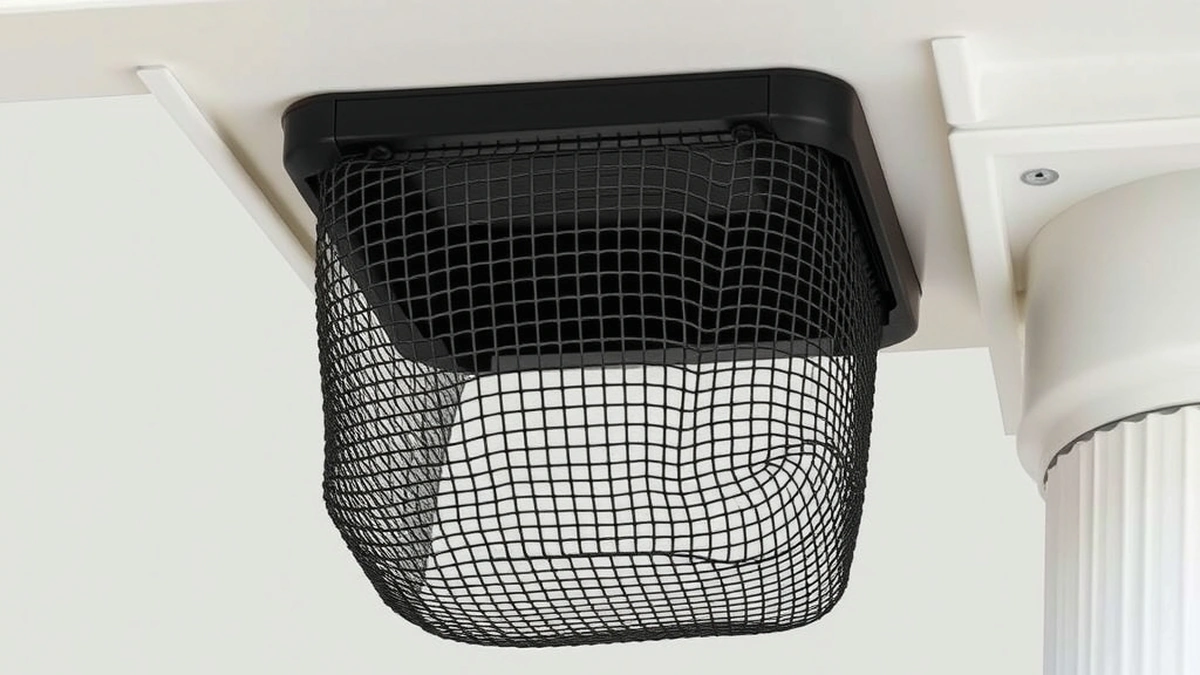
- Strainers at the downspout outlets, which stop nest material entering the pipe.
- A guard over the trough, screen at $300 to $900 or mesh at $1,800 to $4,500, which removes the ledge entirely.
The guard also solves the debris problem that made the gutter attractive in the first place. A clear, dry trough is a poor nest site; a damp one full of leaves is a good one.
Repairing what the nest damaged
Two failures follow a long occupation. The fascia softens where the nest held moisture, and the gutter pulls away where the weight and the corrosion have taken hold. Fascia replacement is $6 to $12 per linear foot, and the re-hang is billed on top.
Check the wood with a screwdriver before the gutter goes back. If the tip sinks, the board is part of the job, and skipping it means the new fasteners will not hold.
The short version
Remove the nest, sanitise the surface, clear the outlet, and close the gap. The first three cost $150 to $600; the fourth costs $200 to $600 and is what makes the repair last. The cost breakdown by job is in birds and nests: what a fix costs, the exclusion detail is in birds and nests: how to prevent it, and the signs that birds are already resident are in birds and nests: warning signs.
Frequently asked questions
How much does it cost to remove a bird nest from a gutter?
A clear-out that includes nest removal runs $150 to $400, the same as a standard gutter cleaning. If droppings are heavy, sanitising and deodorising adds $250 to $600 on top.
Can I remove a nest myself?
Only if it is empty. In the US most native birds are protected by the Migratory Bird Treaty Act, and an active nest with eggs or chicks cannot be moved. Wait until the young have fledged, then clear it.
Why do birds nest in gutters?
Because the trough is a sheltered ledge with a ready supply of twigs and grass, and because a gap at the end cap or under the first shingle gives access to the space behind the gutter. A blocked gutter also holds the moisture that makes nesting material stick.
Does a gutter guard stop birds nesting?
A screen or mesh guard closes the open trough, which removes the nesting site. Mesh over the gutter ends and downspout outlets closes the smaller gaps that birds use to get behind the run.
Is bird mess dangerous to clean?
Droppings can carry bacteria and fungal spores, so the work needs gloves, eye protection, and a mask. That is why a sanitising step is priced separately at $250 to $600 rather than folded into a standard clean.
Will birds come back after the nest is removed?
Usually, unless the access is closed. The same gap at the end of a run is reused year after year, so removal without exclusion is a repeat job at $150 to $400 every spring.
Sources
Some links are affiliate links.If you buy through them we may earn a commission at no extra cost to you. We do not accept payment for rankings. Read the full disclosure.