Screen installation: cost, tools, and the six-step method
How screen gutter guards are installed, what the job costs DIY and fitted, which fastening method holds, and the corner details that decide performance.
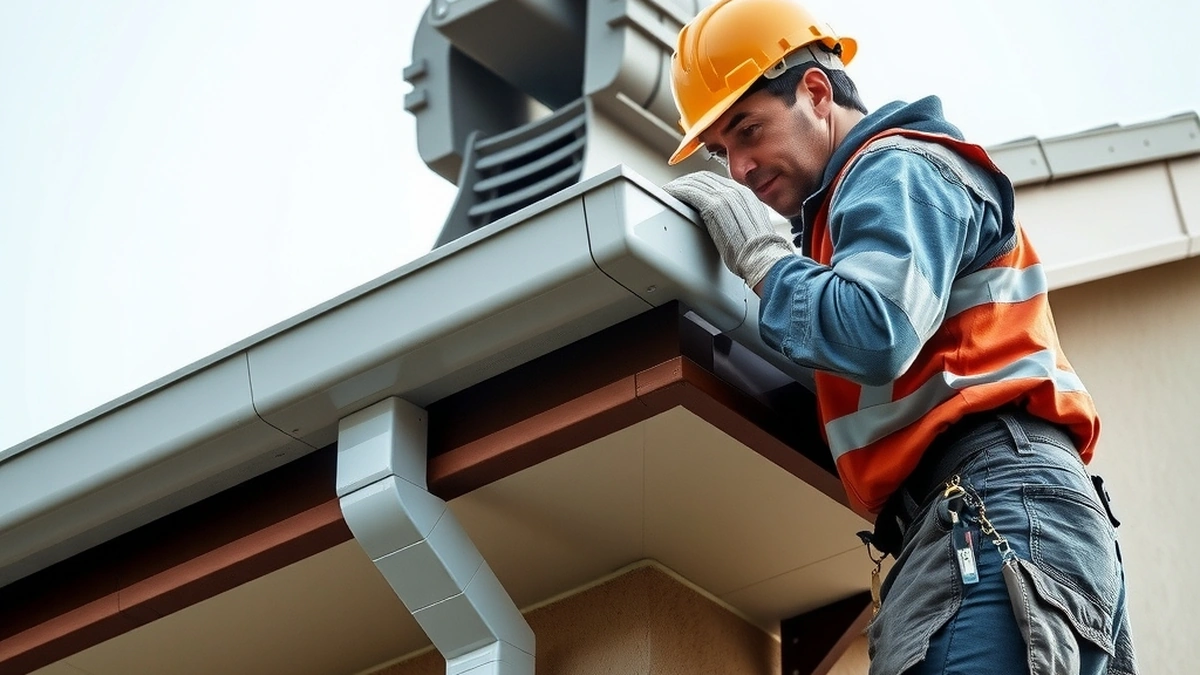
Screen installation costs $300 to $900 in materials for a DIY job on a typical house, or $1,200 to $2,700 fitted by a contractor. The work is measuring the run, cutting panels, fastening the front edge, and detailing corners and downspout outlets.
- DIY materials
- $300 - $900
- Fitted by contractor
- $1,200 - $2,700
- Per foot, DIY at 200 ft
- $1.50 - $4.50
- Time for 200 ft
- 4 - 8 hours
Some links on this page are affiliate links.If you buy through them we may earn a commission at no extra cost to you. We do not accept payment for rankings. Read the full disclosure.
Screen installation costs $300 to $900 in materials on a typical house if you do the work, or $1,200 to $2,700 with a contractor fitting it. On a 200-foot run the DIY figure is $1.50 to $4.50 per linear foot. The installation itself is not complicated, but it is unforgiving: a panel that is cut short, buckled, or fastened over a sagging hanger will let debris in at exactly the point you were trying to protect.
What a screen guard is
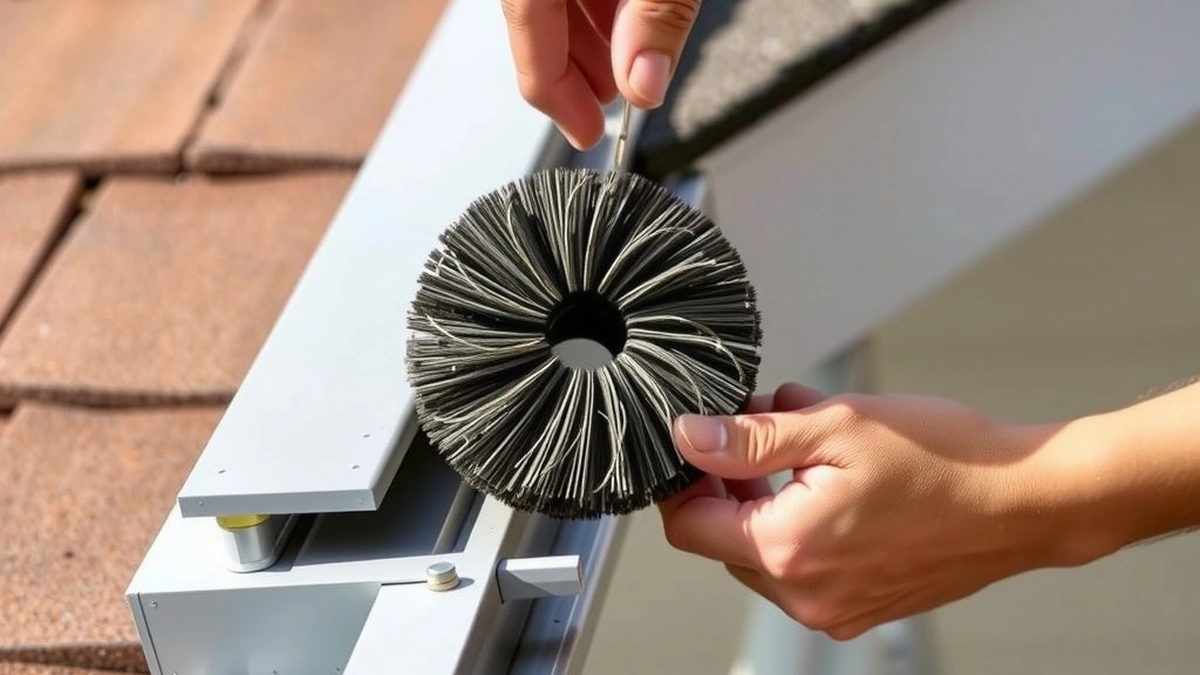
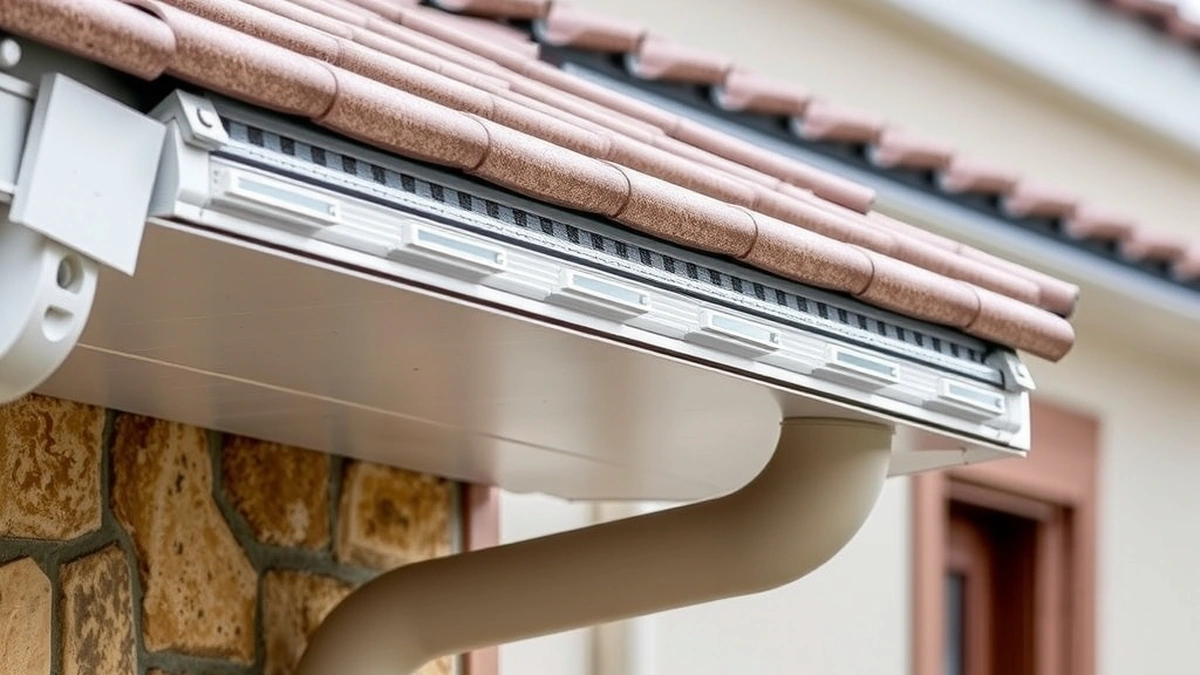
A screen guard is a perforated sheet, usually aluminium or coated steel, clipped or screwed over the gutter opening. It is the oldest and cheapest manufactured guard, and it is a barrier rather than a filter: leaves stay on top, water drops through the perforations.
That makes it different from micro-mesh, which uses a woven cloth with an aperture under a millimetre and a rigid frame. A screen has larger holes, a lighter section, and no structural role. It keeps out leaves and twigs. It does not keep out shingle grit, pollen, or pine needles, which either pass through or mat on the surface.
The cost, split into material and labour
| House size | DIY material | Fitted (material + labour) | Per foot, DIY |
|---|---|---|---|
| 120 ft | $300 - $540 | $1,020 - $1,980 | $2.50 - $4.50 |
| 150 ft | $300 - $675 | $1,200 - $2,475 | $2.00 - $4.50 |
| 200 ft | $300 - $900 | $1,500 - $3,300 | $1.50 - $4.50 |
| 250 ft | $375 - $1,125 | $1,875 - $4,125 | $1.50 - $4.50 |
The material column follows the $300 to $900 band, which is the published range for a DIY screen job and scales with length. The fitted column adds labour at $6 to $12 per linear foot, so on 150 feet that is $900 to $1,800 of labour plus $300 to $675 of product.
The per-foot rate falls as the run gets longer because a minimum charge and travel are spread over more work. A 120-foot job quoted at $2.50 per foot is not a worse price than a 200-foot job at $1.50; it is the same trip charge divided by fewer feet.
Tools and materials
- Tape measure and a notebook for the run, width, and corner count.
- Tin snips or a fine-tooth saw blade for aluminium.
- Cordless driver with self-tapping hex screws and a magnetic bit.
- Ladder with a standoff, so the top does not crush the gutter lip.
- Gloves and eye protection; cut screen edges are sharp.
- File or deburring tool for every cut end.
Buy 10 percent more material than the measured run. Corners, outlets, and miscuts consume it, and a second order for one panel usually costs more in freight than the extra length cost in the first place.
Six steps to install
- Clean the gutter completely, then flush it with a hose and confirm the downspouts run clear. Installing over debris traps it.
- Check the fall with a level. Gutters should slope toward the outlet at roughly 1 inch per 10 feet; fix hangers before covering anything.
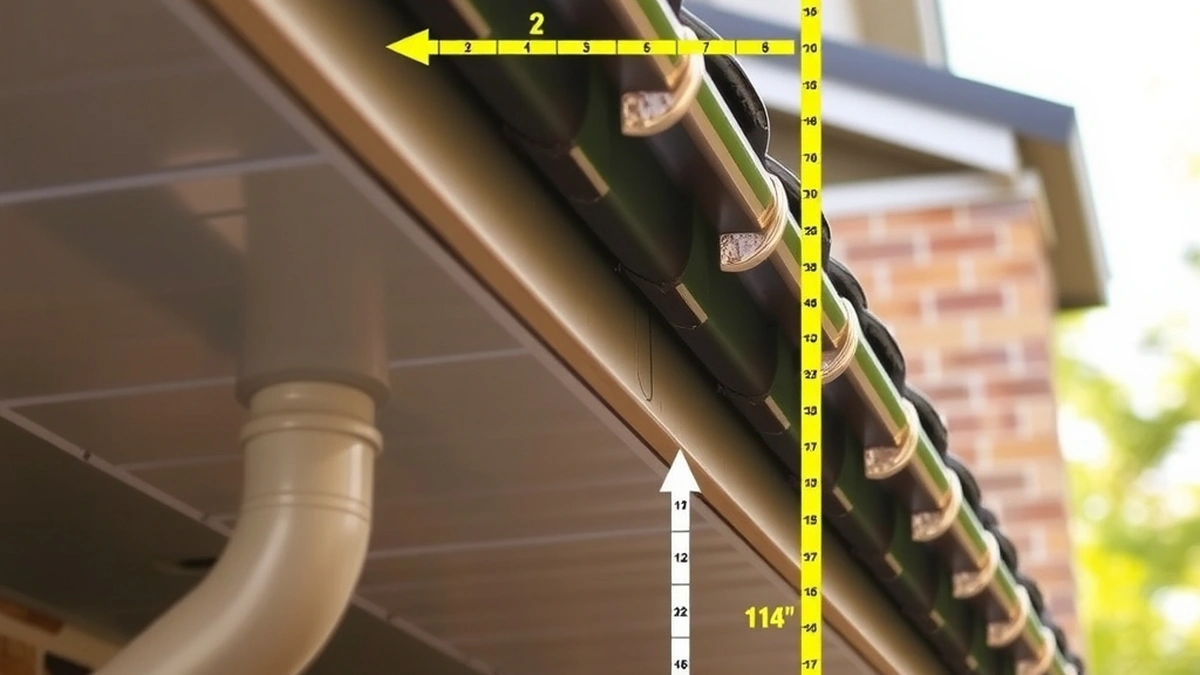
- Measure the width from the back of the gutter to the front lip, inside the lip return, and add a quarter inch for expansion.
- Cut the panels to length and width, then file the cut edges so nobody slices a hand on the roof.
- Fasten the front edge first, working from one end so the panel stays straight. Self-tapping screws go through the lip return, not through the face of the gutter.
- Detail the corners and outlets: miter or fold the mesh, fit an end cap, and cut a clear opening over each downspout so water can leave the trough.
Step six is where most installations fail. A screen laid across a downspout outlet without an opening turns the outlet into a dam, and the gutter overflows at the end of the run in the first heavy rain.
Fastening methods compared
| Method | Holds | Best for | Risk |
|---|---|---|---|
| Clip-on front lip | Moderate | Light screen, low wind | Pops off under snow load |
| Screw through lip | Strong | Aluminium screen | Distorts a thin lip if over-tightened |
| Fascia bracket | Strongest | Steep roofs, long spans | More drilling, more time |
| Hanger clip | Moderate | Retrofit over existing hangers | Interferes with hanger spacing |
Screws through the lip are the default for a reason: they are cheap, fast, and reversible. On a roof that sees drifting snow, the fascia bracket is worth the extra drilling because it carries load into the board rather than the gutter section.
Corners, outlets, and end caps
Corners are the highest-stress detail on the job. Cut both panels long, overlap them by an inch, and fold the mesh down over the outside corner rather than butting two square ends together. A butt joint at a corner opens a gap within a season as the gutter moves.
At each downspout, cut an opening slightly larger than the outlet and fold the cut edges down. Some installers fit a small strainer instead, which is more effective at stopping debris from entering the pipe but needs clearing.
End caps close the open ends of the run. Without them, water shoots off the end of the gutter and onto the fascia, which is the exact failure the guard was bought to prevent.
Mistakes that cause overflow
The common failures are not product failures. They are a gutter pitched backwards, hangers spaced too far apart so the trough sags between them, a panel cut narrow so debris falls through the gap at the back, and an outlet blocked by mesh. Each of these produces water over the front lip in a downpour, and each is cheaper to fix before the panels go on.
For the full price picture, see screen cost. If you are weighing screen against a finer product, micro-mesh installation covers the framed method, and gutter guard cost puts all five types on one per-foot table.
When to hire
Hire when the gutter is above the first storey, when the roof pitch is steeper than 6/12, when the gutters are already sagging, or when the run has more than four corners. Those conditions turn a half-day job into a fall risk, and the labour line on a fitted quote, $6 to $12 per foot, is cheaper than an emergency room visit.
Frequently asked questions
How much does screen installation cost?
Materials run $300 to $900 for a typical house if you install them yourself. A contractor fitting the same screen lands at $1,200 to $2,700, because labour adds $6 to $12 per linear foot on top of the product.
Can I install gutter screens myself?
Yes on a single storey with a stable ladder and sound gutters. The work is cutting panels to width, fastening the front edge, and folding the mesh at corners. Two storeys or a steep pitch is a hire job.
Should the screen go under the shingles?
No. Lifting shingle tabs breaks the seal and creates a leak path. Screens fasten to the front lip, to the fascia, or with a bracket that clips over the hanger, all of which leave the roof intact.
How long does installation take?
A 200-foot run takes four to eight hours for one person with the right tools, including ladder moves. Corners and downspout outlets take a disproportionate share of that time.
What tools do I need?
Tin snips or a fine-tooth blade, a tape measure, a cordless driver with self-tapping hex screws, a ladder standoff, gloves, and a file for cut edges. A chalk line helps keep the panels straight.
Why does water run over the front of the screen?
Usually because the gutter is pitched the wrong way or the downspout outlet is restricted. A screen cannot drain a trough that holds water, so check the fall before blaming the panel.
Sources
Some links are affiliate links.If you buy through them we may earn a commission at no extra cost to you. We do not accept payment for rankings. Read the full disclosure.