Ice dams: repair options from steam to attic work
Ice dam removal costs $300 to $600 by steam, and the durable fix is attic insulation at $1,500 to $4,000. What each option does and when to use it.
Ice dams are removed by steam for $300 to $600 per visit, then prevented by air sealing and insulating the attic at $1,500 to $4,000. Clearing the gutter and downspout at $150 to $400 removes the water path that feeds the ridge.
- Steam removal
- $300 - $600 per visit
- Roof rake
- $50 - $150 to buy
- Attic air sealing and insulation
- $1,500 - $4,000
- Heat cable, installed
- $300 - $1,000
Some links on this page are affiliate links.If you buy through them we may earn a commission at no extra cost to you. We do not accept payment for rankings. Read the full disclosure.
An ice dam is repaired in two stages: remove the ridge, then stop it forming again. Steam removal costs $300 to $600 per visit, and the permanent fix, air sealing and insulating the attic, runs $1,500 to $4,000. Anything in between, from a roof rake to heat cable, is a stopgap, and it is worth knowing which one you are buying.
What an ice dam is
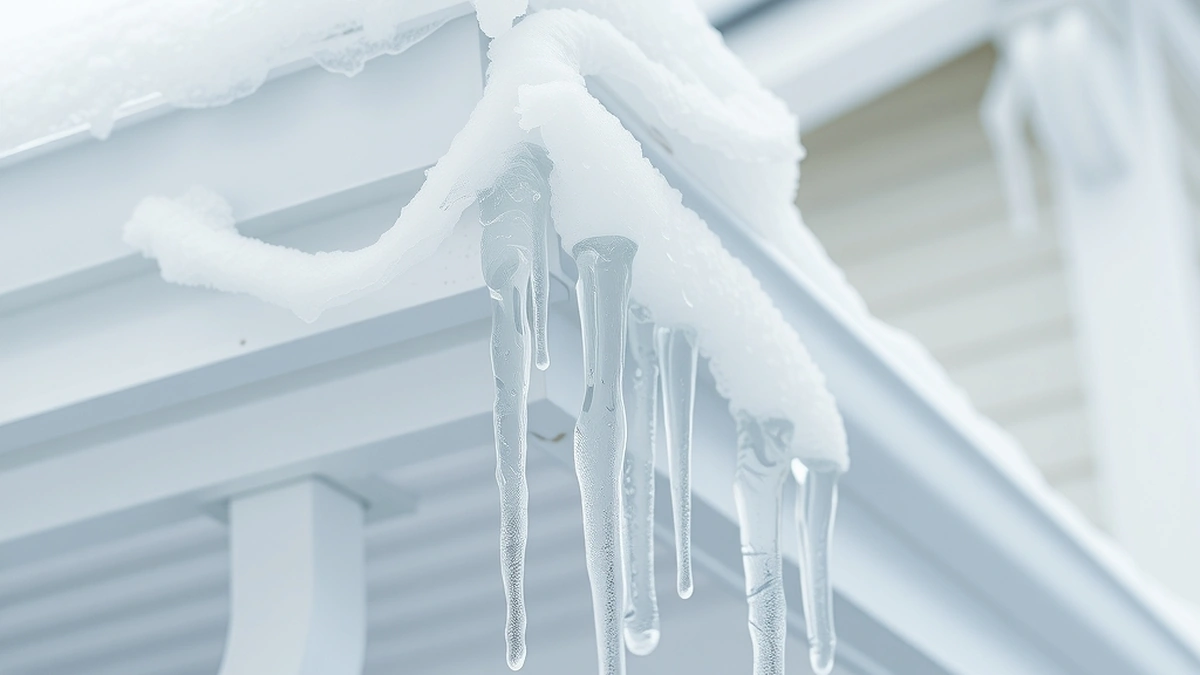
An ice dam is a ridge of ice at the roof eave that blocks meltwater from draining off the roof. Water backs up behind it, works under the shingles, and appears indoors at the ceiling near an exterior wall.
The ridge forms because the roof deck is warm at the top and cold at the edge. Snow melts over the warm section, runs down, and refreezes when it reaches the overhang, which is not warmed by the house. The gutter is the cold edge, so a blocked or snow-filled gutter makes the ridge worse but does not create it.
Repair options compared
| Method | What it does | Cost | Durability |
|---|---|---|---|
| Steam removal | Melts a channel through the ridge | $300 - $600 | Immediate, temporary |
| Roof rake | Removes snow before it melts | $50 - $150 to buy | Seasonal |
| Heat cable | Keeps a path open at the eave | $300 - $1,000 installed | Ongoing cost |
| Gutter and downspout clear | Restores the water path | $150 - $400 | One season |
| Air sealing and insulation | Keeps the roof deck cold | $1,500 - $4,000 | Permanent |
| Ventilation correction | Moves air through the attic | $500 - $2,000 | Permanent |
The top three rows treat the symptom. The bottom three treat the cause. A household that pays for steam every February is buying the symptom repeatedly, and the arithmetic eventually favours the attic work.
Steam removal, and what not to do
Steam is the standard removal method because it melts the ice without touching the shingles. A contractor uses a low-pressure steamer and works the ridge back from the eave, opening a channel so water can drain.
The alternative that people attempt is chipping with an axe, a hammer, or a shovel. It removes ice and shingle granules in roughly equal measure, and the roof leak that follows is more expensive than the steam. It is also a fall risk on a surface that is, by definition, ice.
Never stand on a snowy roof to do this work, and never send anyone else up. The removal is a ground-and-ladder job for a professional, or a roof rake job from the ground.
The attic work, and why it is the real repair
The ridge forms because heat escapes into the attic and warms the roof deck. That heat comes through the ceiling: recessed lights, hatch covers, plumbing penetrations, chimney chases, and the top plates of walls. Insulation slows it; air sealing stops it.
A proper job does three things. It seals the bypasses with foam and caulk, it brings the insulation up to the current code level for the climate zone, and it confirms that soffit intake and ridge exhaust are both open so the deck stays cold and dry.
Expect $1,500 to $4,000 for a typical house, more where the attic is finished or the roof is complicated. That is three to thirteen steam removals at $300 to $600, which is usually the point being made when an owner asks why the cheap fix keeps coming back.
Gutter and downspout work
Clearing the gutter before winter is worth doing, but be honest about what it buys. A clear trough and an open downspout let meltwater leave the eave instead of pooling and freezing there. That reduces the size of the ridge and the ice weight on the hangers.
It does not stop meltwater from running down the roof and refreezing at the cold edge, because that water is generated above the gutter. On a house with a warm attic, the ridge will form whether the gutter is clean or not. The $150 to $400 clear-out is still worth it for the gutter’s own sake.
Six steps, in the right order
- Remove the snow from the lower roof with a rake from the ground, working away from the eave.
- If a solid ridge has formed, stop and book steam removal rather than attacking it.
- Clear the gutter and downspout so meltwater has a path once the ridge opens.
- Photograph the ice, the interior stains, and the roof edge before any work starts.
- Have the attic inspected for air bypasses, insulation depth, and vent blockage.
- Budget the attic work for the warm months, when it can be done without snow on the roof.
Step six is the one that changes next winter. Everything before it is this winter’s emergency.
The cost of doing nothing
Water that backs under the shingles reaches the deck, the insulation, and the ceiling. Interior repair for a stained and sagging ceiling typically starts around $1,000 and rises with the area affected, and wet insulation loses most of its value even after it dries.
That is the argument for treating the attic rather than the ice. A $1,500 to $4,000 attic job is a capital expense that ends the cycle. A $300 to $600 steam bill every year is an operating cost that never does.
The short version
Steam the ridge, clear the gutter, and then fix the heat loss. The removal is priced in ice dams: what a fix costs, the prevention sequence is in ice dams: how to prevent it, and the signs that a ridge is already causing damage are in ice dams: warning signs. The gutter side of the work is priced in gutter repair cost.
Frequently asked questions
How much does it cost to remove an ice dam?
Steam removal runs $300 to $600 per visit for a typical roof, and it is the only method that does not damage the covering. Chipping with an axe or a hammer is not a repair and usually costs more in shingles than the steam would have.
What is the permanent fix for ice dams?
Keeping the roof cold: air seal the ceiling, add insulation to the current code level, and make sure the soffit and ridge vents move air. That work runs $1,500 to $4,000 and addresses the cause rather than the symptom.
Do heat cables stop ice dams?
They create a channel for water, which helps in a bad winter, but they do not remove the heat loss that causes the melt. Installed cost is $300 to $1,000 and running cost is continuous through the cold months.
Can I knock the ice off myself?
No. A ladder on ice and a tool swung at a roof edge is how people fall and how shingles get destroyed. Use a roof rake from the ground for snow, and call for steam if the ridge is already solid.
Does gutter cleaning prevent ice dams?
It removes one part of the problem. A blocked gutter holds water that freezes at the eave, but the ridge itself is fed by meltwater from a warm roof deck, so cleaning without attic work only delays it.
Is ice dam damage covered by insurance?
Interior water damage is often covered, but the ice dam itself is usually treated as maintenance. Keep receipts for removal and take photographs before and after, because the adjuster will ask how the water entered.
Sources
Some links are affiliate links.If you buy through them we may earn a commission at no extra cost to you. We do not accept payment for rankings. Read the full disclosure.