Ice dams: how to prevent them with a cold roof
Prevent ice dams by keeping the roof deck cold: air seal the attic, insulate to code, vent the soffit and ridge, clear the gutter, and rake snow early.
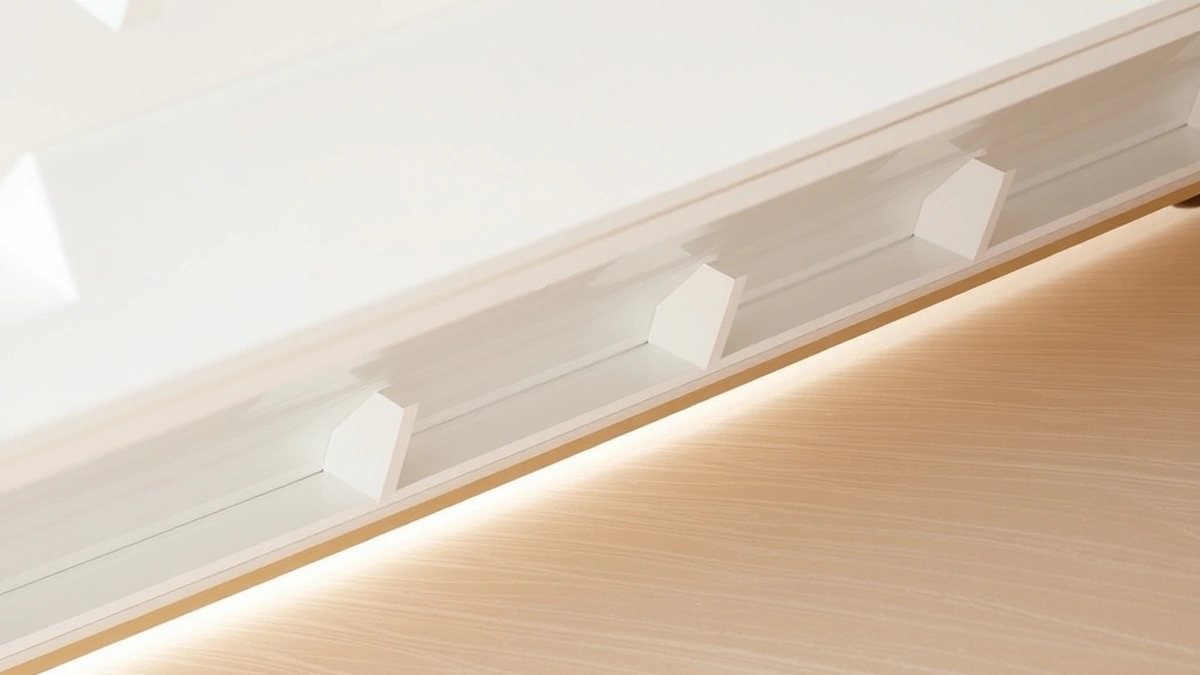
Prevent ice dams by keeping the roof cold: seal attic air bypasses, insulate to the code level for your zone, keep soffit and ridge vents open, clear the gutter before winter, and rake snow off the lower roof after every storm.
- Air sealing and insulation
- $1,500 - $4,000
- Ventilation correction
- $500 - $2,000
- Roof rake
- $50 - $150
- Gutter clear-out
- $150 - $400
Some links on this page are affiliate links.If you buy through them we may earn a commission at no extra cost to you. We do not accept payment for rankings. Read the full disclosure.
Ice dams are prevented by keeping the roof deck cold, and that means stopping warm air from reaching it. Air sealing and insulation cost $1,500 to $4,000, ventilation correction adds $500 to $2,000, and the winter measures, a rake at $50 to $150 and a gutter clear at $150 to $400, manage what is left. The order matters more than any single item.
The mechanism, in one paragraph
Snow on a roof melts where the deck is above freezing. Water runs down the slope, reaches the overhang, finds a surface that is not warmed by the house, and refreezes. Repeat that for a few days and the refrozen water becomes a ridge. Water from above then pools behind the ridge and works under the shingles.
Everything that follows attacks one of those steps: keep the deck cold, or get the water off before it refreezes. The overhang is cold because it projects past the wall, so no warm room sits under it. That is also why the ridge always forms in the same place, and why a roof with a deep overhang produces a bigger dam than one with a short eave.
Prevention measures compared
| Measure | Addresses | Cost | Effect |
|---|---|---|---|
| Air sealing | Warm air bypasses | $500 - $1,500 | Stops most of the heat |
| Insulation to code | Conductive heat loss | $1,000 - $3,000 | Slows the melt |
| Soffit and ridge venting | Trapped heat under deck | $500 - $2,000 | Keeps the deck cold |
| Gutter clear-out | Water pooling at eave | $150 - $400 | Smaller ridge |
| Roof rake | Snow load and meltwater | $50 - $150 | Prevents formation |
| Heat cable | Ice at the eave | $300 - $1,000 | Manages, does not fix |
The first three rows are the permanent work and are usually done as one project. The last three are seasonal and recur.
Air sealing before insulation
Insulation slows heat transfer through a material. It does not stop air movement, and a hole the size of a light fitting can carry more heat into an attic than an entire uninsulated ceiling area conducts. That is why adding depth over an unsealed ceiling often changes nothing.
The bypasses to find are consistent: recessed light housings, the attic hatch, plumbing and wiring penetrations, the tops of interior walls, chimney chases, and dropped soffits over kitchens. Seal them with fire-rated foam or caulk and a cover, then insulate over the top.
This is the part of the job that a homeowner can partly do, and the part that a contractor should inspect. It is also the cheapest line in the project at $500 to $1,500, and the one that produces the largest change.
Getting the depth right
The target is an R-value set by climate zone. In cold zones the practical figure is commonly R-49 to R-60, which is roughly 16 to 20 inches of fibreglass or 12 to 16 inches of cellulose. In milder zones the target is lower.
The detail that matters is the eave. Insulation must not block the soffit vent, or the roof deck loses its intake air and the ventilation system stops working. Baffles keep a channel open at the edge, and they cost very little when installed as part of the job.
Ventilation, in and out
A cold roof needs air moving under the deck from the soffit to the ridge. If the soffits are blocked or the ridge vent is covered, heat accumulates in the top of the attic and warms the deck from underneath.
Check the soffit from outside for paint or insulation blocking the slots, and check the ridge vent from the attic for daylight. If neither is open, the insulation is working against a sealed box, and the ice will return.
The winter routine
Rake snow off the lower 6 to 8 feet of roof after every heavy fall, working from the ground with a roof rake. The tool costs $50 to $150, and it removes the fuel before it can melt and refreeze.
Clear the gutter and downspouts before the first freeze, at $150 to $400 if paid. A clear trough lets meltwater leave the eave instead of pooling and freezing there, which reduces both the ridge and the weight on the hangers.
Do not climb onto a snowy roof, and do not chip ice with a tool. Both are how people get hurt and how shingles get destroyed. If a ridge has already formed at the eave, the winter routine is over for that season: book steam removal at $300 to $600 and put the money saved on failed DIY attempts toward the attic work in spring.
Six steps to a cold roof
- Photograph the attic before work, including the insulation depth against a ruler.
- Find and seal the air bypasses at lights, hatches, chases, and wall tops.
- Fit baffles at the eaves so the soffit vents stay open.
- Add insulation to the target R-value for your zone.
- Confirm airflow at the soffit and the ridge, and clear anything blocking either.
- Rake and clear the gutter each winter until the attic work is done.
Steps two and five are the ones that are usually skipped, and they are the two that decide whether the project works.
The short version
Prevention is a cold roof: sealed, insulated, and vented, at $1,500 to $4,000. Everything else manages the winter. The removal options and their prices are in ice dams: repair options, the budget comparison is in ice dams: what a fix costs, and the signs of damage are in ice dams: warning signs. The gutter maintenance that supports the routine is in gutter cleaning cost.
Frequently asked questions
What is the most effective way to prevent ice dams?
Air sealing the ceiling and insulating to the level required for your climate zone. Ice dams are caused by heat escaping into the attic and warming the roof deck, so stopping the airflow addresses the source.
Does more insulation alone stop ice dams?
Not if air still bypasses it. Warm air moving through a gap at a recessed light or a top plate carries far more heat than conduction through the insulation, so sealing comes before adding depth.
How much attic insulation do I need?
The target is set by climate zone and is expressed as an R-value. In cold zones the practical figure is often R-49 to R-60, which is roughly 16 to 20 inches of fibreglass or 12 to 16 inches of cellulose.
Why do I need soffit and ridge vents?
Together they create a continuous airflow under the deck that carries heat away before it can melt snow. Blocked soffits from insulation stuffed into the eave are a common cause of a warm roof edge.
Can I prevent ice dams without attic work?
Partly. Raking snow, clearing the gutter, and running heat cable reduce the damage, but they do not stop the melt. They are winter management, not prevention.
Does a metal roof prevent ice dams?
No. A metal roof sheds snow better and is less likely to be damaged by ice, but the ridge still forms at the cold eave if the deck above is warm. The attic is still the cause.
Sources
Some links are affiliate links.If you buy through them we may earn a commission at no extra cost to you. We do not accept payment for rankings. Read the full disclosure.