Gutter flashing repair
How gutter flashing fails, what each repair costs from $150 to $1,200, and how to tell a flashing leak from a gutter leak before you pay anyone.
Gutter flashing repair costs $150 to $350 for resealing a short section, $300 to $700 to replace about 10 feet of step flashing, and $600 to $1,200 to renew a drip edge along a 150-foot roofline. The tell is water behind the gutter rather than over its front lip.
- Reseal short section
- $150 - $350
- Replace 10 ft of step flashing
- $300 - $700
- Full drip edge, 150 ft
- $600 - $1,200
- Fascia repair, per foot
- $6 - $12
Some links on this page are affiliate links.If you buy through them we may earn a commission at no extra cost to you. We do not accept payment for rankings. Read the full disclosure.
Gutter flashing repair costs $150 to $350 to reseal a short section, $300 to $700 to replace about 10 feet of step flashing, and $600 to $1,200 to renew a drip edge along a 150-foot roofline. The diagnosis matters more than the price, because flashing leaks and gutter leaks look similar from the ground and have completely different fixes. Water behind the gutter means flashing. Water over the front lip means the trough or the outlet.
What Gutter Flashing Is
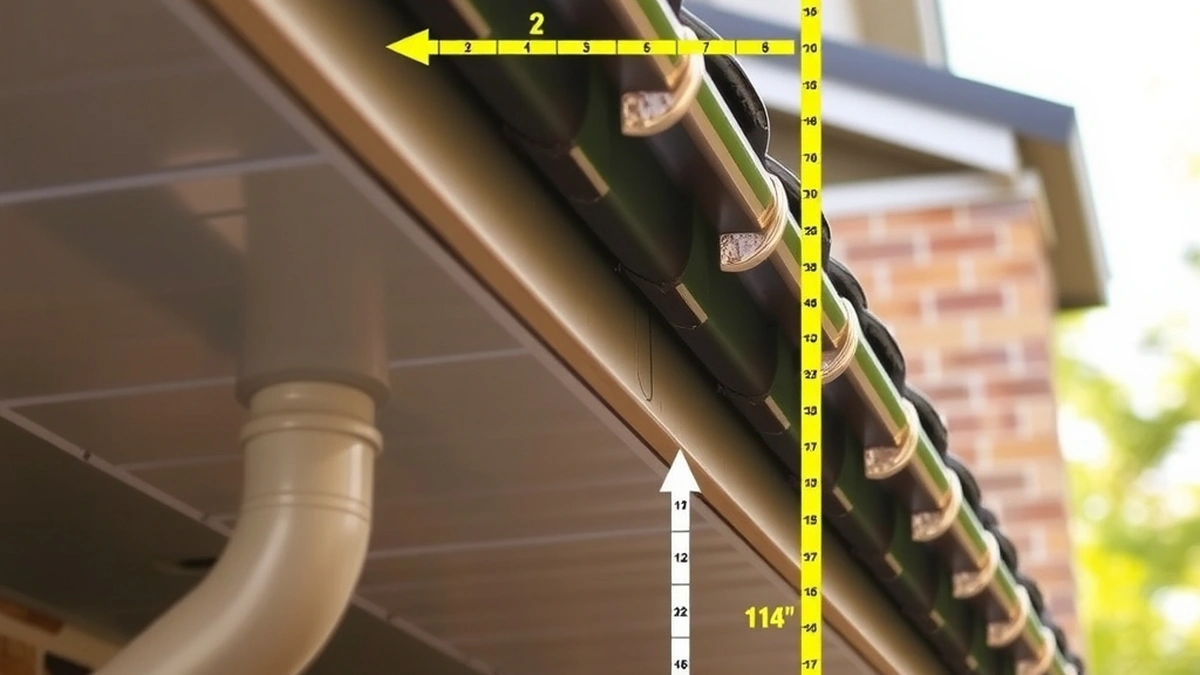
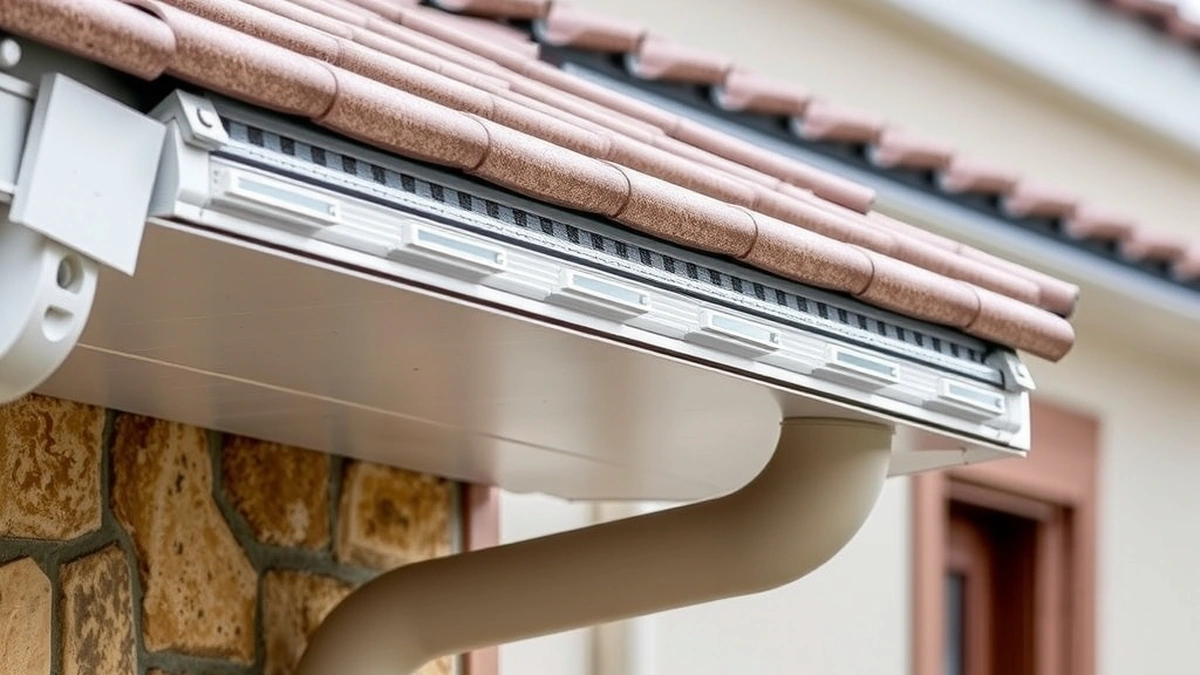
Gutter flashing is the metal that guides water off the roof edge and into the gutter while sealing the joint where the roof covering meets the fascia. It includes the drip edge along the eave, apron flashing where a roof meets a wall, and step flashing where a roof meets a chimney or sidewall.
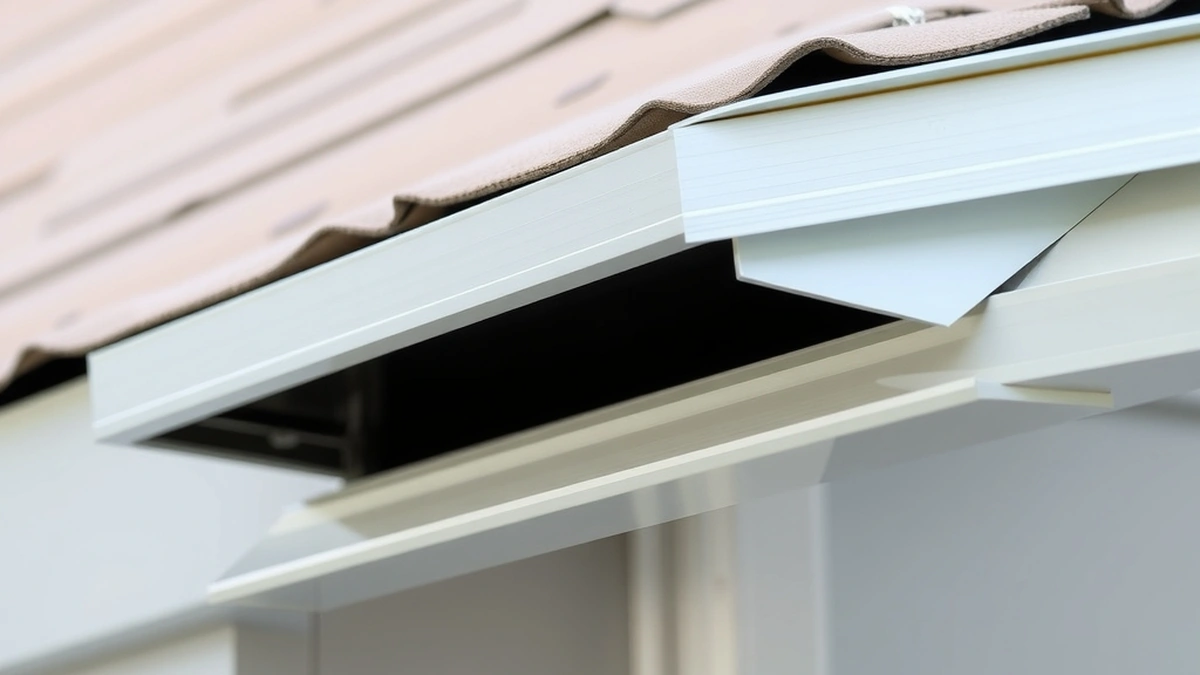
The drip edge is the piece most homeowners mean. It sits under the first course of shingles, runs down over the fascia, and kicks out slightly at the bottom so water drips clear of the wood and into the gutter rather than behind it.
How It Fails
Flashing rarely fails in the middle of a piece. It fails at the edges and the fasteners.
- Sealant beads dry out. Most eave leaks are a cracked bead of sealant, not rusted metal.
- Fasteners back out. Nails into the fascia loosen as the wood expands and contracts.
- Metal lifts at the eave. Ice or a ladder pushed against the edge bends the drip edge away from the fascia.
- Step flashing pulls from the wall. Siding movement opens a gap at the chimney or sidewall.
- Fascia rot. Once the wood behind the flashing is soft, fasteners have nothing to hold.
The last item is why a cheap flashing repair can turn into a bigger job. Sealant over rotten wood will fail within a season.
Repair Cost by Job Type
Figures are estimates for planning on a one-story house with normal access. Two-story work and steep pitches sit at the top of each band.
| Job | Typical cost | What it involves |
|---|---|---|
| Reseal a short section | $150 - $350 | Clean, dry, apply flashing sealant |
| Re-secure loose drip edge | $200 - $450 | New fasteners into sound fascia |
| Replace 10 ft of step flashing | $300 - $700 | Lift shingles, new metal, reseal |
| Renew drip edge, 150 ft | $600 - $1,200 | Remove and replace along the eave |
| Fascia repair, per foot | $6 - $12 | Replace soft wood before flashing |
The arithmetic behind the drip edge line: 150 feet at $4 per foot is $600, and at $8 per foot is $1,200. Step flashing at 10 feet works out to $30 to $70 per foot, which reflects the labor of lifting shingles without damaging them.
Add fascia repair and the number moves. A 40-foot section at $6 to $12 per foot is $240 to $480, on top of the flashing work.
Diagnosing the Leak Before You Pay
The test is simple and costs nothing. On a dry day, run a hose at low flow onto the roof just above the suspected area and watch the gutter from below. Move the hose upslope in stages.
- Water appears on the fascia behind the gutter: flashing or drip edge.
- Water appears at a seam in the gutter run: gutter joint, not flashing.
- Water overflows the front lip: clog, pitch, or downspout capacity.
- Water appears only at the corner: mitre joint or a gap in the guard frame.
- Water appears at the downspout outlet only: outlet connection or buried drain.
That sequence separates four different trades. Paying a roofer for a clogged downspout is a common and avoidable mistake.
Flashing Repair Versus Replacement
A repair is the right call when the metal is sound and the failure is a seal or a fastener. Replacement is the right call when the metal is rusted through, bent away from the wall, or when the fascia behind it is soft enough that fasteners will not hold.
| Situation | Repair | Replace |
|---|---|---|
| Cracked sealant, dry metal | Yes | No |
| Loose nails, sound fascia | Yes | No |
| Surface rust on galvanized | Marginal | Yes |
| Bent drip edge at the eave | Marginal | Yes |
| Soft fascia behind flashing | No | Yes, with fascia work |
| Leak at chimney step flashing | No | Yes |
The distinction is not cosmetic. A reseal on failing metal returns in a season, and the homeowner pays twice.
Doing It Yourself, Safely
Resealing a joint on a one-story eave is a reasonable DIY task. Replacing step flashing is not, because it requires lifting shingles and re-lapping them correctly, and a mistake there creates a roof leak that costs far more than the original repair.
If you do the small job yourself, work from a stable ladder with a helper, never stand on the top two rungs, and keep the ladder clear of the gutter lip. OSHA’s fall-protection rules apply to anyone working above six feet, contractor or not.
Step by Step: What a Proper Repair Looks Like
- Clean the gutter and the flashing edge so the repair surface is dry and free of grit.
- Probe the fascia with a screwdriver; soft wood means the repair starts with carpentry.
- Re-seat the metal and fasten it into solid wood, not into the old holes.
- Apply a flashing-grade sealant in a continuous bead, not a smear.
- Test with a hose at low flow and watch the joint from below for a full minute.
- Recheck after the next heavy rain, since sealant failures show up under real volume.
When to Call a Contractor
Call when the leak is at a chimney or sidewall, when the fascia is soft, when the house is two stories, or when the same joint has been resealed twice. Those four conditions point to work that needs a roofer or a gutter contractor with insurance, not a tube of sealant.
For the cost of the trough itself, see gutter repair cost and gutter installation cost. If the flashing is sound and the problem is overflow, downspout blockage prevention and gutter guard repair cover the drainage side. Before adding any cover, confirm the flashing is watertight, because a guard hides the evidence and not the leak.
Frequently asked questions
What is gutter flashing?
It is the metal that carries water from the roof edge into the gutter and seals the joint where the roof meets the fascia. Drip edge, apron flashing, and step flashing all fall under the term.
How much does gutter flashing repair cost?
Resealing a short section is $150 to $350, replacing about 10 feet of step flashing is $300 to $700, and renewing the drip edge on a 150-foot roofline is $600 to $1,200.
How do I know if the leak is flashing or gutter?
Water running down the fascia behind the gutter points to flashing. Water overflowing the front lip points to a clog, pitch problem, or undersized downspout.
Can I repair flashing myself?
Surface resealing with a proper flashing sealant is a reasonable DIY job on a one-story house. Lifting shingles to replace step flashing is not, because it risks the roof warranty.
Does flashing repair stop ice dams?
It helps at the eave but does not solve the cause. Ice dams come from heat loss through the roof, and the fix is insulation and ventilation, not metal.
How long does flashing last?
Aluminum and galvanized flashing commonly last 20 to 30 years. Sealant beads fail much sooner, often in five to eight years, which is why resealing is a repeat job.
Sources
Some links are affiliate links.If you buy through them we may earn a commission at no extra cost to you. We do not accept payment for rankings. Read the full disclosure.