Downspout blockage: how to prevent it
Downspout blockage: how to prevent it: practical numbers, costs, and trade-offs, written independently.
Downspout blockage: how to prevent it: practical numbers, costs, and trade-offs, written independently. The guide below shows the numbers and the trade-offs.
- Typical range
- Varies by system and site
- First step
- Measure the space and confirm the load
- Professional help
- Recommended for structural or electrical work
Some links on this page are affiliate links.If you buy through them we may earn a commission at no extra cost to you. We do not accept payment for rankings. Read the full disclosure.
Most downspout blockages start in the gutter, not in the pipe. Leaves and grit wash to the outlet, pack into the opening, and the vertical section fills from the top down. Prevention is a matter of keeping the outlet clear, keeping water moving, and getting the discharge away from the wall, and the work is cheap and repetitive.
What Blocks a Downspout
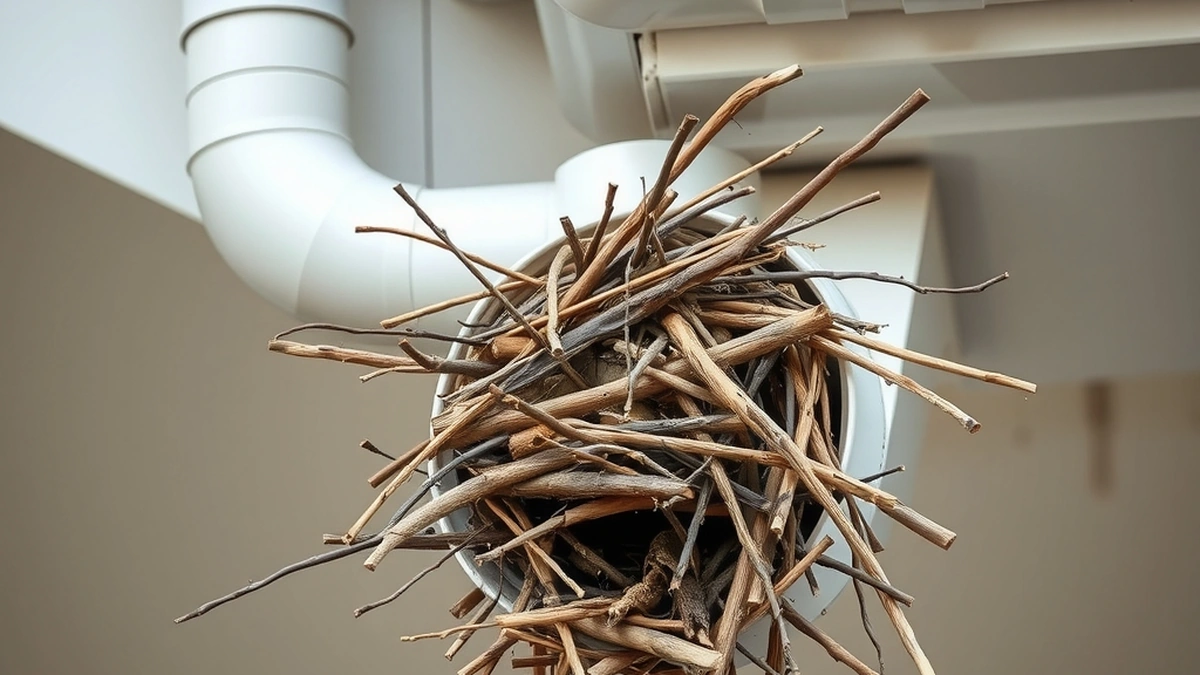
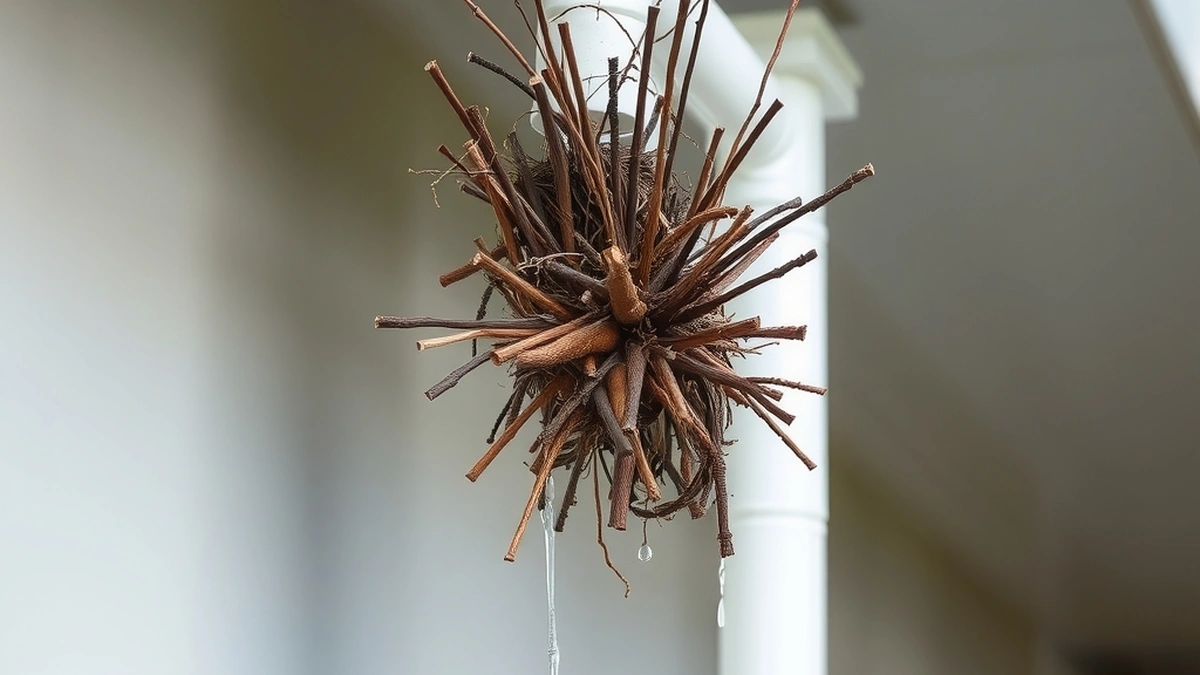
A downspout blockage is any accumulation of debris inside the vertical pipe, at the outlet, or in the transition fitting that slows or stops water leaving the gutter. The common materials are leaf packs, pine needles, shingle grit, roof moss, and in winter, ice.
The mechanism is always the same. Water carries debris downhill along the gutter, and the outlet is the one place where the flow narrows. Anything large enough to bridge the opening stays there, and everything behind it stacks up. Once the outlet is plugged, the gutter fills and overflows at the lowest point, which is usually the corner nearest the foundation.
The Four Blockage Points
| Point | What collects there | How it shows up | First fix |
|---|---|---|---|
| Gutter outlet | Leaf pack, needles | Gutter overflows near the downspout | Clear the outlet by hand |
| Transition fitting | Grit, seed pods | Water runs down the outside of the pipe | Remove and flush the elbow |
| Vertical pipe | Compacted needles, grit | Water backs up the seam, pipe feels heavy | Rod or flush from the top |
| Buried or extended outlet | Soil, roots, crushed pipe | Water pools at the discharge point | Lift the extension, check the outlet |
The fourth point is the one homeowners miss. A downspout discharging into a buried tile can be clear for its full height and still not drain, because the outlet is blocked or the pipe is crushed under a foot of soil. Watch the discharge point during rain before blaming the gutter.
Strainers, Screens, and Guards
There are three levels of prevention, and they are not interchangeable.
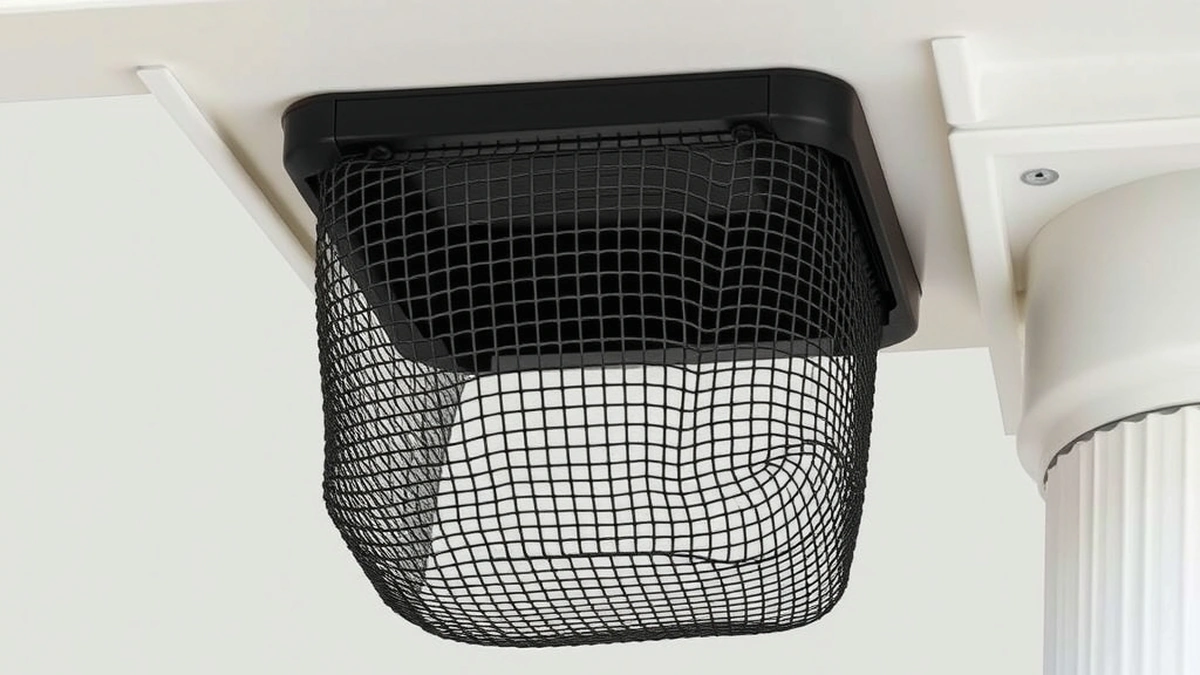
A downspout strainer is a small domed or basket screen that fits over the outlet inside the gutter. It stops leaf packs from entering the pipe and is the cheapest intervention on the list. The trade is that it needs clearing, because it collects exactly what it is meant to stop.
A gutter guard covers the whole run and reduces the debris reaching the outlet. Micro-mesh at $1,800 to $4,500 or reverse-curve at $2,000 to $5,000 is a whole-gutter decision, and it is worth it only if the debris load justifies it.
A screen or insert at $200 to $900 is the middle path. It cuts the volume of large debris without stopping fines, so the outlet still needs checking but the frequency drops.
Strainer versus guard is the comparison to hold in mind: a strainer protects one opening for a few dollars and needs hand clearing; a guard protects the whole run for $200 to $5,000 and needs surface clearing. With a single problematic downspout, the strainer is the right first purchase.
Sizing and Pitch
A downspout has to carry the roof area that drains to it. The working rule is roughly one downspout per 35 feet of run, plus one per roof plane where a valley concentrates flow. A 200-foot run with two outlets carries 100 feet per outlet, more than most 2-by-3-inch pipe will handle in a heavy storm.
Pitch matters as much. A gutter should fall about 1 inch per 10 feet toward the outlet. A level run, or one falling away from the outlet, holds water in the middle and sends debris to the wrong end. Check it with a 4-foot level while the gutter is empty, and correct the hangers rather than adding a guard.
The pipe size is the third variable. A 3-by-4-inch downspout carries roughly twice the cross-section of a 2-by-3-inch pipe, which is the standard upgrade when a long run overflows even after it has been cleared.
The Seasonal Routine
- Clear the gutter outlets by hand in late fall, after the leaves are down, and again in early spring.
- Lift each strainer, empty it, and set it back flat over the opening.
- Flush each downspout from the top with a hose and confirm water exits at the bottom rather than at a seam.
- Watch the discharge point while the water runs. Pooling or a weak flow means the outlet or the buried section is blocked.
- Check the pitch with a level on the empty gutter, and note any ponding for repair.
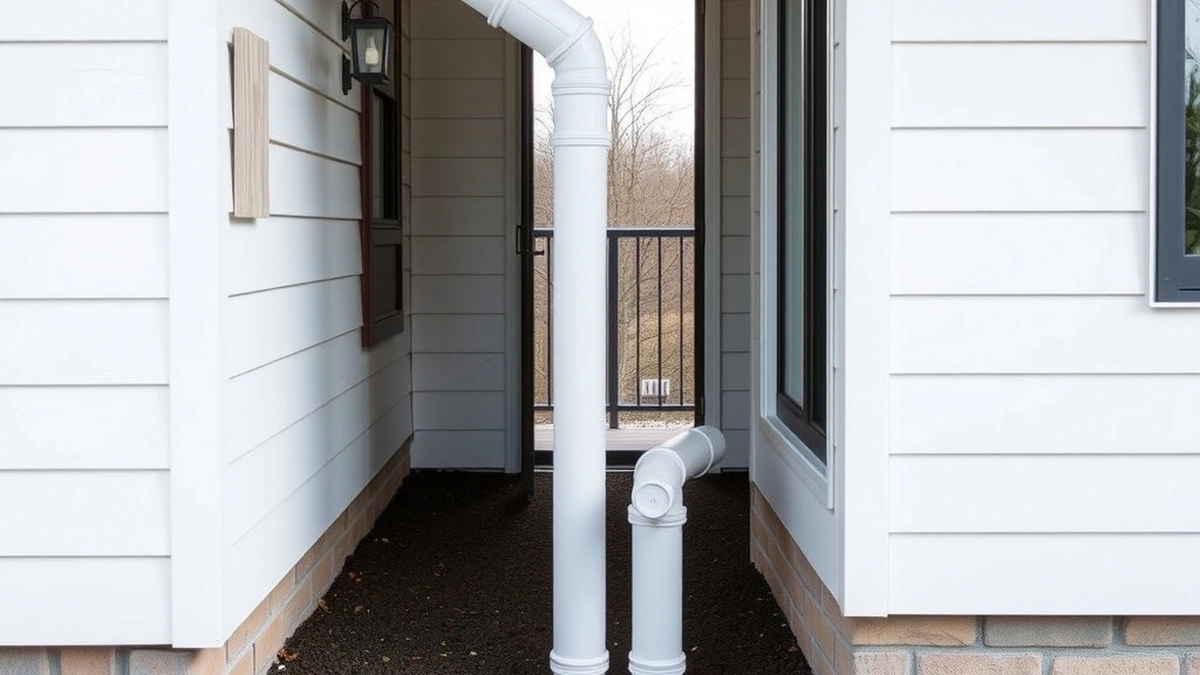
- Confirm the discharge lands at least 4 to 6 feet from the foundation, on a splash block or an extension.
That is a two-hour job on a typical house, and it is the whole prevention program. A professional cleaning at $150 to $400 buys the same work if you would rather not climb.
What a Blockage Costs
The arithmetic is short. A cleaning visit at $150 to $400 is the cheap outcome. The expensive one is water against the foundation, which shows up as a wet basement wall or settled soil, and repairs start in the hundreds.
Compare the prevention cost. A strainer for each outlet is a hardware-store item and the annual routine is your own time. A guard at $1,800 to $4,500 does not remove the routine; it reduces how often the routine includes a full scoop of the trough.
The one number that should decide the guard question is cleaning frequency. If you are paying for two visits a year at $300 to $800 annually, a $2,000 system needs to cut that by about half for roughly five years to break even. If you are paying for one visit, it does not.
When the Problem Is the Gutter, Not the Downspout
Some blockages are symptoms. If the same outlet plugs every season, look at the gutter first. A backfall sends debris to one end, a sagging hanger creates a low spot that collects grit, and a missing end cap lets debris in from the side.
Fix those first, because a guard fitted over a gutter that does not drain properly will hide the problem rather than solve it. The repair costs are set out in gutter repair cost, and the guard options are compared in gutter guard vs gutter cleaning. For the discharge side of the job, see downspout installation cost.
Bottom Line
Preventing a downspout blockage is mostly a routine: clear the outlets after leaf drop, flush the pipes, check the discharge point, and confirm the gutter still falls toward the outlet. Add a strainer to every outlet for a few dollars, and add a guard only if the cleaning frequency justifies $200 to $4,500. The pipe is rarely the problem; the outlet and the pitch usually are.
Frequently asked questions
What is the most important measurement?
Start with the ceiling or clearance number; it decides which systems can fit.
What does a typical project cost?
Costs vary by system and site access; the guide shows the line items and a planning range.
Can I install this myself?
Some tasks are DIY-friendly, but structural, electrical, and load-bearing work should be done by a licensed professional.
How long does installation take?
A simple setup is a weekend; a full build with electrical or structural work can take several weeks.
What should I check before buying?
Confirm dimensions, load ratings, and the manufacturer's installation requirements for your exact model.
Where can I find local help?
Ask a licensed contractor or installer who has worked with the same system and can inspect your site.
Sources
Some links are affiliate links.If you buy through them we may earn a commission at no extra cost to you. We do not accept payment for rankings. Read the full disclosure.